Bell Bay Aluminium faces uncertain future amid stalled power deal and subsidy debate
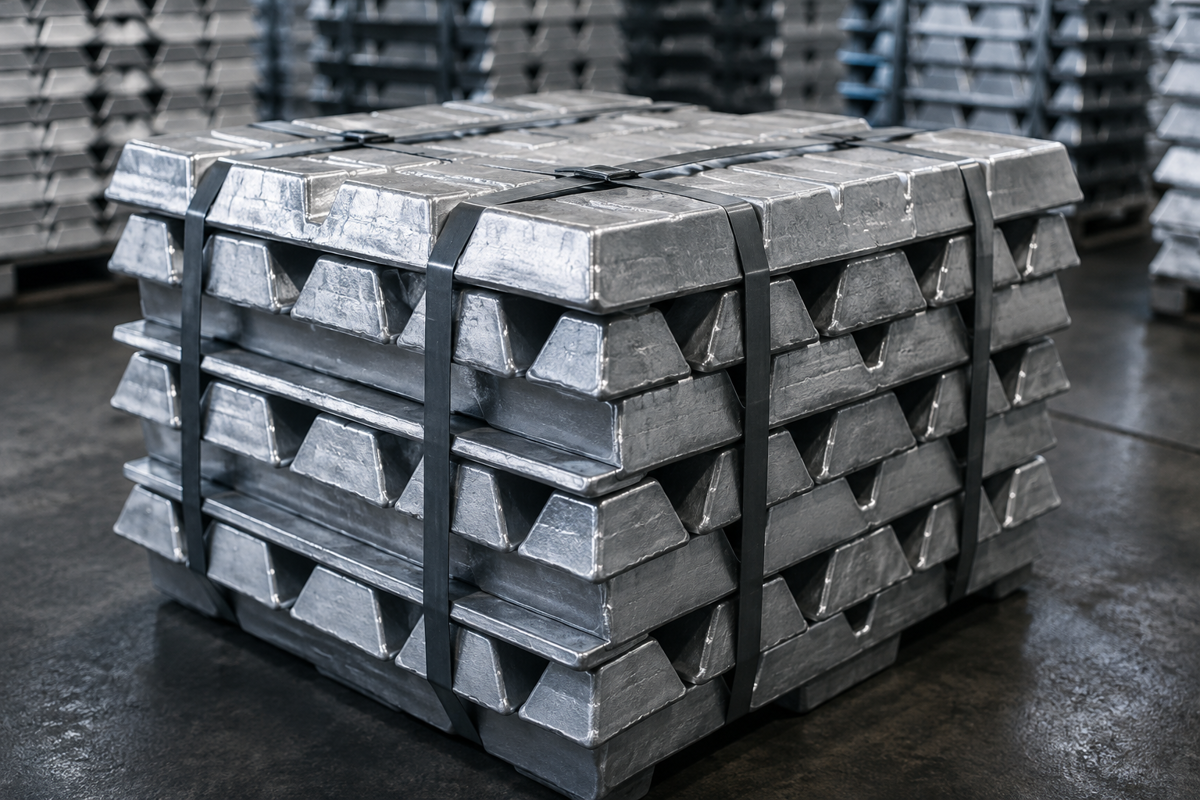
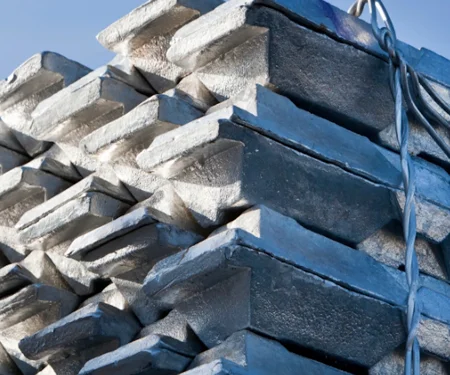
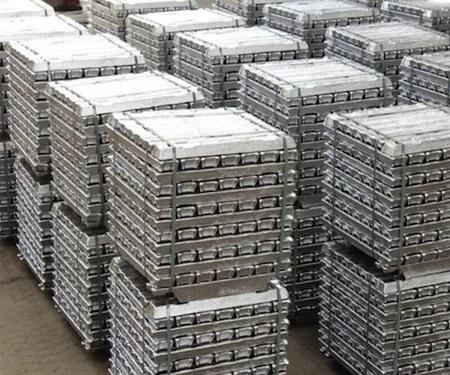
The image used in this article is generated with an AI tool and does not depict any real-time moment
The Rio Tinto-owned aluminium smelter is still negotiating a new power supply agreement with state-owned Hydro Tasmania. The current agreement expires on December 31, and industry sources indicate Rio Tinto has set the end of August as the deadline to reach a new deal before considering closure of the facility.
The uncertainty comes shortly after the closure of the Liberty Bell Bay manganese smelter, raising concerns about the future of heavy industry in northern Tasmania.
Bell Bay Aluminium consumes around 355 megawatts of electricity, accounting for approximately 25 per cent of Tasmania's total power demand. Beyond its role as a major aluminium producer, the smelter also helps maintain stability in the state's electricity network by adjusting its power consumption under the System Protection Scheme (SPS), which supports grid reliability during periods of fluctuating demand.
To know the production, demand and consumption forecasts on bauxite and alumina, explore the report "Global Bauxite & Alumina Market Forecast to 2036: Supply–Demand, Trade Flows & Price Outlook"
Smelter underpins Tasmania's power network
Energy analyst Marc White said the closure of Bell Bay Aluminium could have consequences beyond the loss of industrial production. He estimated the smelter contributes around USD 25 million annually in transmission network charges. If the plant shuts down, those costs could be redistributed among remaining electricity users under the current regulatory framework, potentially increasing household electricity bills by about 2 per cent.
TasNetworks interim chief executive Renee Anderson did not confirm the figure but acknowledged that the company would assess the impact if the smelter closed. She said the utility would review whether changes to network infrastructure or operating arrangements would be required.
"There are a lot of things that could trigger changes or investment in our infrastructure, including at George Town, so we would just follow our regulatory processes depending on what that trigger was,” Anderson said.
White also suggested that the loss of Bell Bay Aluminium's flexible electricity load could trigger additional investment in the state's transmission network. He said, "TasNetworks might actually trigger another USD 120 million investment in the George Town substation because they no longer have that System Protection Scheme load available from Bell Bay Aluminium." TasNetworks said no decision had been made and that any investment would depend on future operational requirements.
Explore primary aluminium suppliers, product listings and trade opportunities on AL Biz
Economic stakes
Economist Saul Eslake said the public should weigh the cost of supplying electricity to major industrial users at below-market prices. "The public ought to be able to make an informed judgement as to whether the cost in terms of revenue foregone, of delivering electricity at below market prices to big users, is worth it," Mr Eslake said.
While the closure of the smelter would reduce industrial electricity demand, it could also create an opportunity for Hydro Tasmania. According to White, electricity currently supplied to Bell Bay Aluminium could potentially be sold through new commercial contracts or into the wholesale market at two to three times the price currently paid by major industrial customers.
The development is particularly significant for the aluminium industry because electricity is the single largest operating cost in aluminium smelting. Bell Bay Aluminium has historically benefited from long-term concessional power contracts, paying around one-quarter of residential electricity prices and roughly half the rates offered to mainland Australian smelters, according to Tasmania's Industry Minister Felix Ellis.
The smelter remains an important contributor to Tasmania's economy, employing more than 500 workers directly, supporting another 120 contractors, and contributing more than USD 500 million annually to the state economy.
Unlock key insights from leading companies and experts across the aluminium ecosystem with our e-Magazine: ALuminium LeaderSpeak 2026
Negotiations between Rio Tinto and Hydro Tasmania remain unresolved. Hydro Tasmania says it has reduced its offer as far as commercially possible, while Rio Tinto continues to seek lower power prices. The Tasmanian government has urged the federal government to extend its Green Aluminium Production Credit scheme to Bell Bay, while federal representatives argue the programme was designed primarily to help coal-powered smelters transition to renewable energy rather than facilities already powered by hydroelectricity.
For now, the future of Bell Bay Aluminium remains undecided, with negotiations continuing and no indication yet of whether a long-term power agreement will be reached before Rio Tinto's reported deadline.
EGA marks graduation of second UAE National class from Technical Leadership programme in Switzerland
Next articleDigital visibility for aluminium is a must: Getting found is as crucial as getting produced
Grow with
AL Circle