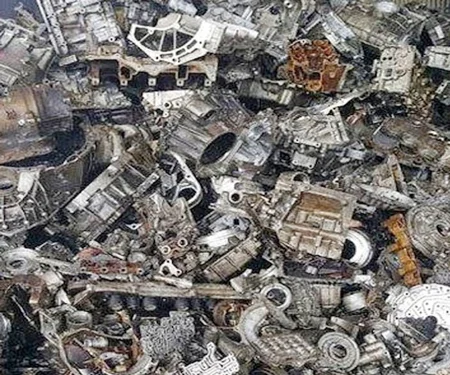
Belgium’s aluminium scraps export to grow this year after a dip in 2017; Germany to remain the top importer

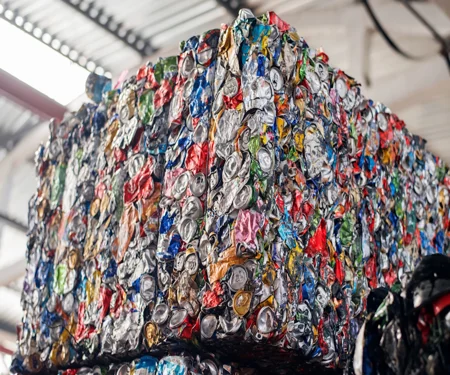
With the passage of time, recycling is becoming a major consideration in continued aluminium use, representing one of the key attributes of this ubiquitous metal, with far-reaching economic, ecological and social implications. More than half of all the aluminium currently produced in the European Union originates from recycled raw materials and that trend is on the increase.
{newsStudioGallery}
Having said that, Belgium, which is primarily characterised by the presence of one of the largest glass industries in the world also boasts a large number of aluminium fabrication industries and aluminium scrap shredders. While Reynaers Aluminium is one of the European leaders specialized in the aluminium durable solutions development, UNTHA Shredding Technology, Persona AB, HSM GmbH + Co. KG, and NWP are some of the major Belgian aluminium scrap companies.
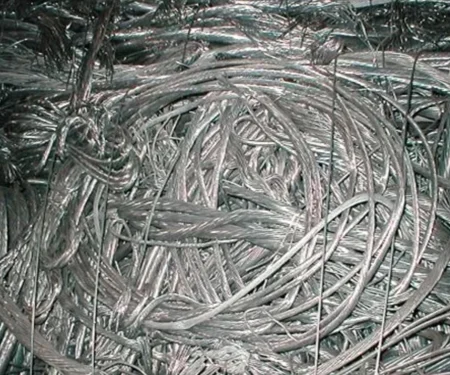
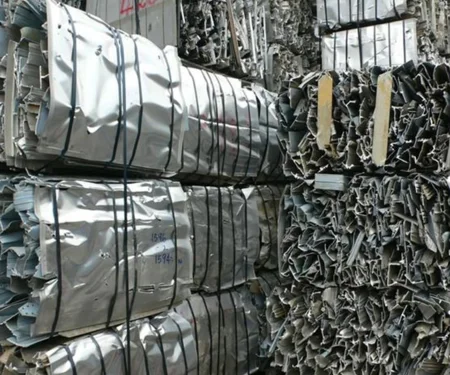
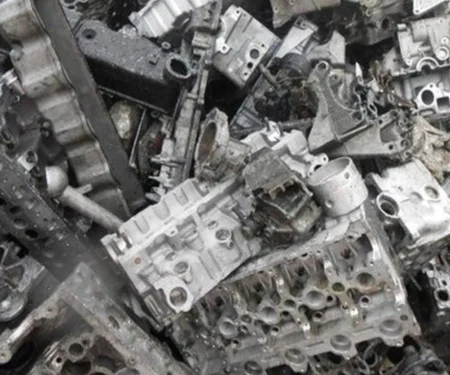
The global export-import data predicts that aluminium scrap export from Belgium would grow this year to 258,961 tonnes, in contrast to 253, 113 tonnes in 2017. Hence, the export volume is estimated to surge in 2018 by 2.31 per cent from 2017. In 2016, the volume was however, a little higher than that of 2017 registering at 255,357 tonnes in total; but 1.41 per cent lower than the predicted volume of 2018.
As a logical consequence, Belgium’s aluminium scrap export value is also forecast to grow in 2018 from US$ 292 million in 2017 to US$ 780 million, up 167 per cent. This sweeping rise in revenue could be because of the increased aluminium scrap price owing to the growth in demand and application. In 2016, Belgium’s revenue from aluminium scrap was at US$ 300 million, 2.6 per cent down from 2017 but 160 per cent up from 2018.


Last year, Germany was the top importer of aluminium scrap from Belgium securing 54,988 tonnes in total, according to the estimated data, followed by the Netherlands (38550 tonnes), China (31770 tonnes), France (28562 tonnes), and Italy (20960 tonnes). In 2018, Germany is expected to remain the top importer from Belgium and with a great import volume of 47165 tonnes. The Netherlands to be the second largest importer, followed by France (30890 tonnes), Italy (24592), and China (23776 tonnes).
Mpact starts trial run for manufacturing construction boards from recycled aluminium and plastic
Next articleSTEINERT starts operation of LIBS system for sorting aluminium scrap
Grow with
AL Circle