Azerbaijan’s construction sector could benefit from low-carbon aluminium, says RUSAL official

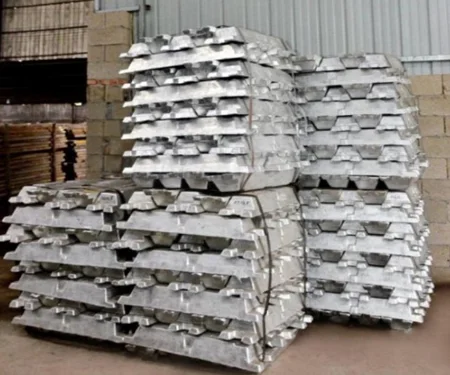
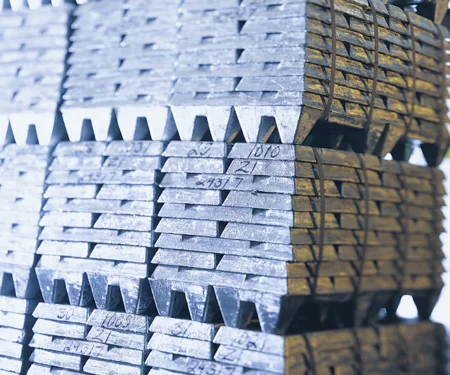
Stock image for referential purposes only
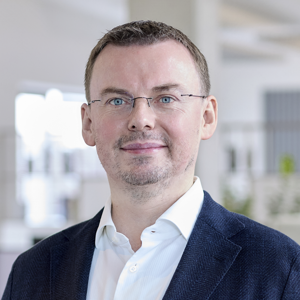
Low-carbon aluminium could help enhance efficiency and reduce carbon emissions from construction in Azerbaijan, according to Alexey Spirin. Spirin told the media that adding low-carbon and recycled aluminium to new construction projects could reduce total lifecycle costs and help the country lower its carbon emissions.
Spirin highlighted aluminium’s growing importance in global construction and municipal infrastructure, citing its durability, lightweight properties, and sustainability benefits. “This material simultaneously mitigates climate impacts and delivers superior economic feasibility over long-term operations,” he noted.
RUSAL, a leading low-carbon aluminium producer, has been advancing such efforts through its ALLOW brand, which produces over 3 million tonnes of aluminium using Siberian hydropower.
ALLOW records carbon emissions of just 5.9 tCO2e per tonne, significantly below the global industry average. The company also provides certified and traceable emissions data while supporting greener supply chains through recycling initiatives and advanced smelting technologies.
Discover how leading aluminium companies are driving the next phase of the sustainability transition from our e-Magazine, “Sustainability & Recycling: Aluminium’s Dual Commitment.”
Furthermore, Spirin noted that aluminium is recyclable infinitely when buildings are decommissioned; hence, it is a material suitable for circular constructions. Spirin continued by noting that buildings with aluminium structures could last up to 80 years before any need for maintenance or repairs arises.
Also, Spirin reiterated that sustainable manufacturing processes would go a long way in helping achieve smarter, resilient, and economically efficient urban infrastructures. During his discussions on the World Urban Forum (WUF13) held in Baku, Spirin noted that the forum was significant in aligning urban priorities and climate change goals.

Vedanta Aluminium strengthens safety and quality culture through Jharsuguda industry workshop
Next articleASI certifies Reynaers Aluminium NV against Performance Standard V3.1
Grow with
AL Circle