Azelio bags a new supply contract in North Africa

The Swedish company Azelio will install 20 units for the storage of electricity produced from solar photovoltaic systems in Egypt, as it has received the order from the Egyptian company Engazaat Development S.A.E. It is a part of a project to develop ecological agriculture in Egypt.
The renewable energy technology-driven company will deliver 20 storage units for electricity generated from renewable sources for a price of $1.5 million. The contract is with the Egyptian company Engazaat Development, which specialises in the development, implementation and management of infrastructure systems in the water, technology and renewable energy sectors.
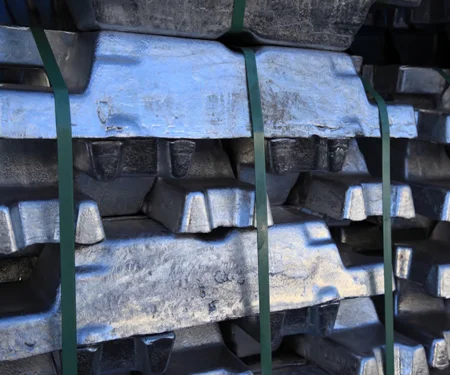
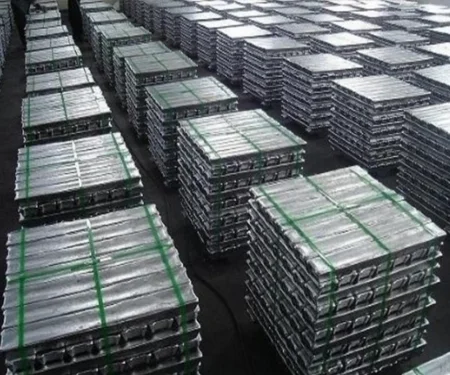
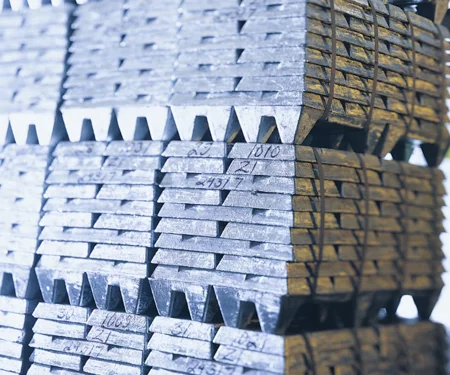
Azelio aspires to install its ES.POD® units at the project site. It is a system that stores renewable energy in recycled aluminium and provides electricity and heat on demand.
Azelio stated: “The order was placed subject to the conditions of an ongoing technical and economic feasibility study for this specific project, based on an agreed business configuration and permits obtained.”
In northern Egypt, the storage systems will be installed as part of a sustainable agro-village and SAVE entrepreneurship platform project in the Moghra oasis in the governorate of Marsa-Matruh. The oasis involves a small lake of 4 km² containing brackish water, salt marshes and reeds. The Engazaat Development S.A.E. project, in which Azelio is incorporated, will empower the installation of mini-grids powered by solar photovoltaic.
Furthermore, the storage facility will allow the mini-grids to power the agricultural facilities after sunset. The solar panels installed in the oasis will have a total capacity of 260 kWp. Azelio evaluated that these installations will allow farmers to gain 85% of their energy from renewable sources. Azelio and Engazaat Development S.A.E will collaborate to deploy their technologies.

Muhammad El Demerdash, Managing Director, Engazaat said: “Together, we believe that we will be able to decipher the energy supply formula needed to produce food and water in an ecologically and economically sustainable manner. The solar power generation and storage systems will reduce diesel consumption on farms by 232 m3 per year, reducing emissions by 603 tonnes of CO2 equivalent over the same period.”
Germany’s export of Aluminium cans to top 5 countries in 2020
Next articleAluminium End-user Weekly Recap: RUSAL enhances alloy composition for anodized aluminium facade panels; Mulk Holdings partners with Park International Investments, Silver Heights Real Estate to establish Alubond USA LLC
Grow with
AL Circle