An abundant global alumina market likely to put pressure on aluminium prices in 2019
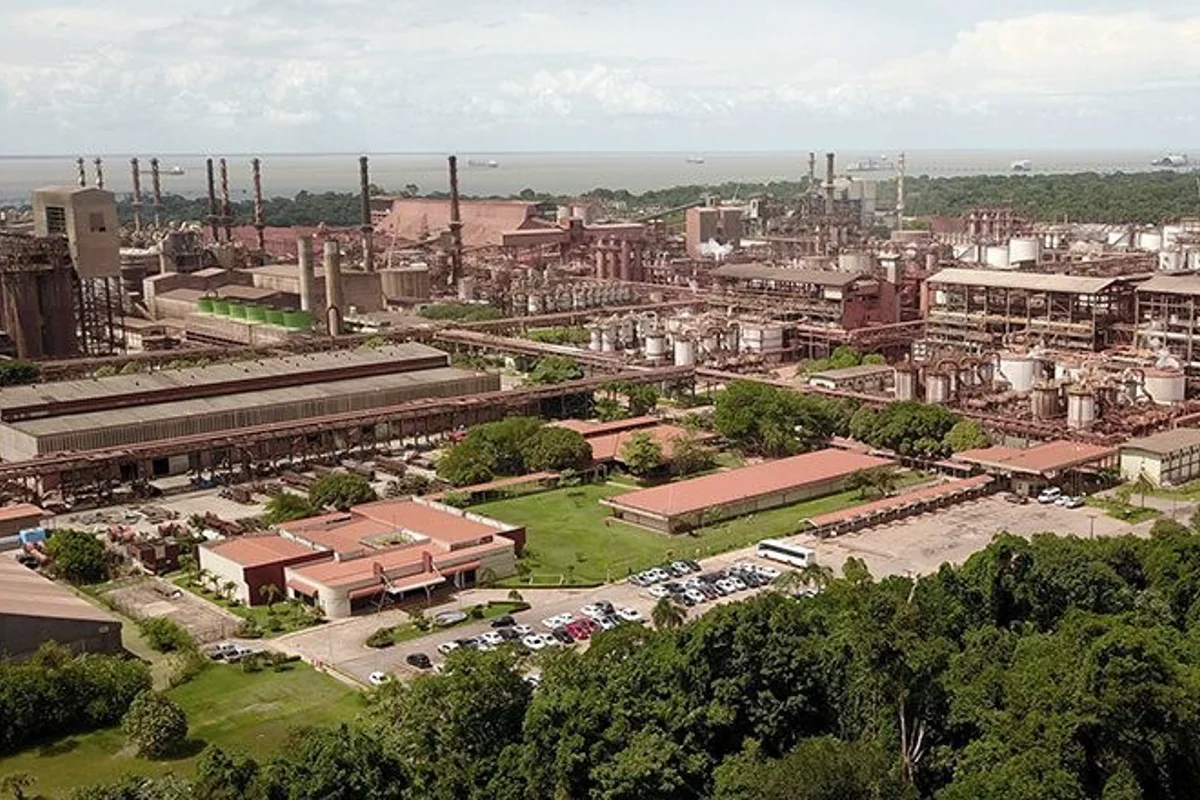
Norsk Hydro’s Alunorte refinery in Brazil with a production capacity of 6.3 million tonne has been given approval to restart production by the Brazilian authorities. Though it was expected by the market, the move came earlier than time taking the industry by surprise.
A Brazilian federal court has lifted the production embargo on Hydro Alunorte alumina refinery under the criminal lawsuit on Monday, May 20, allowing Alunorte to resume full production. The embargo on the new, state-of-art bauxite residue disposal area (DRS2) remains in force.
The restart is a boost for Hydro, whose Brazilian operations was impacted in the first quarter of 2019 due to production cut in Alunorte and also in the aluminium smelter Albras.
According to The Financial Times Alunorte’s production would reach 75-85% of its 6.3 million ton capacity within July, adding some 2 million tons per annum to the global alumina market.
“Production at Hydro’s Paragominas bauxite mine will be increased in line with the ramp-up speed at Alunorte,” the company is quoted as saying. “A decision to increase production at Hydro’s part-owned Albras primary aluminium plant is also expected shortly.”

Alumina prices were lifted by Alunorte’s slowdown and further buoyed by environmental pressure on refineries in China. A major refinery in Shanxi province was recently given closure notice following spillage of red mud waste. However, China continues to export alumina and more alumina capacities are likely to come online this year. EGA’s Al Taweelah alumina refinery, which has started production in April, is expected to produce two million tonnes of alumina per year after the complete ramp up. The refinery is expected to produce about 700,000 tonnes of alumina in 2019.
The Alpart Alumina refinery in Jamaica, India Vedanta’s Lanjigarh refinery and Friguia refinery in Guinea are other refineries that are going to add to alumina capacity in 2019. An abundant alumina market will take away the cost support from aluminium price.
As for aluminium production is concerned the total aluminium production in the first four months of 2019 stood at about 21 million tonnes. Excluding China, global production stood at 9 million tonnes. Though the volume remains almost flat over the same period of last year, ex-China aluminium production is expected to increase by about 4 million tonnes in 2019 with new capacity coming online. The extra supply is going to put prices under pressure in 2019.
China’s alumina import to rise in coming months on tight local supply due to Xinfa refinery shutdown
Next articleAlumina price drops for second consecutive day; A00 aluminium ingot price declines in major China markets
Grow with
AL Circle