11 JULY 2012The Australian
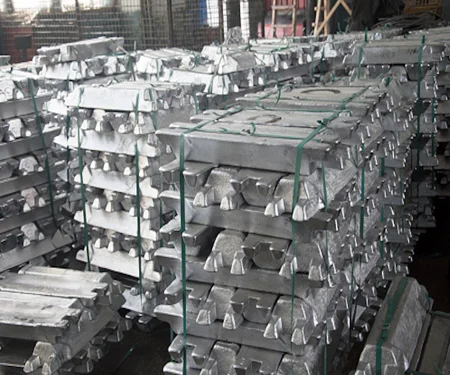
Ample Aluminium inventory responsible for low aluminium price
Edited by : AL CIRCLE
3 min read

AS METAL markets enjoyed a once-in-a-generation party over the past decade, aluminium was the proverbial wallflower.
At most, its price rose 143 per cent, and it now sits 38 per cent above where it stood 10 years ago. Compare that to copper, which peaked with a gain of more than 500 per cent and is still up by 357 per cent.
Global demand for aluminium is strong: It rose 10 per cent last year, says Alcoa, which reported quarterly results Monday. Problem is, unlike copper, where resources are genuinely constrained, aluminium's raw materials are relatively abundant. As Michael Widmer at BofA Merrill Lynch puts it, aluminium is "capital driven", with supply more a function of financing a smelter and energy costs.
That is precisely what has happened in China. This year, Alcoa expects China to open a net 1.4 million tonnes of capacity. Globally, the company expects demand growth of 7 per cent to outpace net additions of capacity, leaving a supply deficit of 515,000 tonnes.
But that seemingly bullish number amounts to just 1.1 per cent of projected demand. The ex-China portion of it equates to just 0.6 per cent. That is a small peg to hang your hat on in this market.
Intended closures aren't the same as actual ones. In January, Alcoa announced plans to close 531,000 tonnes per annum of capacity by the end of June, but some is now set to close by the end of 2012.
Meanwhile, Paul Adkins, managing director of Beijing-based consultancy AZ China, points out that some high-cost smelters in China are receiving subsidised power from local authorities keen to prevent job losses. China isn't the only culprit: Alcoa's Point Henry plant in Australia just got a government grant to keep it open.
Mr Adkins also highlights an uptick this year in Chinese exports of semi-finished aluminium products. While lower than the spike seen in mid-2011, the increase is worrying in the context of signs of slowing domestic demand in China, as evidenced by yesterday's release of import data for June.
One bullish sign has been a recent rise in the premiums customers pay to have aluminium delivered from exchange warehouses. This indicates tighter physical supply.
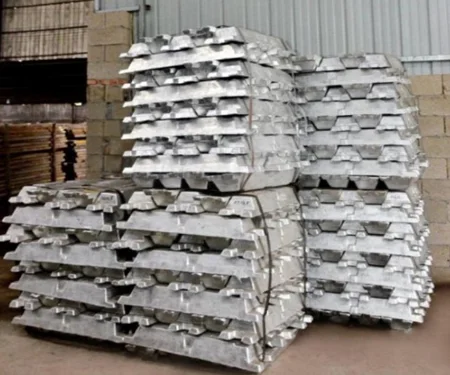
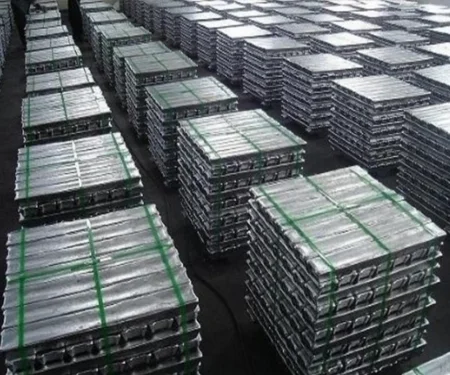
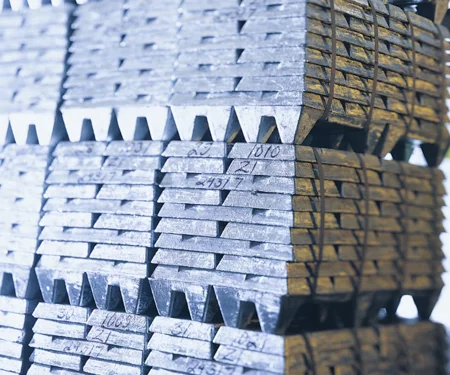
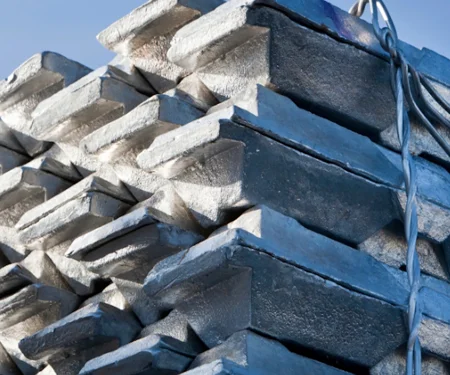
But that is partly artificial. Mr Widmer points out that a lot of metal exchange aluminium inventory is tied up by speculators using cheap finance to hold physical inventory and sell it forward at a profit. London Metal Exchange warehouse practices also present potential bottlenecks. For example, Mr Widmer calculates that clearing all aluminium from LME warehouses in Detroit could in theory take more than a year under current rules.
Potential changes to LME rules now it is being sold or a sudden increase in aluminium prices could incentivise warehouse owners to unblock these bottlenecks. But aluminium inventory, like the world's excess smelters, remains an overhang that will likely serve to cap rallies.
At most, its price rose 143 per cent, and it now sits 38 per cent above where it stood 10 years ago. Compare that to copper, which peaked with a gain of more than 500 per cent and is still up by 357 per cent.
Global demand for aluminium is strong: It rose 10 per cent last year, says Alcoa, which reported quarterly results Monday. Problem is, unlike copper, where resources are genuinely constrained, aluminium's raw materials are relatively abundant. As Michael Widmer at BofA Merrill Lynch puts it, aluminium is "capital driven", with supply more a function of financing a smelter and energy costs.
That is precisely what has happened in China. This year, Alcoa expects China to open a net 1.4 million tonnes of capacity. Globally, the company expects demand growth of 7 per cent to outpace net additions of capacity, leaving a supply deficit of 515,000 tonnes.
But that seemingly bullish number amounts to just 1.1 per cent of projected demand. The ex-China portion of it equates to just 0.6 per cent. That is a small peg to hang your hat on in this market.
Intended closures aren't the same as actual ones. In January, Alcoa announced plans to close 531,000 tonnes per annum of capacity by the end of June, but some is now set to close by the end of 2012.
Meanwhile, Paul Adkins, managing director of Beijing-based consultancy AZ China, points out that some high-cost smelters in China are receiving subsidised power from local authorities keen to prevent job losses. China isn't the only culprit: Alcoa's Point Henry plant in Australia just got a government grant to keep it open.
Mr Adkins also highlights an uptick this year in Chinese exports of semi-finished aluminium products. While lower than the spike seen in mid-2011, the increase is worrying in the context of signs of slowing domestic demand in China, as evidenced by yesterday's release of import data for June.
One bullish sign has been a recent rise in the premiums customers pay to have aluminium delivered from exchange warehouses. This indicates tighter physical supply.
But that is partly artificial. Mr Widmer points out that a lot of metal exchange aluminium inventory is tied up by speculators using cheap finance to hold physical inventory and sell it forward at a profit. London Metal Exchange warehouse practices also present potential bottlenecks. For example, Mr Widmer calculates that clearing all aluminium from LME warehouses in Detroit could in theory take more than a year under current rules.
Potential changes to LME rules now it is being sold or a sudden increase in aluminium prices could incentivise warehouse owners to unblock these bottlenecks. But aluminium inventory, like the world's excess smelters, remains an overhang that will likely serve to cap rallies.
Previous article
Chinese and Indian Aluminum Prices up on Daily Metal Price Index
Next articleDUBAL's energy conservation efforts yields positive result
Grow with
AL Circle