Strait of Hormuz closure also questions the viability of primary aluminium production in the Middle East and here's why
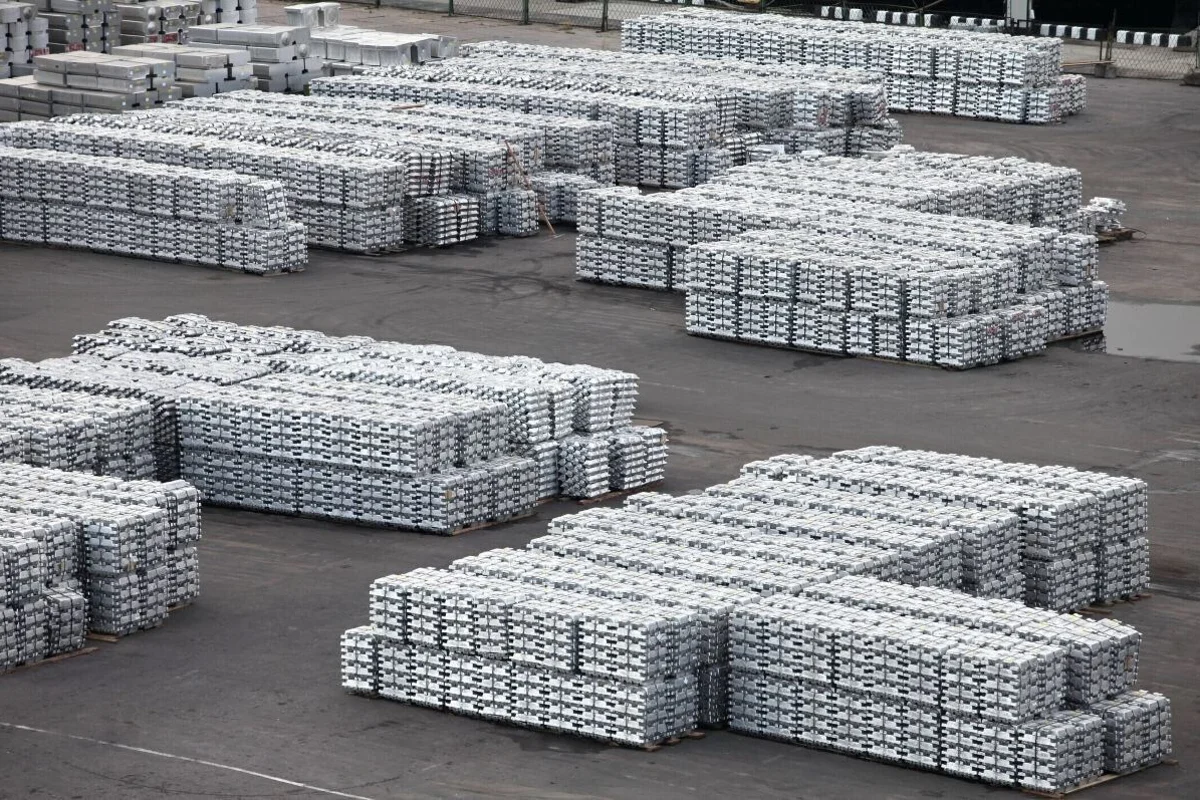
The closure of the Strait of Hormuz has been causing concerns for primary aluminium supply around the world. At the same time, it is also raising questions about the supply of raw materials to the Middle East, a region heavily dependent on imported primary aluminium raw materials, many of which pass through the Strait of Hormuz.
Situation intensified after Iran closed the Strait of Hormuz, one of the world’s most critical maritime shipping routes linking the Persian Gulf with the Gulf of Oman and the Arabian Sea.
For the Middle East’s aluminium industry, the closure raises a pressing question: how resilient is a major aluminium-producing region that depends heavily on imported raw materials? While the region accounts for roughly 8–9 per cent of global aluminium output, its smelters rely largely on overseas shipments of bauxite and alumina-the two key inputs required to produce aluminium.
Unlock full access – sign up for FREE.
Key benefits
MYSTEEL: Middle East disruptions may lift China's alumina supply
Next articleWomen take up core operations at Vedanta Aluminium’s Lanjigarh alumina refinery
Grow with
AL Circle