22 DECEMBER 2013futures.tradingcharts.com
Aluminum Manufacturing in Canada Industry Market Research Report from IBISWorld Has Been Updated
Edited by : AL CIRCLE
3 min read

The Aluminum Manufacturing industry fought through tough economic conditions the past five years. The onslaught of the Great Recession caused demand from the industry's major industrial manufacturing and construction markets to plummet, particularly car and automobile manufacturers and aluminum-based packaging product producers. In addition, demand from the United States, the industry's largest trading partner, fell heavily as US industrial production and construction activity declined. As a result of these factors, industry revenue fell over the past five years, which includes a slight drop in 2013 alone.
Tough demand conditions were coupled with extreme volatility in the price of aluminum. Overall, the world price of aluminum fell from 2008 to 2013. However, individual year-to-year growth fluctuated dramatically. For example, in 2009, aluminum prices plummeted before climbing again the following year. The one-two punch of lower demand and volatile input costs put downward pressure on profit margins, which fell consistently from 2008 to 2013. Lower revenue and profit also spurred cost-cutting maneuvers, including employee layoffs and the closure of manufacturing facilities. In addition to the economic downturn, increasing automation in the production process has also resulted in a smaller workforce, with machines and equipment increasingly performing functions previously carried out by workers.
The Aluminum Manufacturing industry has a low-to-moderate level of market share concentration, with the top three operators (which includes Novelis Inc. and Rio Tinto Alcan Inc.) and expected to account for more than 20.0% of revenue in 2013 (see IBISWorld report 33131CA for major player market shares). Over the past five years, market share concentration has fluctuated due to the economic downturn, which spurred merger and acquisition activity and forced a number of smaller companies out of business. While large-scale manufacturers do exist, many other operators are small-scale producers serving local and regional markets. This demonstrates that the industry is somewhat fragmented and highly competitive.
According to IBISWorld Industry Analyst Sean Windle, "Despite recent challenges, the industry is poised for strong growth over the next five years," and from 2013 to 2018, revenue is forecast to increase. This is because "increasing demand from downstream manufacturing and building industries, especially demand from car and automobile manufacturers, will fuel this growth," says Windle. As US and Canadian governments increase vehicle fuel and emissions standards, aluminum will continue to replace steel as the metal of choice for car bodies and frames thanks to its light weight.
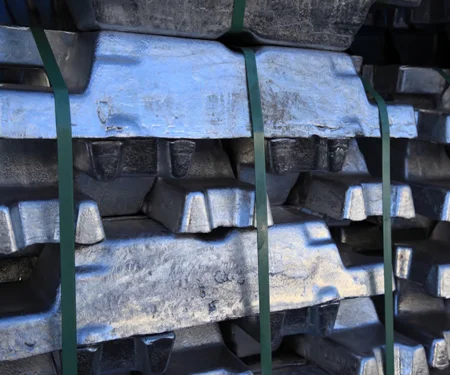
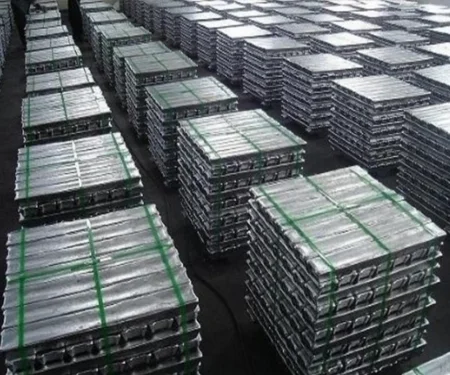
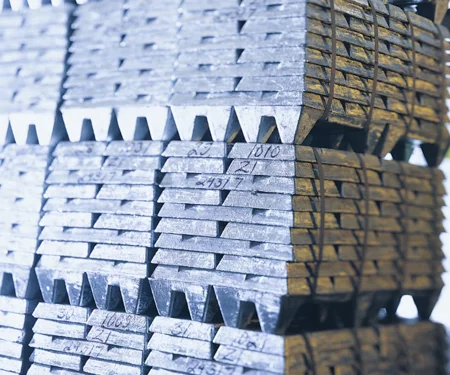
IBISWorld industry Report Key Topics The Aluminum Manufacturing industry converts or aids in the conversion of the aluminum-bearing ore bauxite into products like alumina (a semirefined aluminum product), aluminum ingots and rolled or drawn aluminum products (such as plate, sheet, foil and extrusions). The industry also includes operators that recover aluminum from scrap.
Industry Performance Executive Summary Key External Drivers Current Performance Industry Outlook Industry Life Cycle Products & Markets Supply Chain Products & Services Major Markets Globalization & Trade Business Locations Competitive Landscape Market Share Concentration Key Success Factors Cost Structure Benchmarks Barriers to Entry Major Companies Operating Conditions Capital Intensity Key Statistics Industry Data Annual Change Key Ratios
About IBISWorld Inc. Recognized as the nation's most trusted independent source of industry and market research, IBISWorld offers a comprehensive database of unique information and analysis on every US and Canadian industry. With an extensive online portfolio, valued for its depth and scope, the company equips clients with the insight necessary to make better business decisions. Headquartered in Los Angeles, IBISWorld serves a range of business, professional service and government organizations through more than 10 locations worldwide.
Tough demand conditions were coupled with extreme volatility in the price of aluminum. Overall, the world price of aluminum fell from 2008 to 2013. However, individual year-to-year growth fluctuated dramatically. For example, in 2009, aluminum prices plummeted before climbing again the following year. The one-two punch of lower demand and volatile input costs put downward pressure on profit margins, which fell consistently from 2008 to 2013. Lower revenue and profit also spurred cost-cutting maneuvers, including employee layoffs and the closure of manufacturing facilities. In addition to the economic downturn, increasing automation in the production process has also resulted in a smaller workforce, with machines and equipment increasingly performing functions previously carried out by workers.
The Aluminum Manufacturing industry has a low-to-moderate level of market share concentration, with the top three operators (which includes Novelis Inc. and Rio Tinto Alcan Inc.) and expected to account for more than 20.0% of revenue in 2013 (see IBISWorld report 33131CA for major player market shares). Over the past five years, market share concentration has fluctuated due to the economic downturn, which spurred merger and acquisition activity and forced a number of smaller companies out of business. While large-scale manufacturers do exist, many other operators are small-scale producers serving local and regional markets. This demonstrates that the industry is somewhat fragmented and highly competitive.
According to IBISWorld Industry Analyst Sean Windle, "Despite recent challenges, the industry is poised for strong growth over the next five years," and from 2013 to 2018, revenue is forecast to increase. This is because "increasing demand from downstream manufacturing and building industries, especially demand from car and automobile manufacturers, will fuel this growth," says Windle. As US and Canadian governments increase vehicle fuel and emissions standards, aluminum will continue to replace steel as the metal of choice for car bodies and frames thanks to its light weight.
IBISWorld industry Report Key Topics The Aluminum Manufacturing industry converts or aids in the conversion of the aluminum-bearing ore bauxite into products like alumina (a semirefined aluminum product), aluminum ingots and rolled or drawn aluminum products (such as plate, sheet, foil and extrusions). The industry also includes operators that recover aluminum from scrap.
Industry Performance Executive Summary Key External Drivers Current Performance Industry Outlook Industry Life Cycle Products & Markets Supply Chain Products & Services Major Markets Globalization & Trade Business Locations Competitive Landscape Market Share Concentration Key Success Factors Cost Structure Benchmarks Barriers to Entry Major Companies Operating Conditions Capital Intensity Key Statistics Industry Data Annual Change Key Ratios
About IBISWorld Inc. Recognized as the nation's most trusted independent source of industry and market research, IBISWorld offers a comprehensive database of unique information and analysis on every US and Canadian industry. With an extensive online portfolio, valued for its depth and scope, the company equips clients with the insight necessary to make better business decisions. Headquartered in Los Angeles, IBISWorld serves a range of business, professional service and government organizations through more than 10 locations worldwide.
Previous article
Indonesia re-examines mineral processing requirements
Next articleHot Stock: Noranda Aluminum, Shares Gain 9.6% (NOR)
Grow with
AL Circle