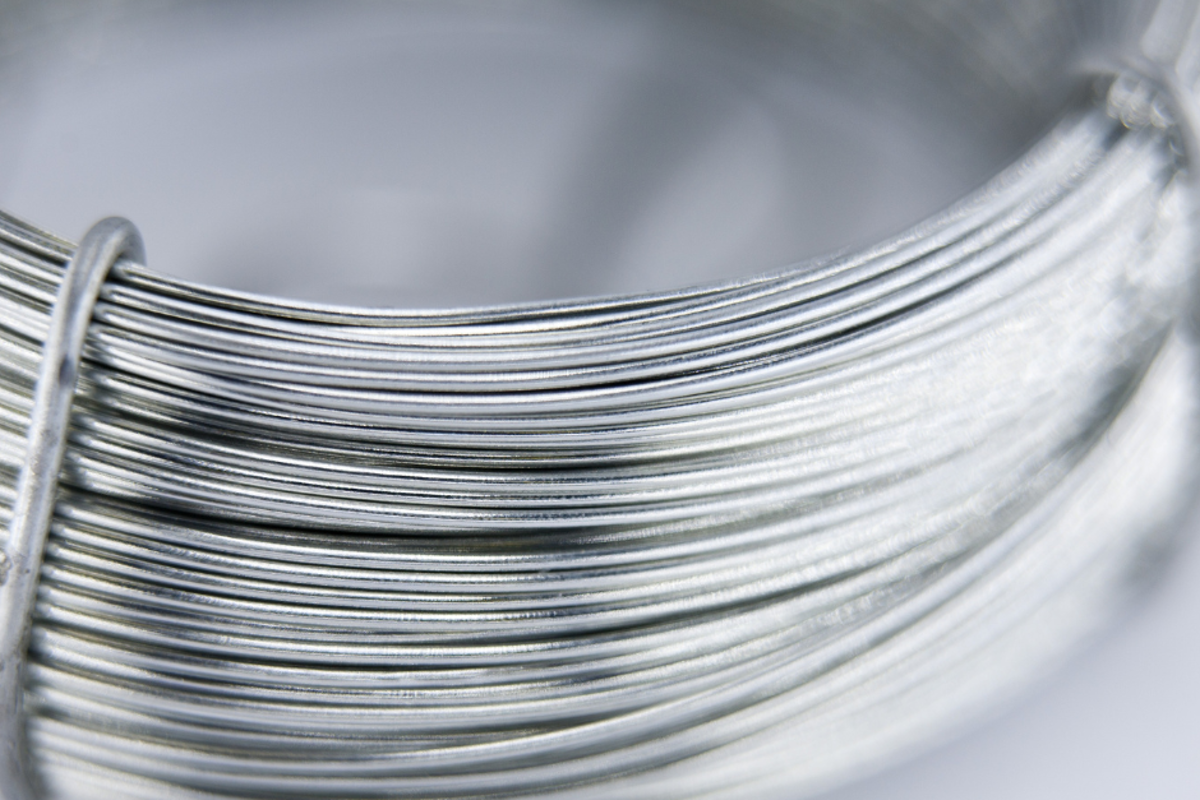
Global aluminium wire rod consumption has risen steadily across the world. Aluminium's unique properties make it a key material in the electrical and electronics industries, enabling a wide range of applications. The global wire and cable market, valued at US$ 191.6 billion in 2022, is anticipated to expand at a compound annual growth rate (CAGR) of 6.3 per cent between 2023 and 2032.
The global aluminium wire rod market was valued at $22.6 billion in 2023 based on consumption and regional trade flow. It is anticipated to grow at a CAGR of 3.7 per cent from 2024 to 2030. The increasing demand from the power, automotive, and aerospace sectors is a substantial factor driving this market.
Aluminium wire rod usage is driven mainly by the growth of worldwide electrical transmission and distribution networks. Over the last seven decades, aluminium cables and conductors have successfully replaced copper as the principal medium for carrying electricity. Bare conductors now account for about 70-75 per cent of the total aluminium used in cables and conductor applications, while insulated cables account for the rest.
China is the world's major producer of aluminium wire rods, followed by India. These two countries account for about 68 per cent of the global aluminium wire rod usage. This trend is expected to continue in the coming years, with global usage reaching more than ten million tonnes by twenty-thirty. While a significant demand is expected from emerging countries like India and regions like the Middle East and Africa (MEA) and South America, pedestal demand for aluminium wire rods will likely occur in developed markets like China, North America, and Europe. The rest of the world will witness smaller growth. Grid expansion, repair and maintenance, interconnection of renewable energy sources and international grids are some of the key drivers for new overhead transmission lines.
New technologies, such as High-Temperature Low-Sag (HTLS) conductors, will also drive the demand for aluminium wire rods.
Discover comprehensive insights, regional usage trends, and future forecasts for aluminium wire rods, cables, and conductors in AL Circle's exclusive report, 'Aluminium Wires & Cables Insights & Forecast to 2030'.
Stay ahead with in-depth market analysis, expert perspectives, and data-driven projections to empower your strategies through 2030. Subscribe now to make informed decisions and drive your business growth in the aluminium wires and cables sector!
Global electricity scenario
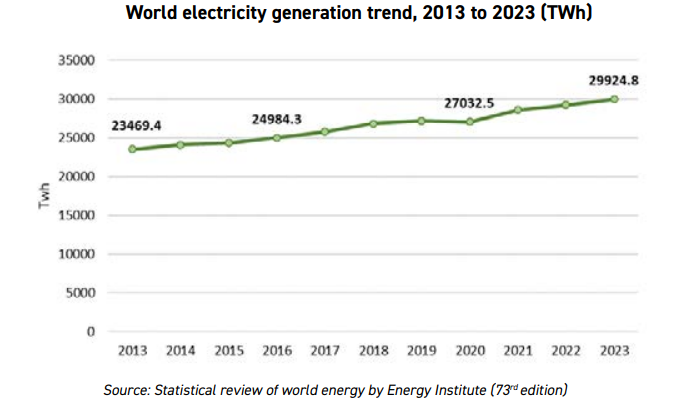
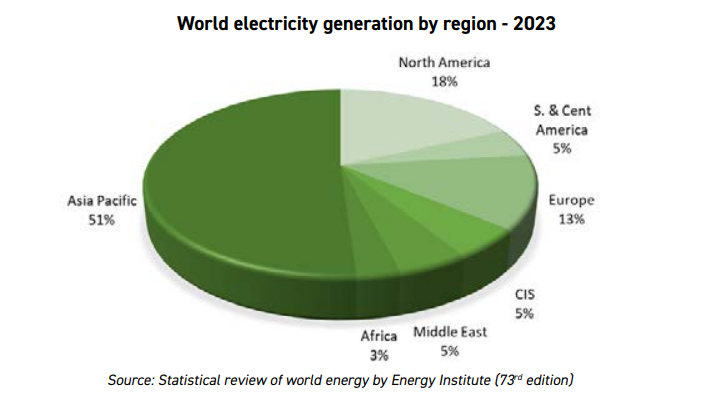
Electricity is the world's fastest-growing form of end-use energy consumption. World electricity generation increased from 23,469.40 TWh in 2013 to 29924.80 TWh in 2023.
Since 1970, the world has seen rapid energy demand growth, mainly satisfied by fossil fuels. Since the early 2000s, concerns about the environmental consequences of greenhouse gas emissions have heightened interest in the development of renewable energy sources.
Electricity generated from coal accounted for around 38 per cent of the total generation in 2017, which has dropped to 35.1 per cent in 2023. Industries account for around 42.2 per cent of global electricity consumption during 2022.
The global expansion of renewable energy has accelerated significantly in recent years, spurred further by the energy crisis following the Ukraine-Russia geopolitical crisis. This adversity highlighted renewables' dual benefits: enhancing energy security and combating climate change.
- In a significant push toward modernising America's ageing grid infrastructure, the US administration, in partnership with 21 states, has launched the Federal-State Modern Grid Deployment Initiative.
- The White House announced a national ambition to upgrade 100,000 miles of existing transmission lines, and the U.S. Department of Energy announced initiatives to increase transmission build-out.
- Brazil's first power transmission tender of 2024 attracted 18.2 billion reais (US$3.65 billion) in investments, as all 15 lots offered were acquired.
- More than 6,400km of new transmission lines will pass through 14 Brazilian states, with an increase in transformation capacity of 9,200MWA.
- China upgraded distribution power grids and built a smart grid infrastructure, which facilitates bidirectional communication between actors across the electricity value chain.
- China newly constructed 92,000 km of ‘500kV and above’ AC transmission lines with a capacity of 920mn kVA.
Growth drivers
Cables and conductors stand as integral components within the power transmission and distribution (T&D) network. The market is poised for significant growth, driven by several key factors, including the increasing generation of renewable power, the expansion and modernisation of transmission and distribution (T&D) infrastructure, and growing investments in metro railways. Global demand for cables and conductors is expected to rise due to increased investments in smart grid projects and the upgrading of power T&D systems. The surge in smart grid technology investments has led to a greater need for grid interconnections. Additionally, escalating investments in underground cables, coupled with the expanding renewable energy sector, are expected to boost the adoption of cables and conductors.
The demand for cables and conductors is closely tied to the growth of the manufacturing industry and infrastructure, particularly in the power, telecommunications, residential, and commercial sectors. Consequently, government initiatives across various domains, such as power, housing, infrastructure, and digitalisation, are expected to create significant opportunities for the cable and conductor segment in the foreseeable future. Moreover, the government’s emphasis on promoting renewable energy is driving the industry to supply cables for solar and wind power applications, in addition to serving sectors such as oil and gas, railways, and other segments.
Renewable energy & its impact on aluminium wire, cables & conductor
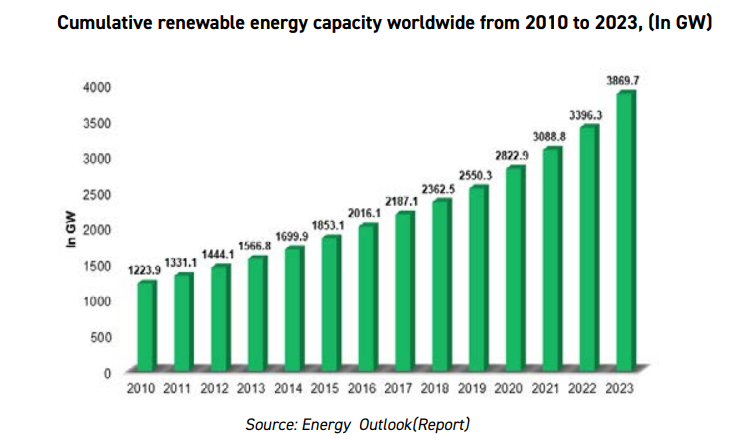
The world’s renewable energy capacity increased from 1,223.9 GW in 2010 to approximately 3,869.7 GW in 2023. In 2023, production from renewable energy sources reached 8,988.4 TWh, accounting for 30 per cent of the world’s total energy generation.
According to data released by the National Energy Administration, China’s installed renewable energy capacity exceeded 1.45 billion kilowatts in 2023, accounting for more than 50 per cent of the country’s total installed power generation capacity
According to the International Energy Agency (IEA), the world will need to add or refurbish over 80 million kilometres of grids by 2040, equivalent to the entire global grid. Aluminium is an optimal material for this monumental task due to its high conductivity, flexibility, and lightweight. Additionally, it is considerably less expensive than other metals typically used in power cables. These properties make aluminium an ideal solution for developing the renewable energy grid and addressing the substantial infrastructure needs projected for the coming decades.
The cables and conductors 'market has primarily been fuelled by growth in the power and infrastructure sectors. China is the world’s largest manufacturer of cables & conductors. The market for cables & conductors in China is valued at around US$ 47 billion in 2023. Over the years, power cables using all aluminium alloy conductors have gained market recognition and have replaced their copper counterparts. The wire and cable industry in China is highly competitive, with more than 4000 players. In recent years, like many other manufacturing sectors in China, the aluminium-based power cable sector has also faced the threat of overcapacity as a result of a surge in capacity build-up across the country.
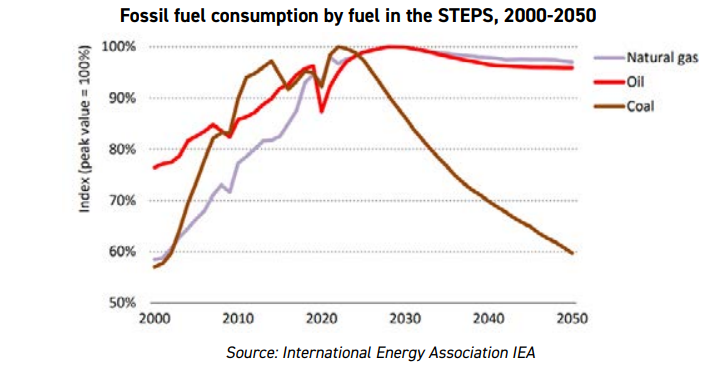
In the World Energy Outlook -2023, the Stated Policies Scenario (STEPS) projects lower demand for each fossil fuel compared to the WEO-2022. This decrease reflects current government policy settings worldwide, a slight downward revision in the economic outlook, and the ongoing impacts of the 2022 global energy crisis. It also aligns with longer-term trends: fossil fuel technologies have lost market share to clean energy technologies across various sectors in recent years. In many cases, fossil fuel-powered technologies have already reached their peak in sales or additions.












_md.webp)
_md.webp)
_md.webp)