AlCircle.com
Aluminium scrap markets yet to pick up momentum globally
Edited by : Dipanwita Gupta
3 min read

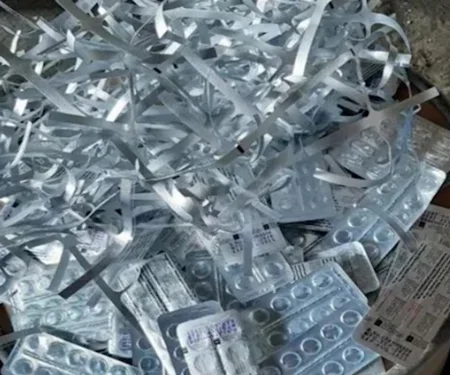
<p>Metal scrap consumers in Russia, especially those dealing in aluminium scrap, have been taken aback lately by the speculations regarding Kazakhstan imposing export barriers on some types of scrap. ‘This is in obvious contradiction of many Customs Union regulations and other free trade agreements,’ argued traders. ‘Both the Russian and Kazakh scrap communities are against this initiative.’<br /><br />The secondary aluminium sector in the UK, meanwhile, has suffered the impact of a declining sterling value which has followed the nation’s exit from the European Union. ‘The Far East markets have suddenly become very competitive and the export market has not made life easy for the UK foundries,’ observed market watchers. <br /><br />The demand for aluminium scrap in Japan has been 'sluggish' of late, as a result of which ‘considerable’ quantities of aluminium scrap, mainly UBC, have been shipped to countries like China and South Korea. According to the latest data available, Japanese aluminium scrap exports in the first half of 2016, surged 12 per cent year-on-year to 81 551 tonnes. <br /><br /><img style="vertical-align: middle;" src="http://www.alcircle.com/uploads/images/alu_scrap.jpg" alt="News" width="650" height="670" /><br /><br />It has been reported that sheet and cast aluminium from the US have been hard to find ‘as Zorba prices in May and June made it more attractive to shred the metal’, although it is expected that subsequent price developments may experience a reversal in trend in the near term.<br /><br />The secondary metals market in India, according to local sources, ‘isn’t exactly at full steam ahead’ yet. ‘Domestic aluminium scrap prices have gone down despite a resilient LME; the upcoming holiday season has slowed purchases of brass scrap in the Jamnagar area; and trading margins have become non-existent in copper,’ the sources said. <br /><br />The Middle East scrap market, meanwhile, has been experiencing a slowdown due to the month-long Ramadan holidays followed by the summer season; nevertheless, supply of metal scrap including aluminium scrap has been maintained at ‘a steady pace.' LME prices are said to have encouraged higher levels of export in the region.<br /><br />In Europe, the Benelux Countries report a large quantity of scrap units released into the various regional markets ahead of companies’ traditional clear-out of their warehouses prior to closing for the summer holidays.<br /><br />According to the China Ministry of Commerce data, the country's non-ferrous scrap imports dropped 6.7 per cent to 5.767 million tonnes. "The country’s secondary resource market was ‘fragile’ last year amid falling prices and lower profits for related enterprises," reported industry sources.</p>
Previous article
Close loop recycling turns out to be the biggest resource opportunity for JLR & Novelis
Next articleNovelis to raise up to US$1.1 bln via bond issue
Grow with
AL Circle