Aluminium Insider
Aluminium rolling costs keep on falling worldwide
Edited by : AL CIRCLE
2 min read

Production costs of rolling mills are falling due to both lower LME prices and weak energy prices. According to CRU’s Aluminium Rolling Cost (ARC) model, the costs fell in 2014 and 2015, with 2016 costs likely to continue their downward movement. However, from 2017 onwards, CRU expects costs to start recovering.
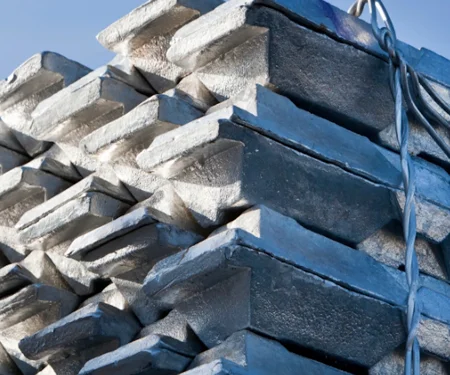
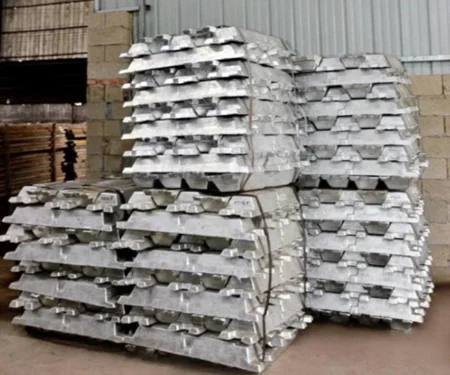
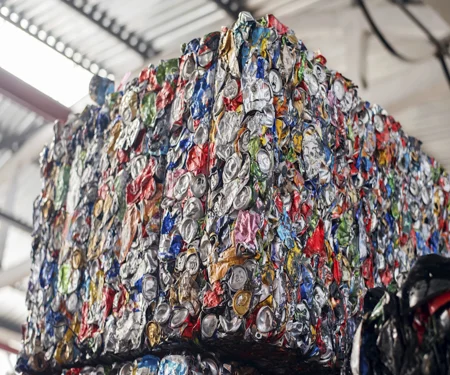
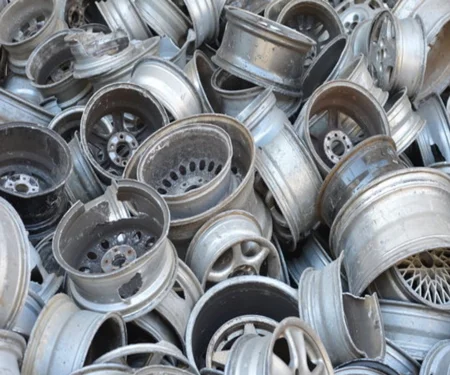
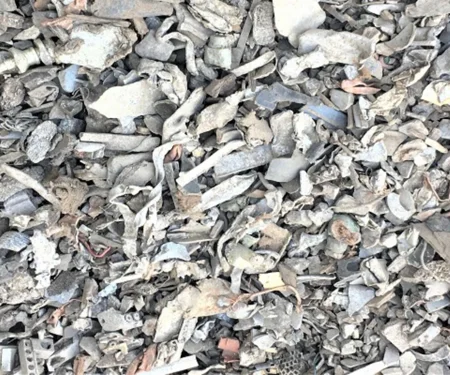
Mills typically source a range of raw materials including primary remelt ingot or liquid, rolling slab, hot rolled coil and a variety of different forms of scrap. Scrap makes up approximately 30-35 per cent of the total raw material mix. Raw material costs represent approximately 65-75 per cent of a rolling mill’s total costs, therefore the total business costs are closely linked to the LME price. It has fallen markedly since 2014 and CRU forecasts that prices will weaken further in 2016.
Another important cost component is energy. Rolling mills are currently benefiting from lower energy prices. Following strong increases in 2010 and 2011, average energy costs have decreased over the past 3 years and cost growth in near future will be limited. Some rolled products require more energy than others: for example auto body sheet has to be continuously annealed after the cold rolling stage and end stock requires a coating. Higher value added products in general require more casting, rolling and finishing time which results in a higher energy consumption. Therefore, as more plants move into higher value added products, and away from more standard products, the average energy consumption across the industry will trend upwards.
Mills typically source a range of raw materials including primary remelt ingot or liquid, rolling slab, hot rolled coil and a variety of different forms of scrap. Scrap makes up approximately 30-35 per cent of the total raw material mix. Raw material costs represent approximately 65-75 per cent of a rolling mill’s total costs, therefore the total business costs are closely linked to the LME price. It has fallen markedly since 2014 and CRU forecasts that prices will weaken further in 2016.
Another important cost component is energy. Rolling mills are currently benefiting from lower energy prices. Following strong increases in 2010 and 2011, average energy costs have decreased over the past 3 years and cost growth in near future will be limited. Some rolled products require more energy than others: for example auto body sheet has to be continuously annealed after the cold rolling stage and end stock requires a coating. Higher value added products in general require more casting, rolling and finishing time which results in a higher energy consumption. Therefore, as more plants move into higher value added products, and away from more standard products, the average energy consumption across the industry will trend upwards.
Unlock full access – sign up for FREE.
Key benefits
Find exclusive data-driven insights and in-depth analysis
Get our daily newsletter delivered straight to your inbox
Access real-time and historical price trends from global indices
Post and respond to latest business leads
Stay ahead with alerts on learning tools
...and so much more!SIGN UP / LOGIN
Previous article
Aleris reports Q1 Results: Adjusted EBITDA declines due to low aluminium prices and reduced scrap availability
Next article4th Automotive Lightweight Supply-Chain Symposium will lead up to DIECATING CHINA EXHIBITIONS in Shanghai
Grow with
AL Circle