Aluminium recycling sector flags EU ETS risks, surge in copper prices too

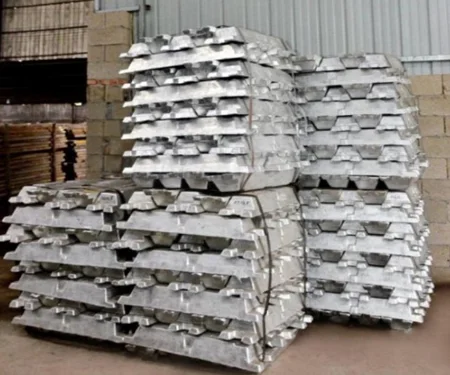
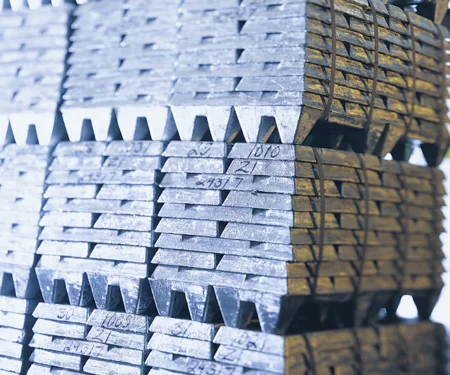
Stock image for referential purposes only
European aluminium producers are facing mounting pressure as the European Union pushes forward with reforms to its Emissions Trading System (EU ETS), a move expected to increase operating costs across the region’s recycling and refining industries. While the reforms are intended to support long-term decarbonisation goals and cleaner industrial production, analysts and industry groups fear they could weaken the competitiveness of Europe’s aluminium sector at a time when producers are already dealing with high energy prices and sluggish industrial demand.
The revised EU ETS structure changes the benchmark values used to determine how many free carbon allowances industrial companies receive. Aluminium recyclers and alumina refineries are especially concerned because they do not have dedicated benchmark values under the current framework. Instead, they depend on fallback benchmark calculations, which are expected to become significantly stricter during the next compliance cycle.
According to Commerzbank analyst Norman Liebke, the issue could have major financial implications for producers. “No specific product benchmark values are set for aluminium recycling or alumina refining, meaning so-called fallback benchmark values are used,” Liebke said.
Under the proposed rules, these fallback values could decline by nearly 34 per cent for the 2026-2030 phase compared with the current 2021–2025 period. Such a reduction would force companies to purchase a larger number of carbon allowances from the market, substantially increasing production costs.
Industry body, European Aluminium, has warned that the reforms may damage the sector’s global competitiveness because aluminium prices are largely determined by international markets. This limits the ability of European producers to pass on rising compliance costs to customers. Analysts believe recyclers could be hit particularly hard because profit margins in Europe’s recycling industry are already narrow.
Liebke noted that profitability in the recycling segment could be “massively impacted,” raising concerns that higher carbon-related expenses may discourage investment in recycling operations across Europe. The situation appears contradictory to the EU’s wider ambitions of promoting circular economy practices and encouraging lower-carbon aluminium production.
Alongside the ETS changes, the EU is also discussing adjustments to the market stability reserve, revisions to royalty structures for nomination blocks, and the creation of a new decarbonisation fund aimed at supporting industrial transition. Although policymakers argue these measures are necessary for long-term sustainability, manufacturers remain worried about the immediate financial burden.
While aluminium producers struggle with tightening environmental regulations, copper markets continue to display resilience despite ongoing geopolitical tensions in the Middle East. Copper prices recently traded within USD 500 of their January intraday record high, supported by tightening supply expectations and steady investor confidence.
Analysts believe financial markets currently expect limited economic fallout from the ongoing Iran-related tensions, provided diplomatic negotiations eventually help reopen the Strait of Hormuz.
“The recovery seen in recent weeks across a wide range of financial markets has shown that the market currently fears only limited economic repercussions from the ongoing crisis in the Middle East,” Thu Lan Nguyen said.
Even after US President Donald Trump rejected Tehran’s latest proposal, copper prices remained relatively stable compared with energy markets. However, Nguyen warned that a prolonged disruption could still negatively affect global economic activity and industrial metals demand.
“The longer the blockade lasts, the more severe the impact on the global economy is likely to be, meaning that the risk of setbacks should not be underestimated,” she added.
Supply-side concerns are also supporting copper prices. Chinese customs data for April showed slower copper ore imports, increasing concerns over refined copper production growth in the world’s largest producer and consumer. At the same time, disruptions near the Strait of Hormuz are affecting sulfuric acid supplies, a crucial material used in copper ore processing.
Nguyen said that limited sulfuric acid availability might exacerbate current copper concentrate shortages. Despite geopolitical unrest, copper's prognosis stays positive given electrification, electric vehicle manufacturing, and increasing long-term demand from renewable energy developments.
Baheti Recycling unlocks new growth phase with aluminium wire rod and OEM expansion
Next articleChina's aluminium scrap prices to extend their gains for now
Grow with
AL Circle