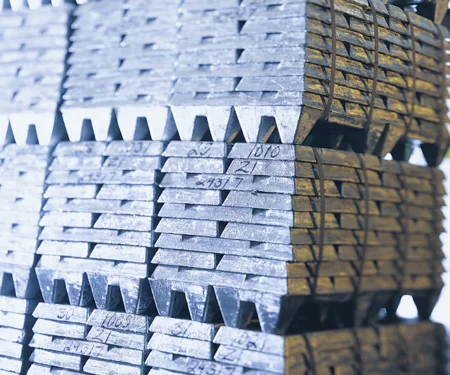
Aluminium price falls as Alvance raises output at UK smelter
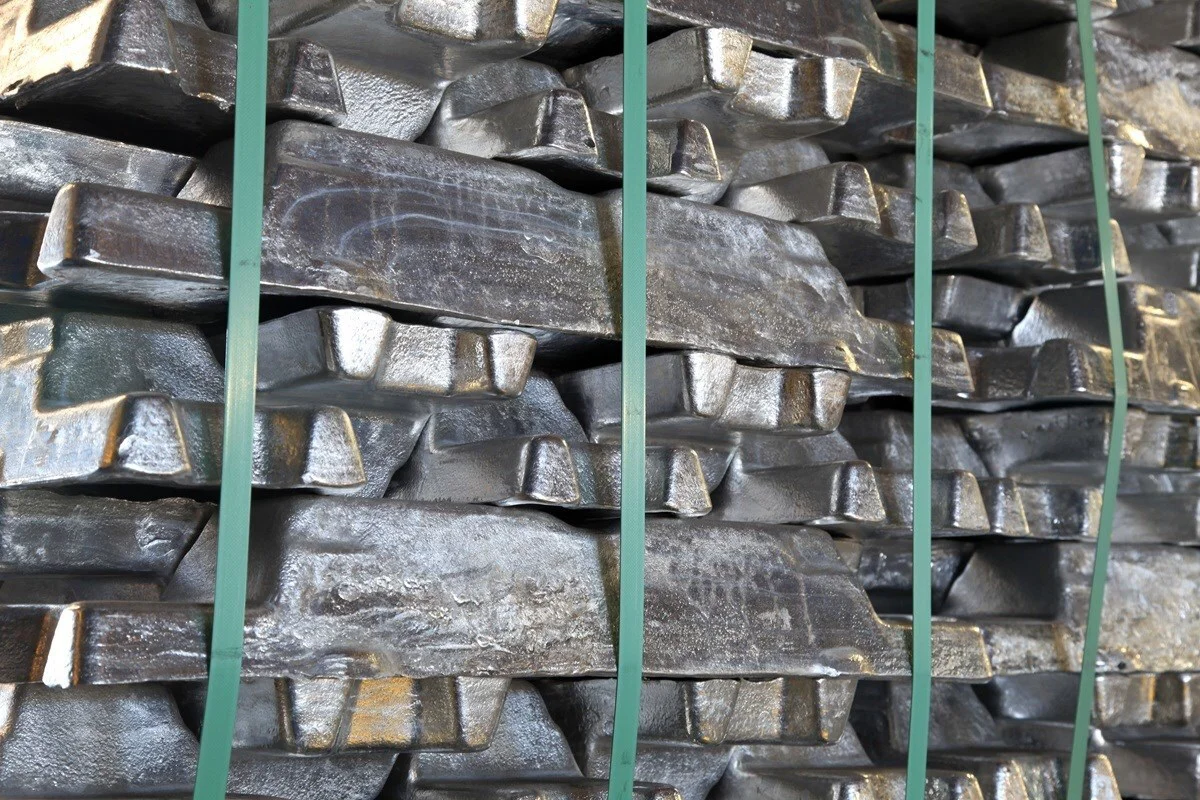
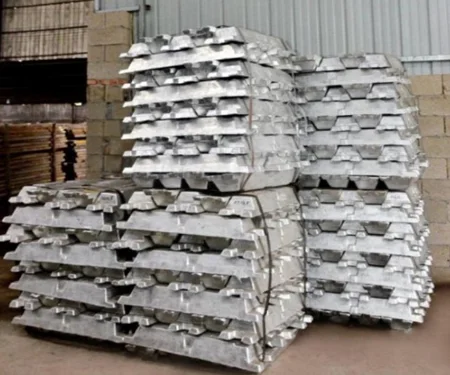
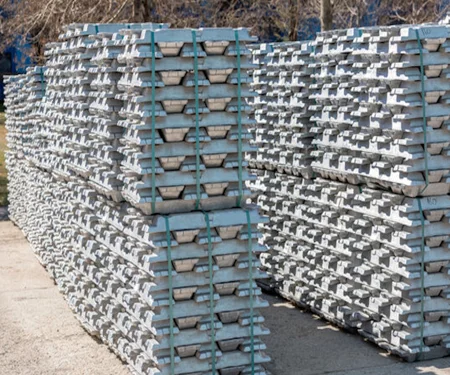
Aluminium prices remained low, dipping by 0.12 per cent to settle at USD 330.9 per kilogram, as mixed supply developments and demand concerns kept the market range-bound. However, output has picked up in some regions, with Alvance British Aluminium increasing production at its Lochaber smelter by around 10 per cent, supported by improved export opportunities to the US following tariff changes.
Explore- Most accurate data to drive business decisions with Global ALuminium Industry Outlook 2026 across the value chain
The current production disruptions in the Middle East, such as partial shutdowns at Aluminium Bahrain and reduced operations at Qatalum, have offered some support.
However, public opinion still varies. Global inventories have risen above 1.3 million tonnes, the highest since 2020, highlighting ample supply, while higher prices and energy costs have continued to disrupt production.
This is evident especially in China, where imports have declined, even though domestic production had risen by 3 per cent in the first two months of the year. Globally, aluminium output also rose higher, reinforcing the supply-side pressure. This caused premiums to remain firm, European duty-paid premiums touching USD 450 per tonne, reflecting a tight physical market.
Meanwhile, concerns over Guinea potentially imposing bauxite export quotas have added uncertainty to the raw material sector.
Industry analysis shows that the market is witnessing long liquidation, with open interest declining by 21.21 per cent. Aluminium is finding support at USD 327.1, with a break below opening the door to USD 323.1, while resistance is seen at USD 334.2 and then USD 337.3.
Don't miss out- Buyers are looking for your products on our B2B platform

LME aluminium cash offer softens to $3,242.5/t as EGA reroute eases Hormuz disruption
Next articleIreland’s Aughinish plant linked to Russia-bound alumina trade scrutiny in the defence sector
Grow with
AL Circle