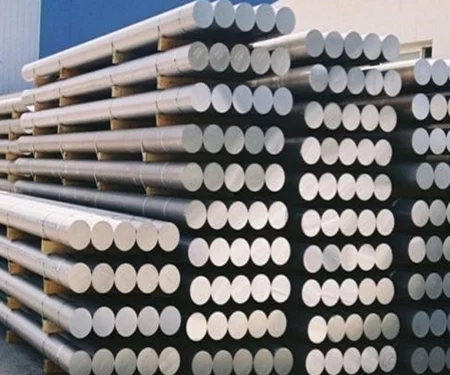
Aluminium outperforming steel for its 100% recycling nature, says recycling equipment developer STEINERT

The Germany-based recycling equipment and systems manufacturer, STEINERT stated: “Aluminium is increasingly replacing conventional materials, such as steel and can be 100% recycled; the metal has a very promising future.”
“What's more, using secondary aluminium, also known as green aluminium, cuts energy use in production by up to 90% compared with virgin material.”
Aluminium in scrap form is recovered from any situation and is recycled to produce new products. Now, the aluminium producers require their secondary raw materials to display consistently with high levels of purity and here comes STEINERT's new EVO 5.0 generation of machines that are developed to do this job.
Steinert said: “Dry density sorting using x-ray transmission is a proven method used by hundreds of metal recycling firms around the globe. Focused specifically on processors of aluminium, these new sorting machines are used to separate free heavy metals, aluminium compounds, free magnesium and wrought and cast aluminium parts.”

Furthermore, the company said: “Ongoing development work now ensures specific benefits for the sorting process.”
The EVO 5.0 generation is rolled out with new functions and accreditation goes to the Multilayer Data Evaluation (MDE). The sorting machine is highly proficient for usage for even more distinguishing criteria for detection due to high-resolution object recognition and by undertaking classification in parallel. Magnesium detection, one of the complex sorting tasks is solved very smoothly. Automatic x-ray monitoring and calibration (AXM) of the x-ray sensors help achieve consistently high detection and sorting quality.

There has been an up-gradation also in the hardware. The high-resolution valve pitch of 6.25 mm is capable of even more efficient sorting of fine material down to 5 mm. The x-ray scan area is cleaned automatically in the new generation of machines. This largely minimizes the amount of manual cleaning needed and maintains a steadily high level of detection quality.
US aluminium scrap exports to South Korea stand 21% down M-o-M to 22,900 tonnes in January 2021
Next articleMexico’s aluminium scrap exports to US record a 23% hike M-o-M to 14,500 tonnes in January 2021
Grow with
AL Circle