08 OCTOBER 2012Engineeringnews.co.za
Aluminium manufacturer Wahl Industries upgrades local schools
Edited by : AL CIRCLE
3 min read

Aluminium, tilt casting and aluminium light-fix- ture manufacturer Wahl Industries is supplying thousands of aluminium overhead bulk fittings to various schools in the country.
The company states that government has started to reinvest money in schools. Wahl has received orders to supply bulkhead light fittings to various schools in the Western Cape, the Eastern Cape, KwaZulu-Natal and Limpopo.
“Government is replacing old bulkhead fittings, which are of a poor quality and falling apart,” says Wahl Industries MD Randal Wahl.
He states that the company opened its new upgraded showroom, which took four months to build, in June.
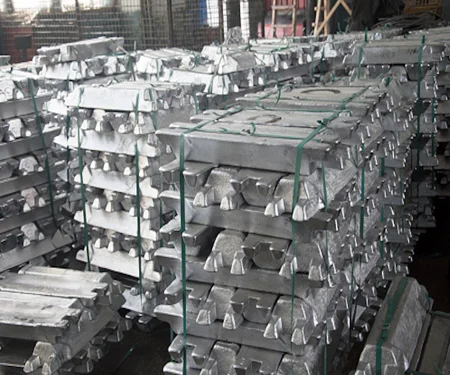
The company operates an aluminium gravity and tilt die-casting foundry, which produces a range of castings for the automotive, irrigation, catering, general engineering, furniture and lighting industries.
Wahl says the aluminium foundry industry has been inconsistent since 2010, but notes that the company has benefited from the 2010 FIFA World Cup, as it supplied various aluminium products to contractors for two years in preparation for the event.
Wahl adds that many foundries closed in the past two years, adding that the market has become very competitive.
To remain profitable, the company has not only diversified but also increased the amount of stock it carries to improve customer service.
Wahl says the company recently filled an order for a mining company for 500 conveyor-belt castings. Because Wahl had castings in stock, it was able to deliver the products the next day.
Meanwhile, a major challenge facing the company is the cost of gas and electricity.
“We can’t keep aluminium in the crucibles, as this would damage them as they solidify after a few hours.
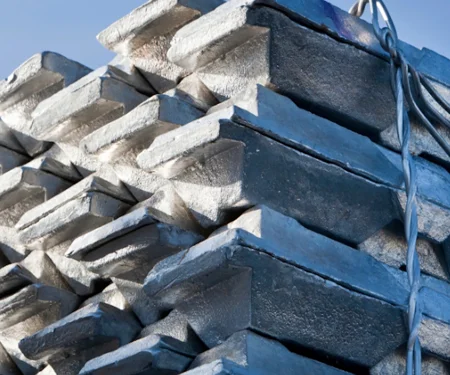
Aluminium makes up 8% of the earth’s solid surface by weight, but does not occur in nature as a free metal.
Wahl notes that aluminium’s value is its resistance to corrosion and its low density.
“Aluminium is malleable, durable and lightweight. It is regarded as being able to store energy because it retains the original energy used to convert it.
“In the recycling of the metal, the original stored energy is reused and only 5% of the original energy input is required to recycle aluminium, without any loss in quality.
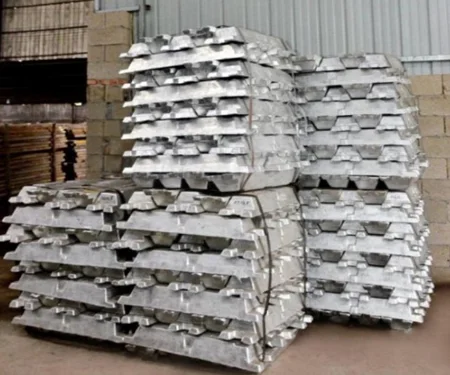
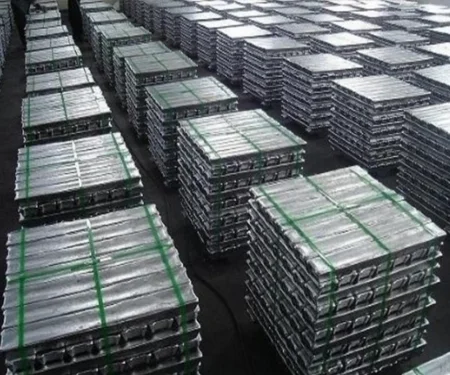
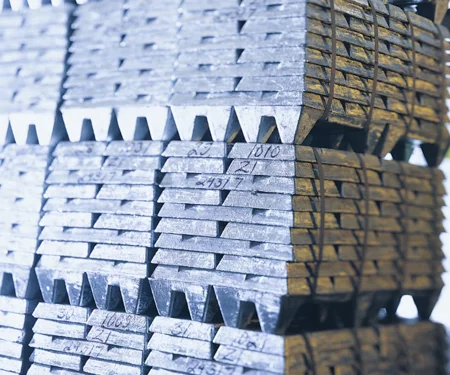
“We only use recycled alloyed aluminium. “All runners and flaring cutoffs during the manufacturing process are remelted, so we try to waste as little energy and leftover aluminium as possible,” he explains.
Wahl says the company’s foundry is one of the largest privately owned aluminium foundries in South Africa, with 10 500 m2 under cover, a maximum height of 4 m and overhead lifting capacity of 5 t.
He adds that the foundry comprises gravity and tilt castings, a tool room and machinery.
The company states that government has started to reinvest money in schools. Wahl has received orders to supply bulkhead light fittings to various schools in the Western Cape, the Eastern Cape, KwaZulu-Natal and Limpopo.
“Government is replacing old bulkhead fittings, which are of a poor quality and falling apart,” says Wahl Industries MD Randal Wahl.
He states that the company opened its new upgraded showroom, which took four months to build, in June.
The company operates an aluminium gravity and tilt die-casting foundry, which produces a range of castings for the automotive, irrigation, catering, general engineering, furniture and lighting industries.
Wahl says the aluminium foundry industry has been inconsistent since 2010, but notes that the company has benefited from the 2010 FIFA World Cup, as it supplied various aluminium products to contractors for two years in preparation for the event.
Wahl adds that many foundries closed in the past two years, adding that the market has become very competitive.
To remain profitable, the company has not only diversified but also increased the amount of stock it carries to improve customer service.
Wahl says the company recently filled an order for a mining company for 500 conveyor-belt castings. Because Wahl had castings in stock, it was able to deliver the products the next day.
Meanwhile, a major challenge facing the company is the cost of gas and electricity.
“We can’t keep aluminium in the crucibles, as this would damage them as they solidify after a few hours.
Aluminium makes up 8% of the earth’s solid surface by weight, but does not occur in nature as a free metal.
Wahl notes that aluminium’s value is its resistance to corrosion and its low density.
“Aluminium is malleable, durable and lightweight. It is regarded as being able to store energy because it retains the original energy used to convert it.
“In the recycling of the metal, the original stored energy is reused and only 5% of the original energy input is required to recycle aluminium, without any loss in quality.
“We only use recycled alloyed aluminium. “All runners and flaring cutoffs during the manufacturing process are remelted, so we try to waste as little energy and leftover aluminium as possible,” he explains.
Wahl says the company’s foundry is one of the largest privately owned aluminium foundries in South Africa, with 10 500 m2 under cover, a maximum height of 4 m and overhead lifting capacity of 5 t.
He adds that the foundry comprises gravity and tilt castings, a tool room and machinery.
Previous article
Report says over 30% of Chinese consume too much aluminum
Next articleM.T.I. Qualos introduces new aluminium flexible ‘see-thru’ swing doors
Grow with
AL Circle