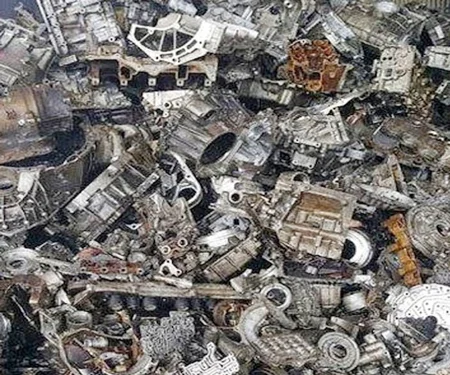
Aluminium dross: 7 diverse applications beyond metal extraction
The aluminium industry has actively sought strategies and technologies to establish a closed-loop supply chain model. Aluminium smelters worldwide are committing significant efforts to minimise and recycle aluminium dross to fulfil their sustainability and environmental objectives. In the past few years, technological advancements in aluminium dross processing have greatly assisted companies in attaining these objectives. As a result, the proportion of dross sent to the landfill has recently reduced significantly.
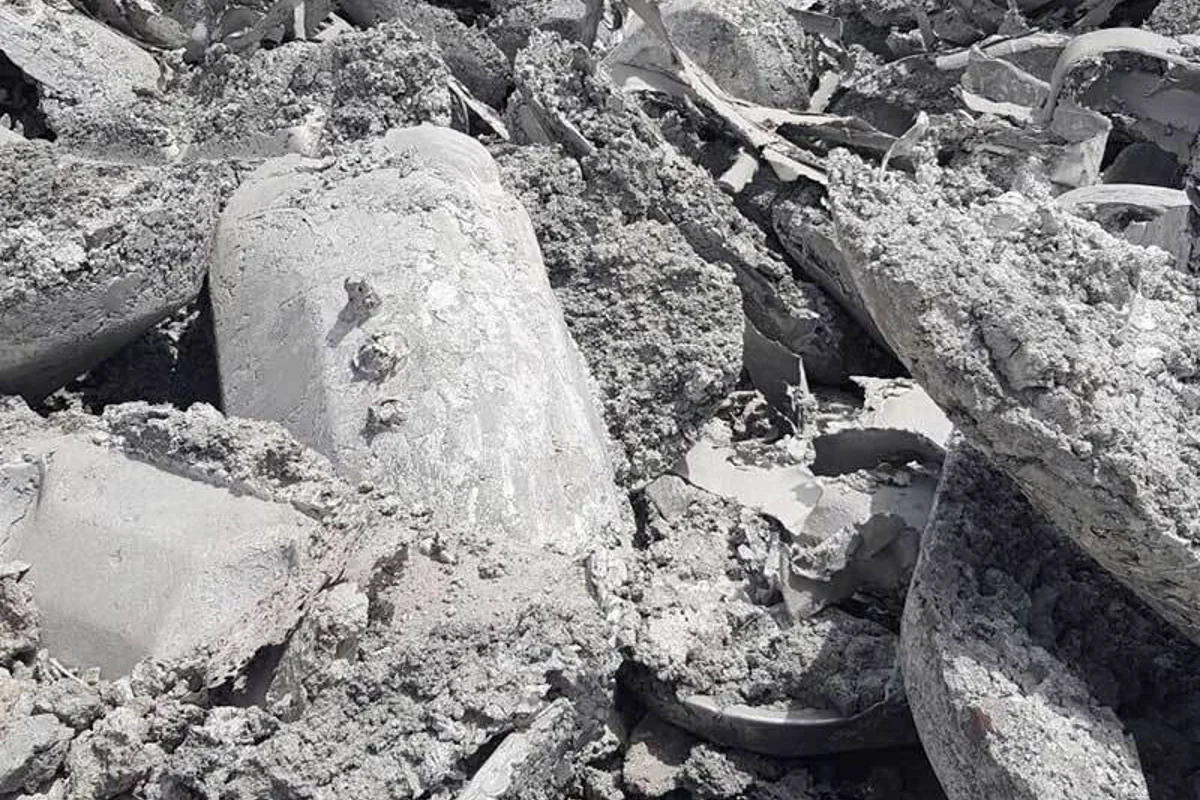
When aluminium reaches its molten state, oxidation occurs on the surface, forming a dross resembling a “skin-like” layer. This dross is then skimmed off the top surface, leaving behind the pure metal. Dross is predominantly generated in primary aluminium smelters, recycling facilities, and downstream processing units with ingot melting capabilities. Dross primarily consists of a combination of metallic aluminium, aluminium oxide, and oxides of alloying elements. In addition, dross contains dispersed gas bubbles, contributing to its reduced density and facilitating its separation from the molten aluminium. The conventional industry practice of using rotary salt furnaces is no longer deemed environmentally acceptable. Although this method typically recovers approximately 85 per cent of the metallic aluminium contained in dross, it forms a hazardous residue known as salt cake. This residue is a mixture of oxides, metallic aluminium, salts, and nitrides, posing significant environmental challenges.
Dross and aluminium recovery
Unlock full access – sign up for FREE.
Key benefits
Thailand emerges as the second-highest importer of aluminium scrap from US, replacing India
Next articleIndia’s aluminium scrap imports maintain the upward trajectory, rising by 5% M-o-M in April’24
Grow with
AL Circle