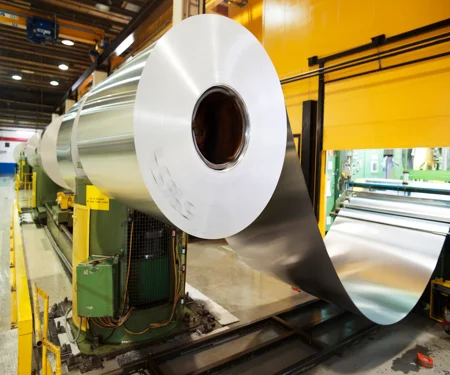
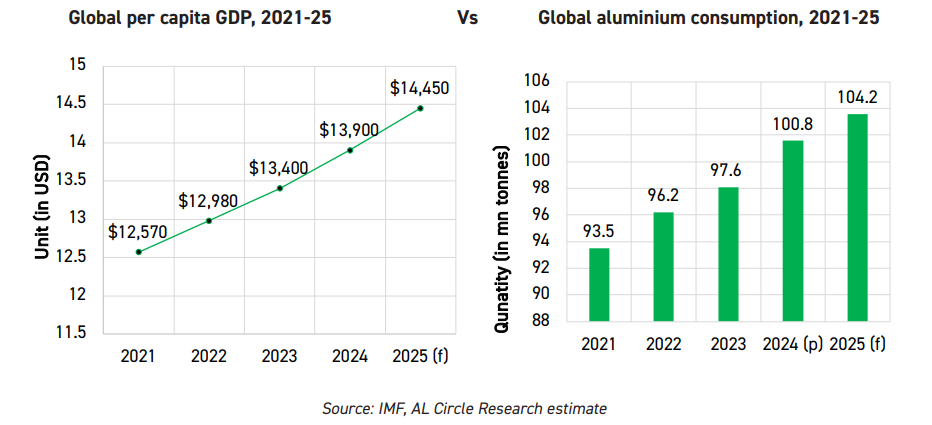
Global aluminium consumption is projected to grow at a compound annual growth rate (CAGR) of 3.33 per cent, increasing from 101 million tonnes in 2024 to 119 million tonnes by 2030. This expansion will be largely fuelled by rising demand across the transportation, electrical, and consumer durables sectors.
Post-COVID, aluminium demand has surged, driven by its growing adoption across key sectors such as packaging and automotive. In packaging, aluminium’s exceptional properties—particularly its ability to extend shelf life—have made it the material of choice for manufacturers.
Meanwhile, the rise of electric vehicles (EVs) has further accelerated aluminium consumption in the automotive industry. The shift from stainless steel to aluminium is a game-changer, as its superior strength-to-weight ratio enhances fuel efficiency and overall performance. This transition underscores aluminium’s pivotal role in shaping a more sustainable, high-performance future for mobility and beyond.
Potential drivers for aluminium consumption
Economic growth: Global economic expansion, particularly in emerging markets, is a major driver of aluminium demand. As economies grow, there is increased demand for infrastructure, construction, and consumer goods, all of which rely heavily on aluminium.
Transportation: The automotive and aerospace industries are significant consumers of aluminium due to its lightweight properties. The ongoing shift towards electric vehicles and fuel-efficient aircraft will likely further boost the demand for aluminium.
Renewable energy: The growing adoption of renewable energy sources, such as solar and wind power, requires substantial amounts of aluminium for components like solar panels and wind turbine blades. This trend is expected to continue driving aluminium consumption.
Packaging: Aluminium’s recyclability and lightweight nature make it attractive for packaging applications, particularly in the beverage and food industries. This sector is likely to contribute to the overall growth in aluminium demand.
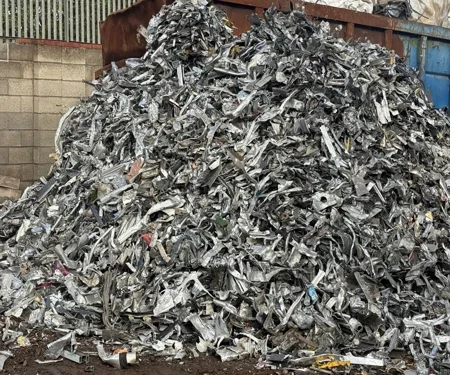
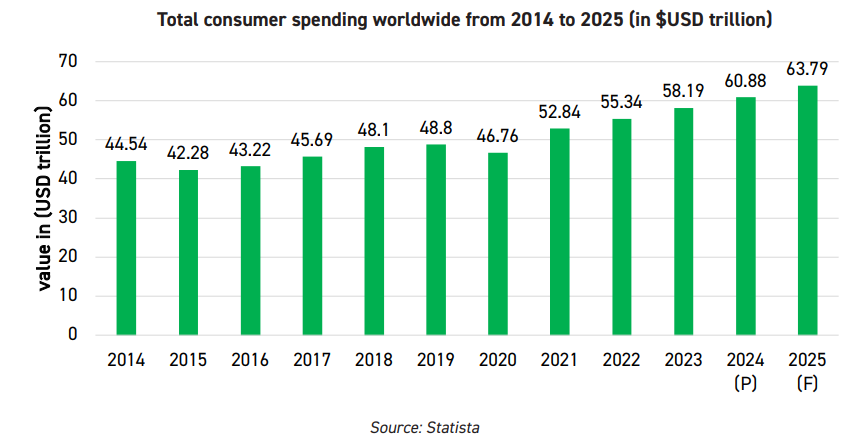
Consumers today, especially younger generations, increasingly align their purchasing decisions with their values, prioritising brands that demonstrate genuine commitment to environmental and social responsibility. This shift toward sustainability is more than just a trend—it’s reshaping industries, including aluminium. As a material with high recyclability and a strong role in the circular economy, aluminium consumption is gaining recognition as a sustainable choice.
However, this evolution presents a dual challenge for the aluminium industry. While demand for eco-friendly products is rising, so too are expectations for stricter environmental regulations, enhanced recycling processes, and responsible sourcing. The industry must not only capitalise on aluminium’s green credentials but also continuously innovate to meet these higher sustainability standards, ensuring long-term relevance in an increasingly conscientious marketplace.
Gain a deeper understanding of the global aluminium industry, including its market dynamics, sector-wise consumption patterns, regional trends, and key factors shaping future demand. Explore critical insights into aluminium production and its evolving role in the global economy with the latest industry-focused report, "Global Aluminium Industry Outlook 2025."












_md.webp)