Aluminium billet inventories in China tumble down by 3,200 tonnes W-o-W to 98,500 tonnes
As of July 14, the domestic aluminium billet social inventory closed at 98,500 tonnes, down by 3,200 tonnes W-o-W. Overall, decreased aluminium prices improved downstream consumer confidence. The durability of destocking will need strict monitoring, however, given the consistent output of aluminium smelters and the rise in arrivals.
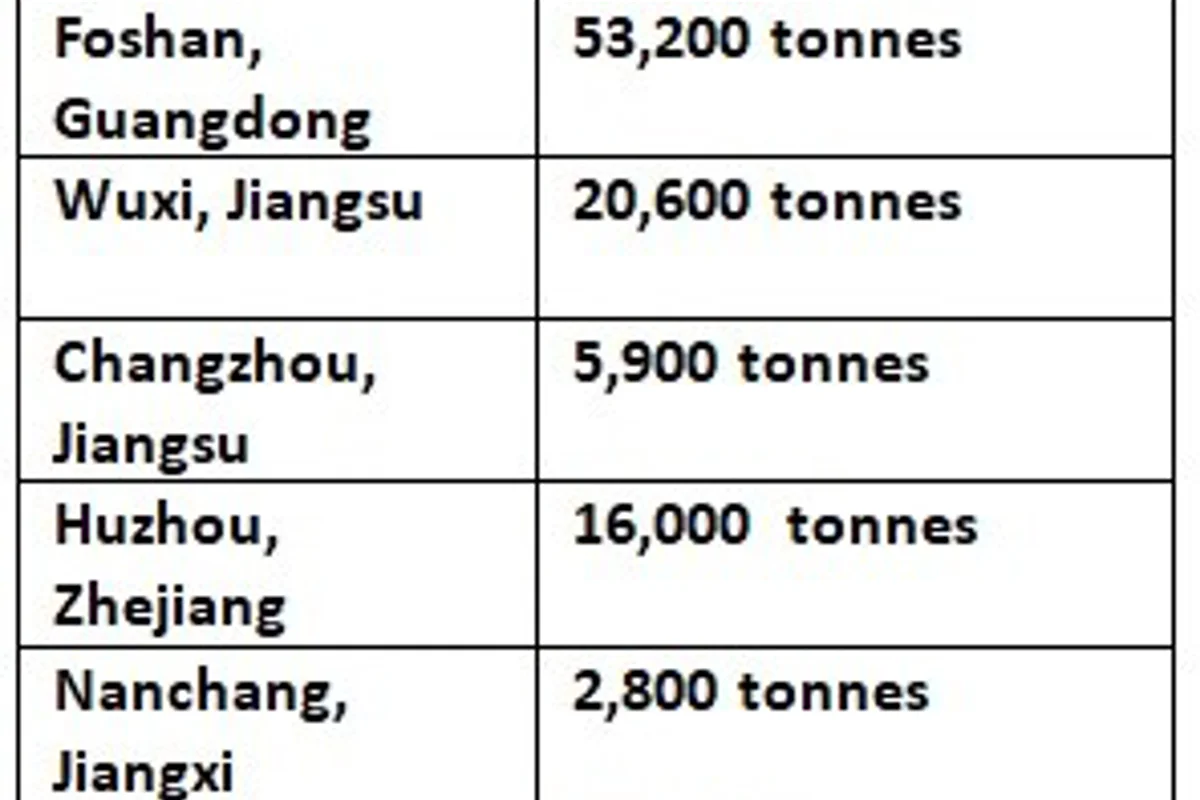
The figure below provides further information on the current state of aluminium billet inventories in China:
On July 14, the aluminium billet inventory in Foshan witnessed a surge of 2,200 tonnes to settle at 53,200 tonnes from 51,000 tonnes a week ago. For theOnme day in Wuxi, the inventory in Wuxi spiked by 400 tonnes to stand at 20,600 tonnes from 20,200 tonnes last week.
_0_0.gif)
Stockpiles decreased in Changzhou, Huzhou, and Nanchang, where downstream manufacturers replenished as needed. As per the SMM data, the aluminium billet inventory in Changzhou dropped the highest by 2,300 tonnes to halt at 5,900 tonnes from 8,200 tonnes on July 7. Meanwhile, the inventory in Huzhou shed 2,000 tonnes to settle at 16,000 tonnes. On the same day, in Nanchang, the inventory went down by 1,500 tonnes to halt at 2,800 tonnes.
Gränges reported record net sales of SEK 6,875 million in 2Q2022 amidst a challenging environment
Next articleDownstream weekly recap: ADC revokes anti-dumping duties on aluminium profiles imported from Vietnam and Malaysia; AKFA plans to expand aluminium products export in 2022
Grow with
AL Circle