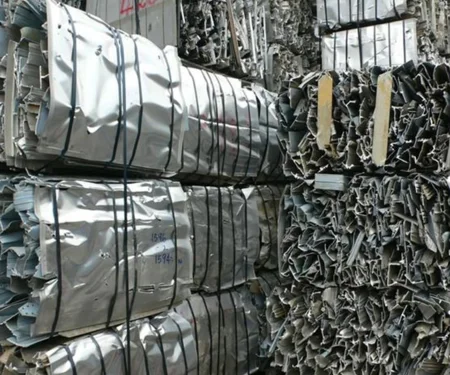
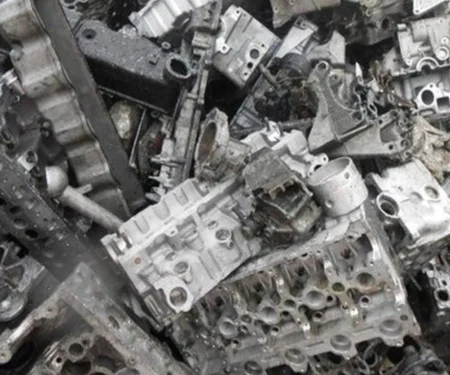
Aluminium billet inventories in China elevate by 18,800 tonnes W-o-W to 79,700 tonnes.

The domestic social inventory of aluminium billets continued to rise this week and, as of January 5, the inventory had settled at 79,700 tonnes, up 18,800 tonnes from the previous week. As conversion margins increased in Foshan and the price differential between east and south China reverted to normal, more cargoes started to enter the area, increasing the local inventory.
The output of aluminium extruders on the other hand substantially decreased due to inadequate orders, so even though it is predicted that the cutbacks in aluminium billet production will increase in January, the supply of this metal will still be ample. As a result, it is anticipated that aluminium billet inventories in both east and south China will increase.
The figure below provides further information on the current state of aluminium billet inventories in China:

The inventories in Foshan and Wuxi had increased by 9,100 tonnes and 3,800 tonnes to 34,500 tonnes and 19,000 tonnes. As conversion margins increased in Foshan and the price differential between east and south China reverted to normal, more cargoes entered the area, expanding the local inventory.
_0_0.gif)
Previously, East China's relatively robust demand helped boost conversion margins and draw freight from other regions. As a result, Wuxi's inventory increased for a few weeks. On the same day, the inventory in Huzhou went up by 5,000 tonnes to 20,000 tonnes from 15,000 tonnes recorded a week ago. As per the SMM data, in Changzhou and Nanchang, the inventories recorded a spike of 700 tonnes and 200 tonnes to score at 2,700 tonnes and 3,500 tonnes.
Guizhou Power Grid imposes third round of power rationing on aluminium smelters to curb energy shortage
Next articleChina’s aluminium ingot inventory skyrockets by 83,000 tonnes W-o-W to 576,000 tonnes on January 5
Grow with
AL Circle