Aluminium beverage cans recycling initiative at Mardi Gras 2023 collects money for charity
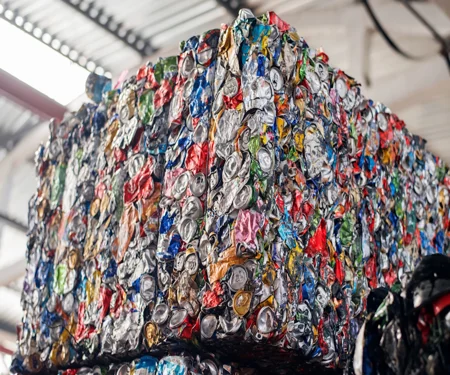
The Can Manufacturers Institute (CMI) has joined hands with different local organisations to help recycle more aluminium beverage cans at the Recycle Dat event organised by Mardi Gras 2023. Thousands of aluminium beverage cans were sold for money that CMI matched and donated to charities or locals instead of ending up in landfills. Notably, the aluminium from those beverage cans is now used for making new cans.
Their collaborators included the City of New Orleans, the regional tourist organisation New Orleans & Company, EMR, many regional brewers, and the local, sustainable events non-profit Grounds Krewe. The goal of CMI includes increasing the recycling rate from 45 per cent in 2020, which made beverage containers the most recycled in the US, to 70 per cent by 2030, 80 per cent by 2040, and 90 per cent or more by 2050.
All of the money generated from selling the Used Beverage Cans (UBC) gathered along the procession route was quadrupled by CMI. Three regional non-profits—Coalition to Preserve Coastal Louisiana, Louisiana SPCA, and New Orleans Area Habitat for Humanity—were each given a portion of the funds earned.
“The structure of Recycle Dat’s can recycling component was an approach only aluminium beverage cans are able to support given their relatively high economic value. In a quest to turn trash into treasure, we are very proud that this pilot effort resulted in nearly 150,000 aluminium beverage cans recycled and sold for revenue instead of going to landfills. We are excited to collaborate with local partners again next year to increase the ability for Mardi Gras partygoers to recycle even more of their used beverage cans, generate more money for charity and local residents, and turn more used beverage cans into new cans,” said Scott Breen, vice president of sustainability at CMI.
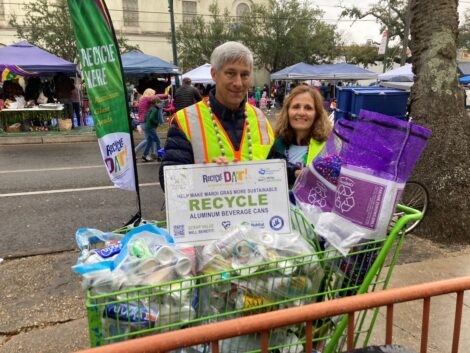
The Mardi Gras pilot programme Recycle Dat collected UBCs in two ways:
- Setting up four recycling hubs and ten can-only trash cans at key locations along the busiest parade route for the two weekends before Mardi Gras Tuesday's afternoon parades. Volunteers manned these key locations and employed various techniques to collect empty beverage cans from parade spectators.
- Encouraging people to immediately drop off UBCs at the conveniently placed EMR metal recycling plant in Mid-City New Orleans. These mechanisms included oversized shopping carts, grabbers, and specially constructed backpacks allowing individuals to put their empty cans directly for recycling.
A local metal recycling plant purchased 142,974 used beverage cans (UBC), which generated $3,854 (the UBC market value of $1,927 plus the CMI financial match) for neighbourhood non-profits and citizens. Indeed, reducing carbon emissions from recycling the cans gathered as part of this campaign is the same as driving a car a little over 35,000 kilometres.
These empty cans will likely be converted into new ones because nearly all (93 per cent) of recycled UBCs are made into new cans. Also, by increasing the average 73 per cent recycled content of beverage cans, the industry for aluminium beverage cans can reduce the greenhouse gas emissions related to the production of aluminium beverage cans.

“A national group like CMI supporting recycling in New Orleans helps bring financial and communications resources that significantly expanded the reach of our Mardi Gras recycling efforts. It means a lot to me and the volunteers in this effort to know each used beverage can we pick up, or enable a paradegoer to recycle, is made from an infinitely recyclable material and will indeed be repurposed,” said Brett Davis, founder of Grounds Krewe.
Rio Carnival shatters Guinness World Record for aluminium can recycling event
Next articleWrexham Student bags the first prize in Alupro’s Bin-fluencer campaign
Grow with
AL Circle