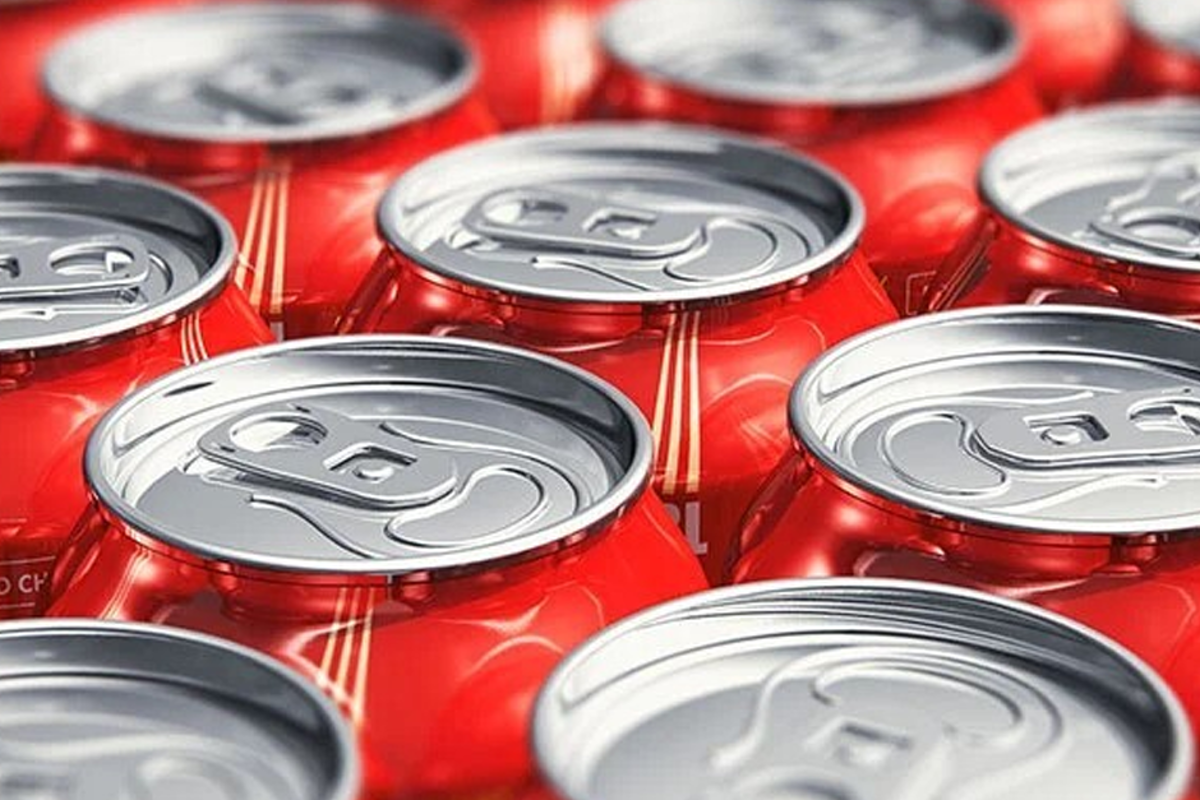
Aluminium can manufacturers in Brazil have reported a delightful H1 2024 owing to encouraging beverage can sales led by favourable macroeconomic conditions. On the continuity of this trend, beverage can sales are set to poise a 5 per cent growth at the year-end, compared to an annual increase of 1.65 per cent last year, according to Cátilo Cândido, president of the Brazilian Association of Aluminum Can Manufacturers (Abralatas).
The association's president also apprised that the current production rate of aluminium beverage cans in Brazil is 32.6 billion can units per year, while per capita consumption is 165 12-can packages per year.
In an interview with S&P Global Commodity Insights, Cândido shared his perspective on aluminium can sales, stating that it is a complex interplay of scale, temperature, and economy.
He added the positive growth in the Brazilian aluminium can industry reflects the positive dynamics of the domestic economy as the aluminium can industry's growth figure closely aligns with the gross domestic product (GDP).
Stable prices of domestic primary aluminium in Brazil also played a crucial role in heightening the aluminium beverage can sector, leading to normalised inventories in the first half of 2024. In addition, extended hot season also contributed favourably to aluminium beverage can sales in Brazil.
Brazil is the world's largest consumer of aluminium beverage cans. According to AL Circle's report "World Recycled Aluminium Market Analysis - Industry Forecast to 2030," Brazil consumed 29.6 billion aluminium cans in 2020, even amid the COVID-19 pandemic.
Effects on primary aluminium premiums
In February 2024, premiums for primary aluminium delivered duty paid in Southeast Brazil, excluding value-added tax, stood at $250 per tonne over the London Metal Exchange cash. With the increase in aluminium can sheet production in line with demand growth, the premiums surged to $295 per tonne as of August 2024.
Aluminium beverage can sales have grown by 53 per cent over the past ten years, indicating an average annual increase of around 6 per cent. "It's a success story that encompasses both pandemic and non-pandemic years," stated Cândido.
Cândido assured that Brazil has sufficient production capacity to support the future demand for aluminium cans. He said the country has the ability to produce approximately 40 million cans per year, while this year, the output is estimated to reach 32 million cans.
With the increase in aluminium beverage cans consumption, there lies a grand opportunity to enhance recycling and accelerate the effort towards sustainability goals in line with climate change concerns.
The Brazilian Association of Aluminum Can Manufacturers said the country recycled more than 95 per cent of cans over the past 15 years, ranking first in the world.
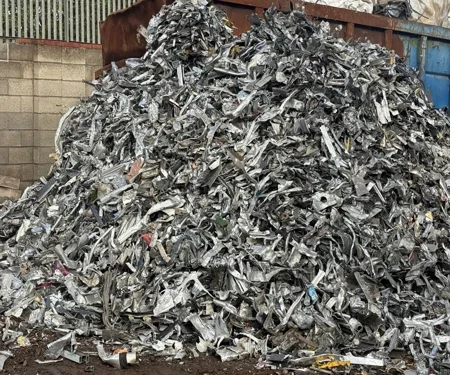
AL Circle's recycling report also highlights Brazil's recycling rate is 97 per cent, thanks to the efficient system for easy collection and transportation of aluminium UBCs. In contrast, UBC collection rates range from 30% to 100% worldwide, with a global average of close to 70%.
"We are comparable to markets like Germany and Japan; however, they operate on smaller volumes or experience more fluctuations, as seen in Japan," said Cândido.
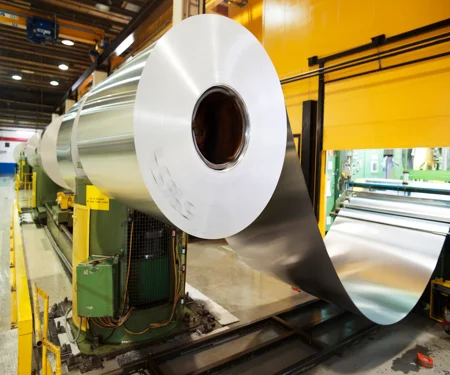
He further said Brazil's recycling industry (including other materials) is valued at Real 6 billion per year as a result of the collective effort of individual collectors and cooperatives, alongside investments from companies. Companies affiliated with Abralatas are bound to purchase used beverage cans (UBCs) as part of an agreement with the Brazilian government. The companies are in talks to procure about 312,000 tonnes of post-consumption scrap per year to process them into aluminium coils, blended with a small percentage of primary aluminium, typically between 10-15 per cent. These coils will have the least content of primary aluminium in the industry, and the recycling cycle of these coils will be approximately 60 days.












_md.webp)