Aluminium Association of India seeks BIS implementation amid concerns over low-grade aluminium scrap dumping
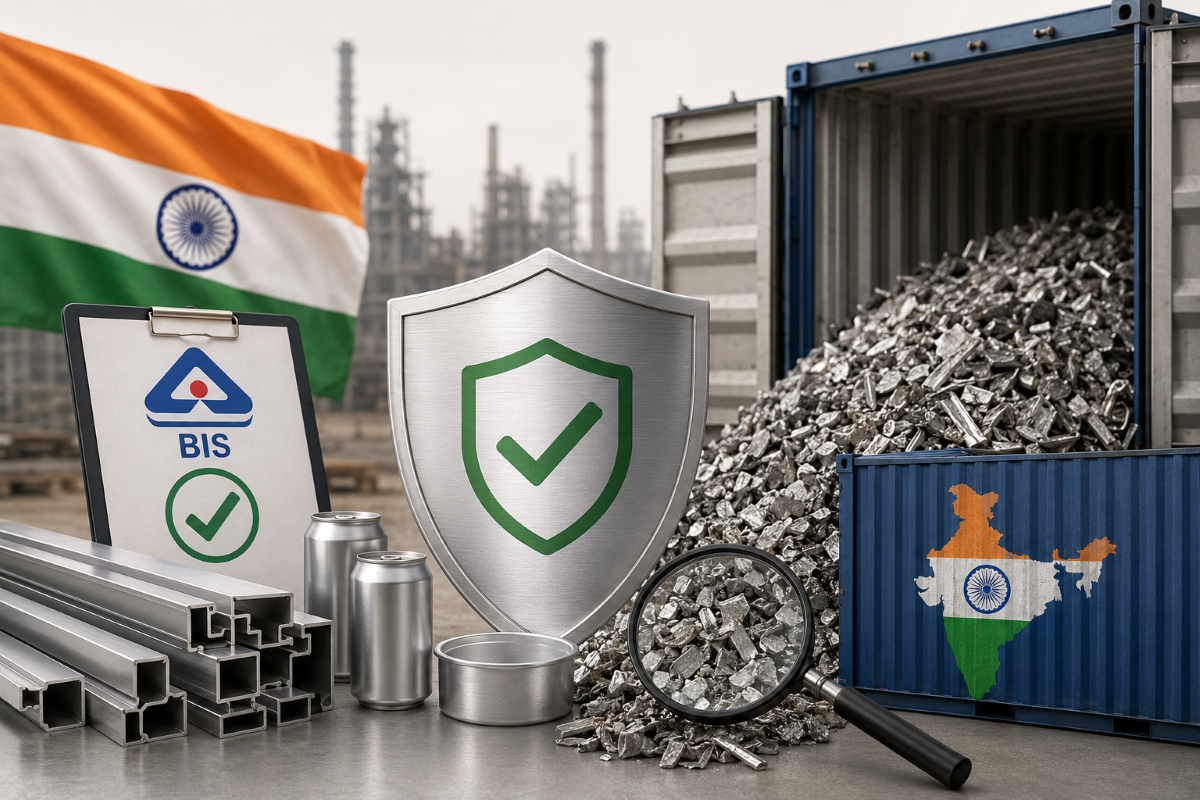
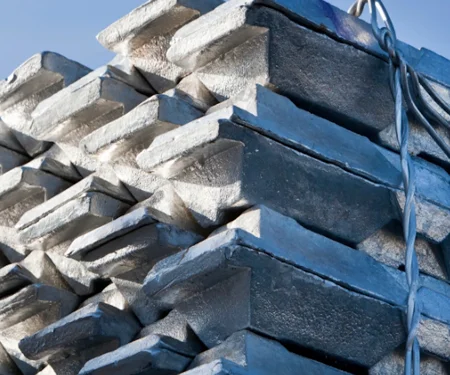
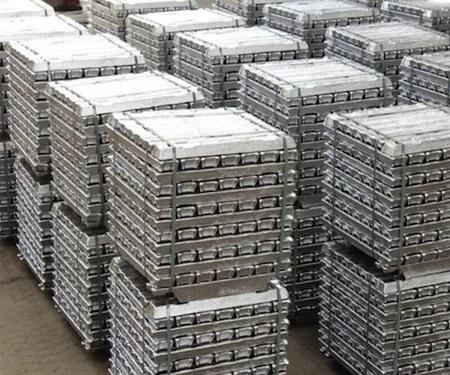
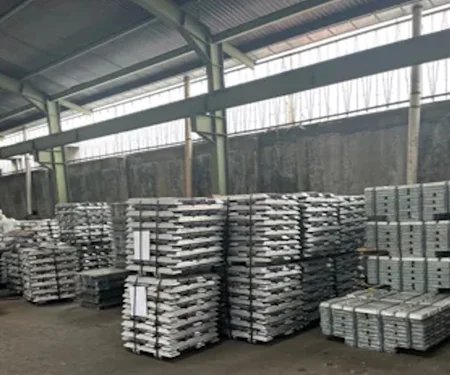
The image used in this article is generated with an AI tool and does not depict any real-time moment
The Aluminium Association of India (AAI) has called on the Centre to immediately notify the long-pending BIS standards for aluminium scrap, warning that a surge in imports could turn India into a dumping ground for substandard material. In representations submitted to the Ministry of Finance and the Ministry of Mines, AAI described aluminium as a “future-facing strategic material” with applications across power, transport, infrastructure, defence, aerospace, packaging, electronics, utensils and renewable energy.
The association cautioned that unchecked entry of aluminium scrap could have wider economic consequences, affecting product quality, consumer safety, manufacturing competitiveness and the credibility of India’s aluminium value chain.
AAI seeks duty protection and grade-wise HSN codes
As an immediate fiscal intervention, AAI has proposed retaining the Basic Customs Duty (BCD) on aluminium scrap at 2.5 per cent until the government publishes the pending BIS scrap quality standards and introduces grade-wise HSN codes. The proposed classification is intended to clearly distinguish high-quality scrap from inferior grades.
After the standard is published and HSN mapping is introduced, the apex body wants the government to increase the duty on low-grade scrap categories, specifically Grade 3 to Grade 7, to 7.5 per cent.
According to AAI, the proposed standard - “Aluminium & Aluminium Alloy Scrap Requirements & Conditions of Delivery” - has already undergone detailed consultations involving NITI Aayog, BIS, JNARDDC, the Ministry of Mines, primary producers and recyclers.
The association has also cited examples of other economies with tighter scrap controls. The US has raised its Section 232 duties to 50 per cent, the EU is advancing CBAM and other safeguard-related measures, while countries such as Malaysia and China permit only higher-quality aluminium scrap imports. AAI said the result is “low-quality aluminium scrap being dumped into India.”
Delve deeper into the recycled aluminium and secondary aluminium market with our World Recycled ALuminium Market Analysis Industry forecast to 2032
Secondary aluminium output reaches nearly 2.2 million tonnes
The call for tighter quality controls comes as aluminium recycling plays an increasingly important role in India’s metal supply. Over the last decade, the country’s secondary aluminium production has risen from 0.85 million tonnes in FY2015-16 to nearly 2.2 million tonnes in FY2025-26, accounting for around 35 per cent of India’s total aluminium consumption.
This growth reflects the importance of recycled aluminium in meeting the country’s rapidly expanding demand for competitive and low-carbon metals across automobiles, building and construction, steel, and packaging.
NITI Aayog’s January 2026 “Roadmap for Aluminium Sector Decarbonisation” records that India’s primary aluminium industry, at current production of around 4.2 million tonnes, emits an estimated 83 million tonnes of CO₂ annually. In comparison, recycled aluminium consumes up to 95 per cent less energy and emits up to 90 per cent less CO₂ than primary aluminium production.
The report further identifies a higher share of recycled aluminium as one of the most effective opportunities for advancing India’s Net Zero 2070 goals. It projects secondary aluminium will account for approximately 45 per cent of the country’s total aluminium demand by 2028, driven primarily by rapid growth in the automotive sector and increasing demand for low-carbon materials.
While primary aluminium smelting generates 4 to 5 tonnes of toxic red mud for every tonne of aluminium produced, the aluminium recycling industry is a zero-discharge industry. India saves more than 7.6 cubic metres of landfill space per tonne, transforming what the world considers “waste” into high-value industrial raw material without the ecological footprint of mining and primary smelting.
Attend the webinar Hedging for recyclers - Become an expert in 6 hours to learn metal price risk management for recycling
Import dependence reaches 80-85% of raw material needs
Despite the expansion of domestic recycling, India remains heavily dependent on overseas scrap. Due to the country’s relatively low historical aluminium consumption -3.3 kg compared with 16 kg globally - domestic generation of end-of-life scrap currently meets only 15-20 per cent of the industry’s raw material requirement, leaving nearly 80-85 per cent to be met through imports as per MRAI.
Aluminium scrap imports alone stood at 2 million tonnes, resulting in a foreign exchange outgo of INR 402.03 billion.
AAI said this trend threatens India’s self-reliance goals at a time when the domestic aluminium industry has invested around INR 1.5 trillion over the past decade and is preparing more than INR 3 trillion in new investments by Vedanta, Hindalco and NALCO. These investments are expected to double primary aluminium capacity to nearly 9 MTPA by FY33 and create more than 100,000 jobs.
Itochu and Daikin partner to recover aluminium from commercial air conditioners
Next articleWychavon launches campaign to increase aluminium foil recycling
Grow with
AL Circle