Aluminium anode EV battery achieves high efficiency and fast charging at -25°C
A research team from the Chinese Academy of Sciences (CAS) performed a field evaluation of an aluminium-based lithium-ion battery designed for wide temperature ranges in Heilongjiang Province. At -25 °C, the battery attained more than 92 per cent discharge efficiency in practical urban driving and reached 90 per cent state of charge in around 20 minutes during charging at low temperatures.
For the global aluminium value-chain 2026 outlook, book our exclusive report “Global ALuminium Industry Outlook 2026"
The battery uses an aluminium-based anode combined with alloying elements to broaden its range of operating temperatures. Laboratory results show performance consistency from extremely low to high temperatures (-70 °C to +80 °C). This evaluation marks the inaugural integration of this battery type in a production EV model to assess its performance in extreme cold, which includes testing for low-temperature fast charging.
The updated Geely Galaxy E5 SUV, marketed globally as the Geely EX5 EV, features an aluminium-based wide-temperature battery. This model features a greenhouse design, plastic wheel-arch trim, and wheels, while the revised version employs conventional door handles instead of retractable ones. The EX5 EV is being marketed in international markets, such as the UK and Australia, as one of the major EV manufacturers that can incorporate cold-weather battery technologies for daily usage.
The battery uses an alloy-modified aluminium negative electrode to improve ion mobility and preserve energy at lower temperatures. Lab experiments indicated that voltage and discharge rates were consistent throughout multiple cycles of testing.
The vehicle underwent a 24-hour cold soak at -25 °C. The battery maintained a discharge efficiency of over 92 per cent throughout standard urban driving. The battery reportedly charged up to 90 per cent in about 20 minutes. Temperature and performance sensors verified that the battery functioned properly within established safety parameters during the test.
Lithium-ion batteries typically face major capacity loss at temperatures under -20°C. Recent advancements in China, such as aluminium-based batteries, sodium-ion technologies, and solid-state prototypes, focus on improving performance in low temperatures. The aluminium-based battery has been in national patent applications and is noted as a likely option for smart grid energy storage. Further testing and integration efforts will assess preparedness for broader implementation in production.
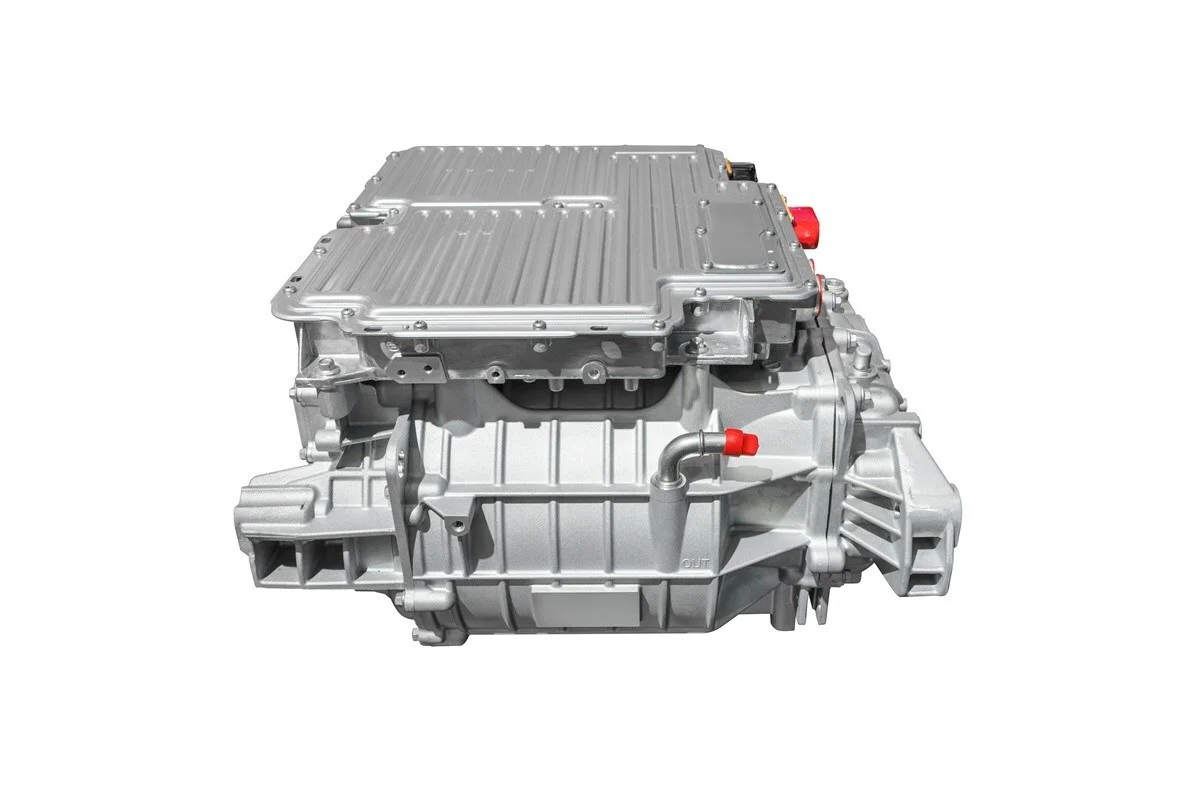
Note: Image for referential purposes only
Don't miss out- Buyers are looking for your products on our B2B platform

Geopolitical disruption raises costs for India’s real estate: aluminium price weighs in
Next articleBIS mandates ISI certification for aluminium utensils and cans from October 1
Grow with
AL Circle