Alcoa valuation back in focus as UBS flags aluminium supply risks and stronger demand
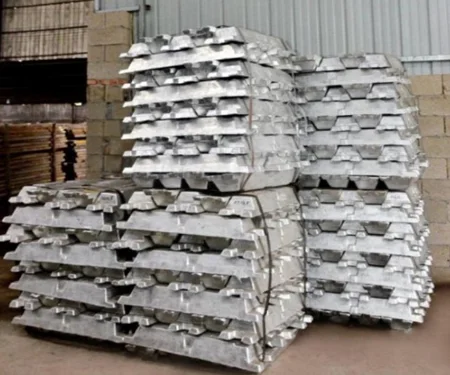
Stock image for referential purposes only
Alcoa has come into focus after UBS highlighted the potential impact of supply disruptions linked to the Middle East conflict and growing global demand for aluminium, prompting investors to take a fresh look at the company's valuation.
The renewed attention comes as aluminium prices remain supported by supply concerns and increasing demand from electrification and industrial sectors.
Alcoa's shares have seen some recent volatility, falling 1.40 per cent over the past day and 13.58 per cent during the last week. Despite the pullback, the stock remains up 14.61 per cent over the past 30 days and 28.07 per cent since the start of the year, while its one-year total shareholder return stands at 154.14 per cent.
One widely followed valuation model estimates Alcoa's fair value at USD 73.87 per share, compared with its most recent closing price of USD 72.41, suggesting the stock is trading at a modest discount of around 2 per cent to its estimated value. That assessment is based on expectations for the company's future revenue growth, profitability and earnings performance.
A separate valuation approach based on projected future cash flows paints a more optimistic picture. Under that model, Alcoa is valued at around USD 126.99 per share, implying the stock is trading at an estimated 43 per cent discount to its intrinsic value.
At the same time, analysts caution that a number of factors could influence the company's future performance, including greater use of recycled aluminium, competition from alternative materials, changes in tariffs and evolving regulatory requirements.
To know the long-term bauxite market forecast, book our report: “Global Bauxite & Alumina Market Forecast to 2036: Supply–Demand, Trade Flows & Price Outlook”
On a traditional earnings basis, Alcoa trades at a price-to-earnings (P/E) ratio of 18.6 times, compared with a peer average of 18.1 times and an estimated fair multiple of 22.8 times. The comparison suggests the shares are not significantly undervalued relative to industry peers, even though cash flow-based models point to greater upside.
The differing valuation measures come as aluminium prices continue to draw support from supply-side constraints and stronger demand linked to the global energy transition, leaving investors to weigh whether Alcoa's current share price fully reflects its long-term growth potential.

Aluminium prices unlikely to return to past lows, says Axis Securities
Next articleAgainst the tariff odds, India’s aluminium exports to the US continue winning streak
Grow with
AL Circle