Alcoa requests trump administration for exemption from the 10 per cent tariffs on aluminium
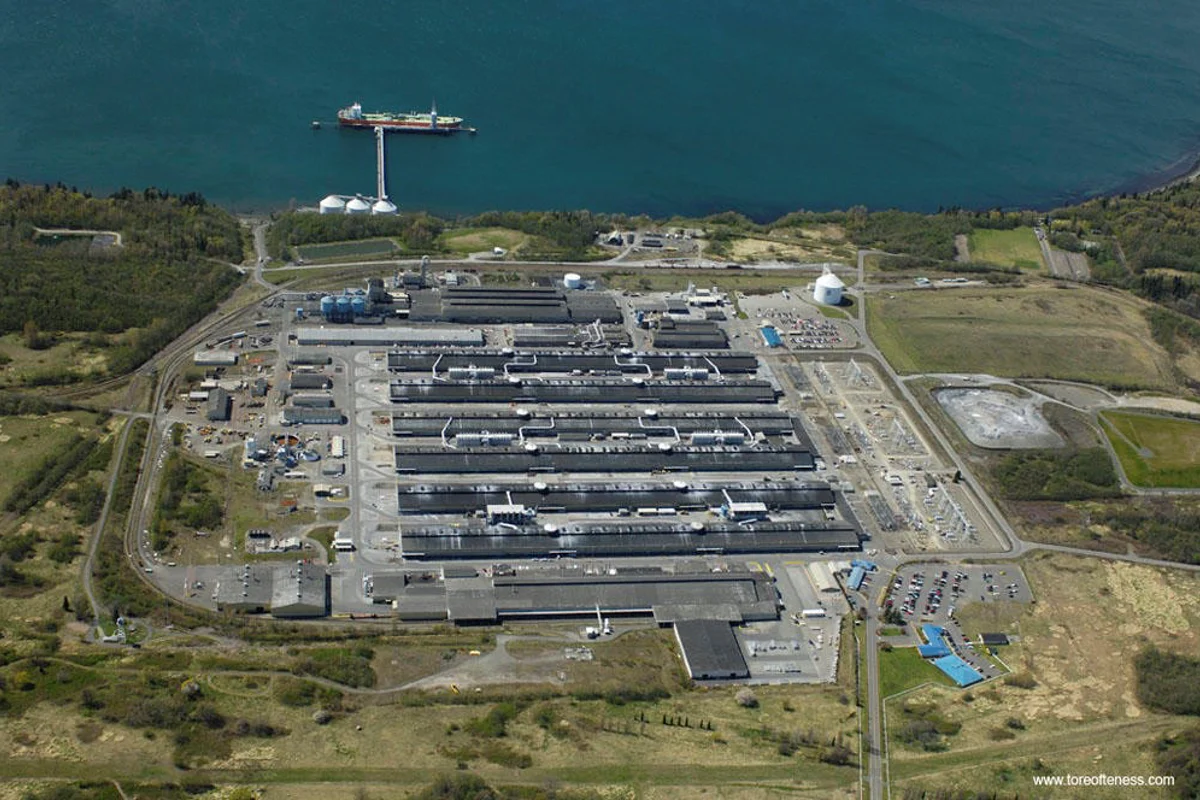
On Monday, August 6 Alcoa requested Trump administration for an exemption from aluminium tariffs. The 130 year old aluminium producer was considered to be one of the companies which were benefitted from the tariffs as they faced stiff competition from import. However, the tariffs turned out to be an injury on the producer as it imports much of its aluminium from its Canadian facilities which fall under the tariff list.
But Alcoa’s request indicated the counter risks the Trump administration is facing while trying to protect American firms by erecting trade barriers. Businesses that rely on imported materials are facing increased cost pressure, while others that export to overseas markets are being hit with retaliatory tariffs from tariff hit countries like Canada, China, Mexico and the EU.
Alcoa announced during its result presentation that the aluminium tariffs were likely to add $100 million in costs this year.
The Trump administration is threatening to impose tariffs on imports of cars and car parts and could impose tariffs on $200 billion worth of goods from China. Alcoa proposed earlier that tariffs should not be imposed on Canada and Europe with which the US has a healthy trading equation.
In its exemption request, Alcoa said it imports aluminium from its Canadian operations for further processing at its Warrick facility that employs around 1,600 people. Alcoa supplies the semi-finished aluminium to customers who use from that plant to make food and beverage cans.
Alcoa said it cannot get adequate quantities of aluminium that it needs from its own facilities in the United States or from other American producers. Alcoa’s president Tim Reyes said that the US would continue to import aluminium even if all major aluminium plants were restarted.
It is not clear whether Alcoa will gain any exemptions. Other American companies can also object to exemption requests by showing they can provide the imported materials to the company. Through August, the Commerce Department had approved 115 requests for aluminium tariff exclusions.
“We will deal with them in the same transparent and impartial manner as we deal with all requests,” James Rockas, a spokesman for the Commerce Department said.

Both Alcoa and Century Aluminum have financially benefited from the rise in aluminium prices in the United States.
A company can also resubmit an exclusion request for review if they are denied on the first attempt, if no American producer will sell the product it is seeking, or a substitute, a department official said. Aluminum industry representatives are of the view that such umbrella tariffs are hurting the sector and will ultimately make American companies less competitive by obliging them to buy domestic raw materials by paying higher costs.
Surging US dollar pulled LME aluminium down by 2.2%; SHFE 1810 fell overnight after breaking rangebound trend
Next articleLME struggles to stay up on account of surging greenback; SHFE to regain strength in the short term
Grow with
AL Circle