Alcoa follows Century in turning aluminium smelters into data centres
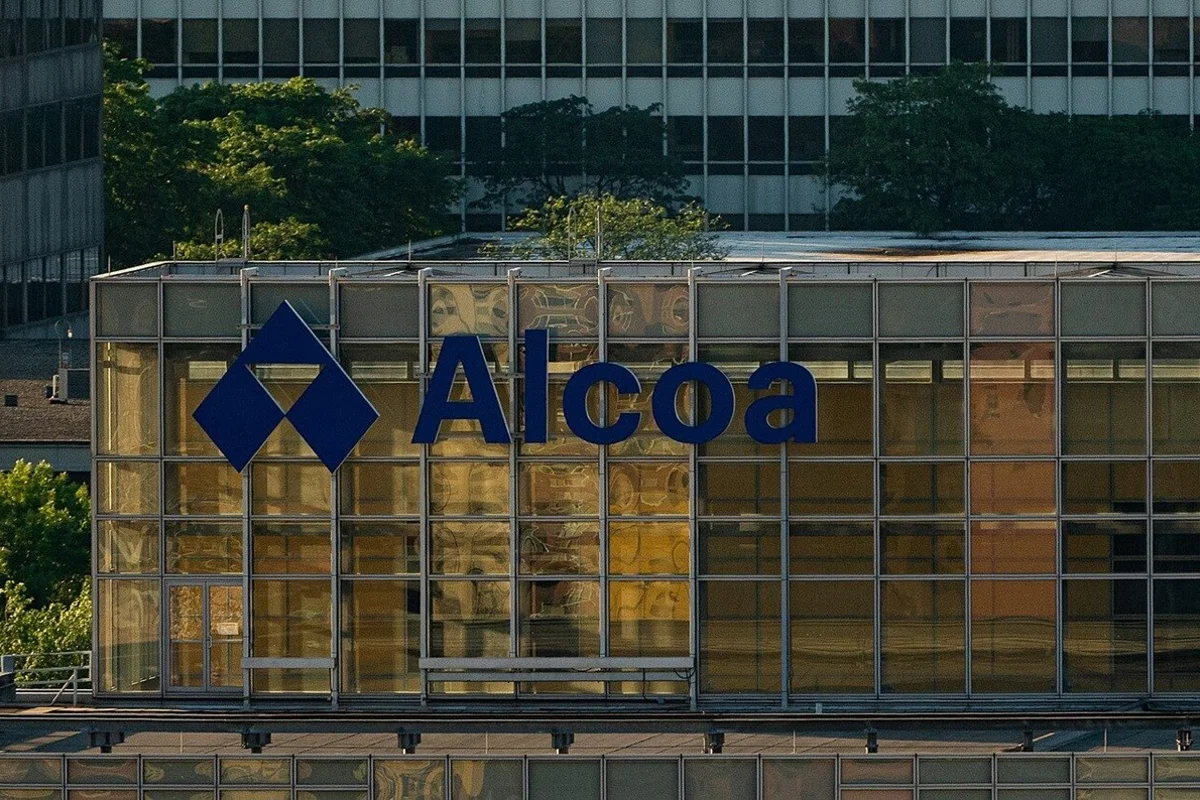
Aluminium smelters are increasingly being repurposed as data centres. Following an update from Century Aluminium about transforming its Hawesville smelter into a digital infrastructure campus, news has surfaced from Alcoa Corp that it is turning its ten aluminium facilities into data centres. These smelters are currently either fully idled or operating at reduced capacity. According to its chief executive, Bill Oplinger, the first transaction is expected to be concluded before the end of June, with two additional deals likely to follow shortly thereafter.
For the global aluminium value-chain 2026 outlook, book our exclusive report “Global ALuminium Industry Outlook 2026"
The move reflects a notable shift in the energy landscape. Aluminium smelting is an electricity-intensive process, and producers have traditionally competed fiercely for access to affordable power.
In recent years, however, large-scale data centres, driven by rapid expansion in artificial intelligence and cloud computing, have emerged as formidable new rivals for those same energy resources. Paradoxically, this surge in demand has opened up a commercial opportunity: sites located near abundant or attractively priced energy supplies are becoming appealing assets for technology infrastructure investors.
Industry peers have already begun to act. Earlier this month, Century Aluminium agreed to sell its dormant Hawesville smelter to a data centre operator, while retaining a 6.8 per cent shareholding in the project. That transaction has underscored the potential for aluminium producers to extract ongoing value even after divesting operational control.
Speaking at the BMO Global Metals, Mining and Critical Minerals Conference in Florida, Mr Oplinger explained that Alcoa is concentrating specifically on ten locations it believes are well suited to this transition. Historically, the company’s priority in asset sales has been to secure the strongest possible return while limiting residual liabilities. The emergence of AI-driven demand, he noted, introduces a new variable: how far might valuations rise in a market increasingly shaped by data infrastructure needs?
In his view, the key consideration is determining what each site may be worth within what he described as a “data centre world”, or indeed an “AI world”, compared with more traditional industrial uses.
Mr Oplinger also addressed broader market conditions. Elevated aluminium prices in the United States, he said, have not significantly dampened customer demand. In contrast, depressed prices for alumina, the raw material used to produce aluminium, have placed roughly half of global refineries in a cash-negative position. While he expects this financial pressure to result in production cutbacks across the sector, he indicated that Alcoa does not intend to reduce output at its own alumina operations.
Don't miss out- Buyers are looking for your products on our B2B platform

Nigeria eyes $2 billion Chinese investment for aluminium sector
Next articleLME aluminium cash offer edges up to $3107/t on February 25, while opening stock holds steady at 471550t
Grow with
AL Circle