Nigeria eyes $2 billion Chinese investment for aluminium sector
中文翻译附于新闻末尾,敬请继续阅读。
On a warm afternoon in Abuja, conversation turned to an industry many had long written off as dormant. Nigeria’s steel and aluminium ambitions, often discussed, rarely realised, were back on the table as the Minister of Steel Development, Shuaibu Abubakar Audu, received a delegation from GCL Group.
For the global aluminium value-chain 2026 outlook, book our exclusive report “Global ALuminium Industry Outlook 2026"
Rather than broad declarations, the meeting focused on a concrete proposal. The Chinese firm GCL signalled its intention to submit plans for a primary aluminium smelter designed to produce 3 million tonnes annually. With projected costs exceeding USD 2 billion, the scheme could become one of the most significant industrial undertakings in Nigeria’s metals space for several decades.
According to a statement released by Munirat Antoinette Lecky, the minister’s Special Assistant on Digital and New Media, the Federal Government sees the moment as an opportunity to reposition the country as a serious manufacturing destination. Officials argue that Nigeria’s abundant mineral reserves, expanding consumer base and relatively stable democratic environment together form a compelling case for large-scale investors.
In the course of discussions, attention was drawn not only to aluminium but also to the wider supply chain. Opportunities were identified in greenfield steel projects and in the extraction of raw materials such as bauxite and iron ore - resources regarded as essential if Nigeria is to reduce its dependence on imported inputs and finished products alike.
There was also talk of breathing life back into older industrial assets, notably the Aluminium Smelter Company of Nigeria. Energy supply, a longstanding obstacle for heavy industry, featured prominently. Possible collaboration with the Nigerian National Petroleum Company Limited was explored, particularly around the idea of developing a Liquefied Natural Gas facility using existing pipeline infrastructure.
Speaking during the visit, Zhu Gongshan, Chairman of GCL Group, suggested that the company’s interest would not stop at processing. Upstream investment in bauxite mining is also under consideration, a move intended to secure reliable feedstock for domestic aluminium production.
Should the smelter go ahead, industry observers believe Nigeria could significantly curb aluminium imports and potentially emerge as a more visible player alongside established producers such as China, India, Russia, Canada and the United Arab Emirates.
Also present at the meeting was Orji Uzor Kalu, Senator representing Abia North and a former governor of Abia State. He indicated that the National Assembly would be prepared to lend legislative support where required.
For many in the sector, however, the real test will lie beyond announcements. Policy consistency, functioning infrastructure and credible investor protections are likely to determine whether this initiative marks a genuine turning point for Nigeria’s long-quiet steel and aluminium industries. The engagement forms part of a broader ministerial effort to draw sustained capital into heavy manufacturing, as the country seeks to lessen its historic reliance on oil revenues and build a more diversified economy.
尼日利亚瞄准20亿美元中国投资发展铝业
在阿布贾一个温暖的午后,人们谈起了一个长期被视为停滞不前的行业。尼日利亚发展钢铁与铝业的抱负虽常被提及,却鲜有落地,如今,随着钢铁发展部长舒艾布・阿布巴卡尔・奥杜接见协鑫集团(GCL)代表团,这一议题重新被提上日程。
此次会谈并未发表宽泛宣言,而是聚焦于一项具体提案。中方企业协鑫集团表示,计划提交一座年产300万吨原铝冶炼厂的建设方案,项目预计投资超20亿美元,有望成为尼日利亚金属行业数十年来最重要的工业项目之一。
据分管数字与新媒体事务的特别助理尼拉特·安托瓦内特·莱基(Munirat Antoinette Lecky)发布的声明,联邦政府将此视为重塑国家地位、打造重要制造业目的地的契机。官员们认为,尼日利亚丰富的矿产储量、不断扩大的消费群体以及相对稳定的民主环境,共同构成了吸引大型投资者的有力条件。
讨论过程中,焦点不仅局限于铝业,还延伸到了更广泛的供应链。双方认为可在绿地钢铁项目以及铝土矿、铁矿石等原材料开采领域发掘机遇——这些资源对尼日利亚减少对原材料进口与成品进口的依赖至关重要。
双方还谈及重启老旧工业资产,最受关注的是尼日利亚铝冶炼公司。长期制约重工业发展的能源供应问题成为重点议题,双方探讨了与尼日利亚国家石油有限公司合作的可能性,尤其是利用现有管道基础设施建设液化天然气设施的构想。
协鑫集团董事长朱共山在访问期间表示,公司的投资意向不仅限于铝加工环节,还在考虑向上游布局铝土矿开采,以保障国内铝生产的稳定原料供应。
行业观察人士认为,若该冶炼厂顺利落地,尼日利亚将大幅削减铝进口量,并有望脱颖而出,与中国、印度、俄罗斯、加拿大、阿联酋等传统生产国同台竞争。
出席此次会议的还有阿比亚北区参议员、阿比亚州前州长奥吉·乌佐·卡卢(Orji Uzor Kalu)。他表示,国民议会将在必要时提供立法支持。
然而,对于该行业的许多人来说,真正的考验将在宣布之后。政策的一致性、完善的基础设施以及可靠的投资者保护措施,很可能决定此举是否标志着尼日利亚长期沉寂的钢铁和铝业迎来真正的转折点。此次接触是部长级层面为吸引持续资本进入重工业所做的广泛努力的一部分,因为该国正寻求减少对石油收入的历史性依赖,并建立更多元化的经济。
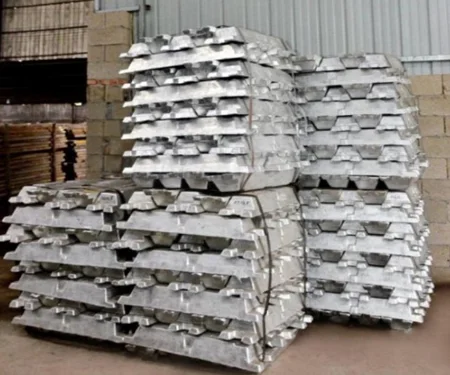
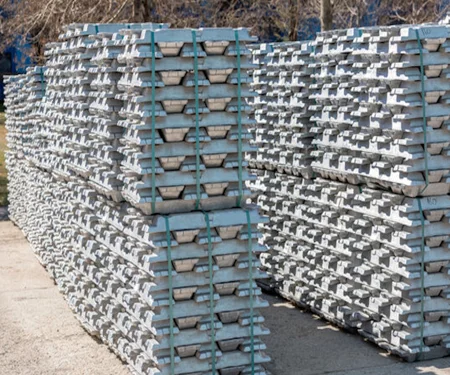
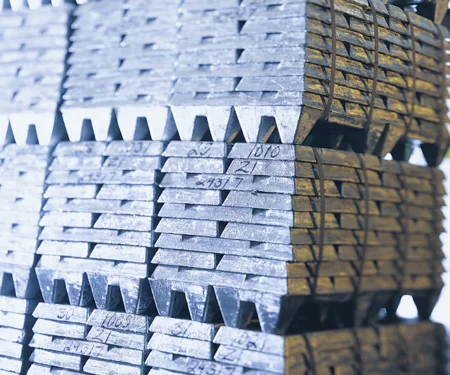
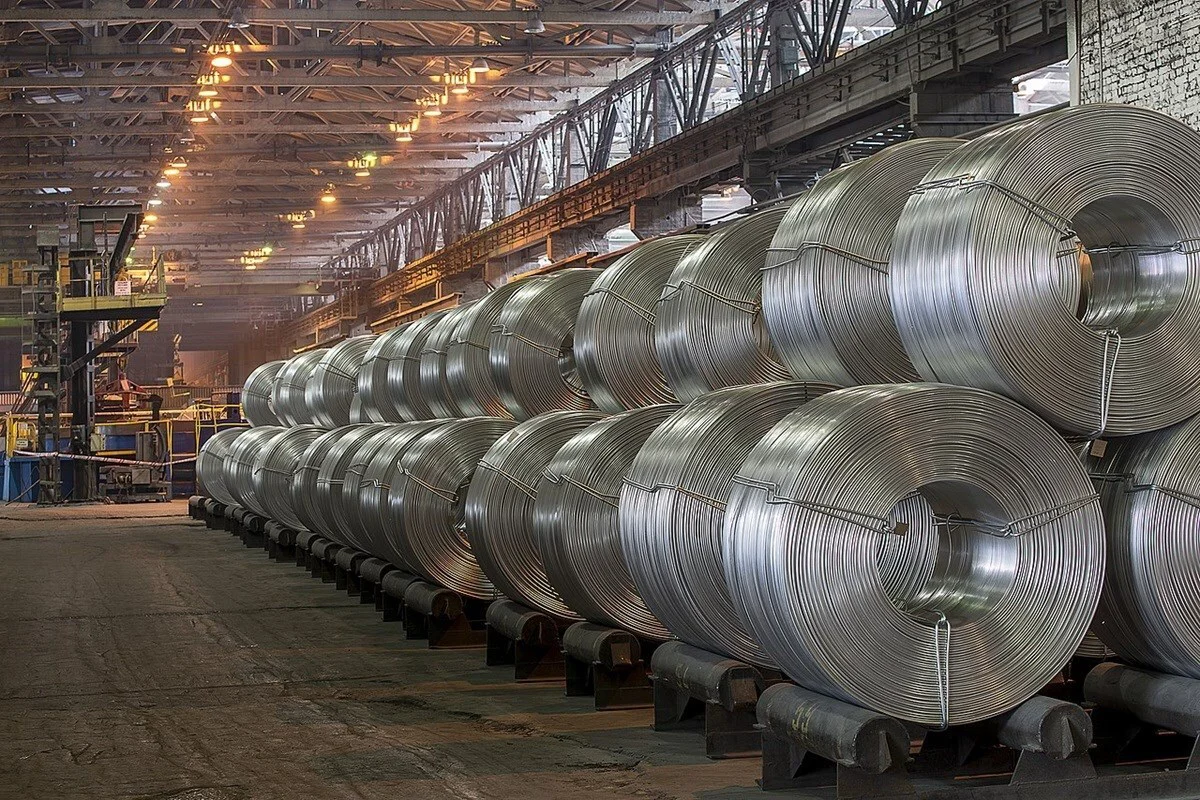
Note: This image is generic for representation purpose
Don't miss out- Buyers are looking for your products on our B2B platform

Oklahoma’s Burgeoning Aluminium Hub Gets Boost with Agreement Between U.S. Aluminum Company and EGA, Century Aluminum
Next articleAlcoa follows Century in turning aluminium smelters into data centres
Grow with
AL Circle