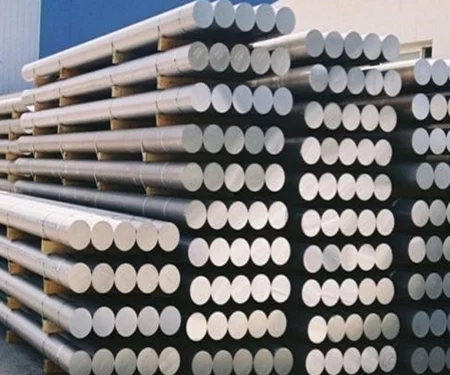
AiRC-1000 sets a new standard for aluminium smelters with laser technology and robotic automation

Automation Innovation based in Victoria, Australia, has designed and engineered the new AiRC-1000. The system features robotic automation and a high-intensity laser to clean anode rods used in aluminium smelters.
Aluminium is one of the world’s most abundant metals and is found naturally in bauxite. Whilst Australia is the world’s largest producer of bauxite; China is the leading producer of aluminium. Aluminium is highly sought-after in transportation; construction; electrical engineering; and machinery manufacturing sectors due to its low weight, durable, highly malleable, corrosion-resistant, conductive, affordable, and recyclable nature.
China, the United States, Germany, India, and Japan have the highest demand for aluminium. However, demand has dropped due to COVID-19 and industry revenue is expected to fall by 3.0% this year. Due to economic pressures and a need to remain competitive today and into the future, aluminium smelters face an unavoidable need to reduce energy costs and improve operational and production efficiencies. Smelters are turning to futuristic technologies to meet these challenges.

Hall-Héroult is the primary method of smelting aluminium today and consists of five process steps: adding bath and alumina; placing the anode rod; electrolysis; tapping; and primary casting. During the electrolysis stage, a high-energy electric current is passed through the pots via the anode. The current flows continuously from the anode rod(positive) through the alumina/cryolite mix to the lining of the pot (negative) and then onto the next pot. Electricity maintains the temperature of the process at ~950 °C and enables alumina to split into aluminium and oxygen.

To ensure optimum conductivity of the anode rods; smelters must regularly clean the rod surface. Currently, brushes attempt to clean the rods’ surface with inconsistent results; allowing contamination to build up and reduce the rod’s conductivity. On top of this, contact with the rods destroys the brushes causing a need for frequent replacement. These outdated cleaning methods result in increased electricity usage and higher operational costs.
Automation Innovation’s in-depth knowledge of the challenges the aluminium industry face led them to start their research so that smelters can utilise new technology to reduce electricity costs and improve production efficiencies.

Laser cleaning for a greener, intelligent and cost-efficient alternative
Automation Innovation’s AiRC-1000 machine offers aluminium manufacturers a new, cost-effective, and progressive alternative by combining high powered laser cleaning technology and robotic automation that facilitates optimum rod surface conductivity.
High-intensity laser light is used to clean the anode rod surface, removing only the contaminant without damaging the rod. Laser cleaning provides consistent cleaning results, major quality improvements and flexibility for different rod surface conditions.

Estimated return on investment of 12 and 18 months.
The AiRC-1000 delivers significant savings in power cost. The reduced resistance from laser cleaned rods lowers the voltage requirements in the smelting process through increased anode rod conductivity. Manufacturers will also benefit from eliminating premature wearing down of parts, no ongoing consumables, and no additional materials or chemicals required for a greener and safer preferred cleaning solution. The superior non-contact cleaning system requires less maintenance and substantially increases the lifespan of the anode rods.

Advanced Controls System and Robotic Automation.
Aluminium smelters can now have an autonomous cleaning system that is future proof with Industry 4.0 integrations and reporting. The advanced controls system has an intuitive user interface for operator ease of use. The system also allows for remote support and machine monitoring. The robotic cell automation enables operation in a 24/7 environment and is fully integrated into existing rodding lines. AiRC-1000 has flexibility for different rod geometries with the ability to clean symmetrical or asymmetrical rods. The system can also be tailored for single- or double-sided cleaning.
Laser manipulation is achieved with industrial robots that have been optimised to increase production output demands. The overhead conveyor input type of the AiRC-1000 can allow for a throughput of up to 500 anode rods per day. The process ensures cleaning consistency and repeatability.
Aluminium smelters can now be at the forefront of the aluminium industry with an autonomous cleaning system that utilises the latest technology in laser cleaning and robotic automation. They can also benefit from the substantial cost savings thanks to power usage reductions in the smelting process, and the convenience of the AiRC-1000’s ability to operate autonomously 24/7.
Automation Innovation is preparing to export the AiRC-1000 internationally. The rapid installation and commissioning of AiRC-1000 mean that aluminium smelters globally will not have to wait long to benefit from this technology.
Automation Innovation was formed in 2008 by Walter Meyler and Marcus Clarke, who have combined experience of over 45 years in the robotic and special purpose machine automation sector. Our hands-on approach enables us to address the needs of our customers. Today we are the first choice for some of Australia’s largest companies when they are considering automation and robotic projects. Automation Innovation delivers precision engineering, special-purpose machinery, tooling and automated solutions across a wide range of manufacturing sectors. We have worked with companies in the automotive, mining, marine, food packaging, glass, and defence industries.
A00 aluminium ingot price in China soars by RMB630/t to exceed RMB19000/t; Aluminium alloy (A356) price climbs by RMB600/t
Next articlePower curbs in China reduce 7% domestic annual aluminium capacity, shows Mackenzie
Grow with
AL Circle