ABx Group moves ahead with hydrogen fluoride project in Tasmania
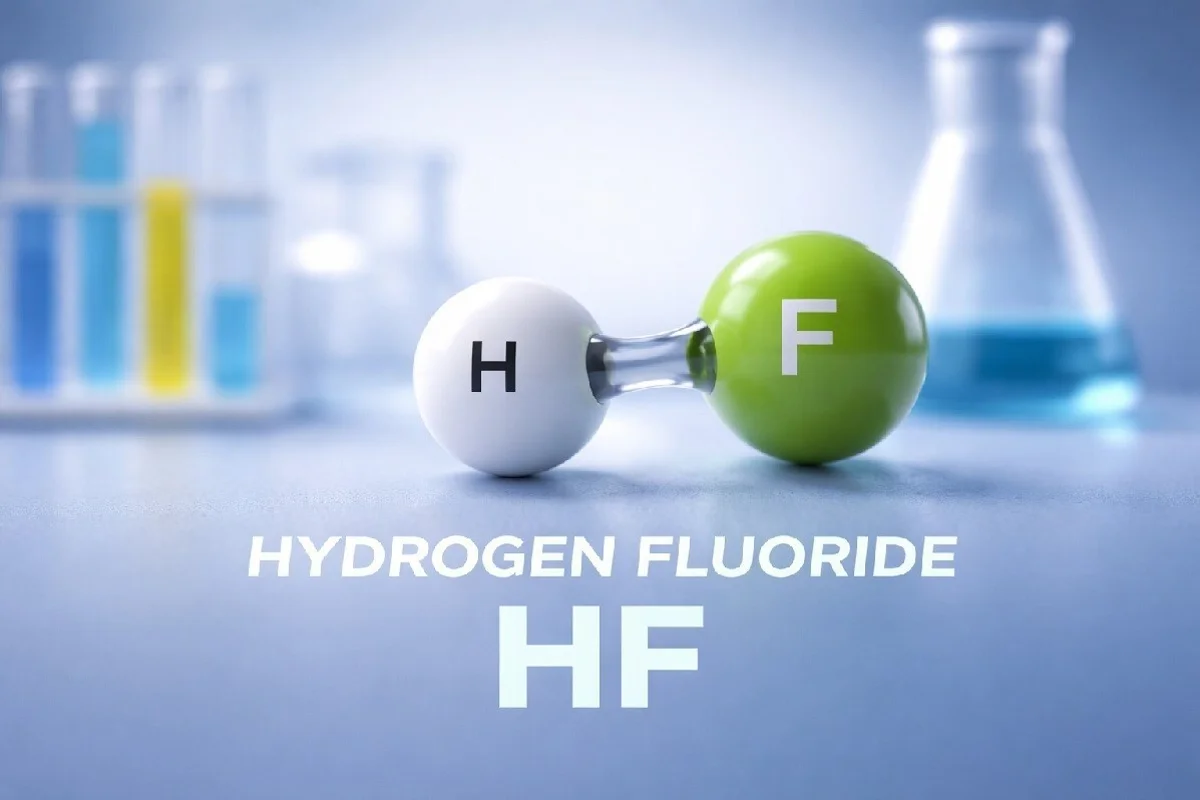
ABx Group has taken a step forward with its hydrogen fluoride (HF) pilot plant plans in Tasmania, after its subsidiary ALCORE submitted an Environmental Effects Report (EER). The project is being positioned as a way to reduce Australia’s reliance on imported fluorine-based chemicals, which are used across industries including aluminium production.
Hydrogen fluoride is used to produce aluminium fluoride, which is required in aluminium smelting, and is also used in refrigerants, fluoropolymers, and battery-related materials. On top of that, it plays a role in semiconductor and solar cell manufacturing, which makes it relevant beyond just heavy industry.
At the moment, the supply side is where the challenge lies. Hydrogen fluoride is produced from fluorspar, which comes from fluorite, and Australia currently does not mine fluorite or produce fluorspar or HF domestically. This means the country depends entirely on imports for these materials.
There is also a growing link to rare earths. Hydrogen fluoride is being looked at as part of processing methods for rare earth ores, and with demand for these minerals increasing, having access to such chemicals locally is becoming more important.
For 2026 aluminium market outlook, download our report TOC: Global Aluminium Industry Outlook 2026
Dr Mark Cooksey, Managing Director and Chief Executive Officer, ABx Group, said the EER submission reflects the company’s effort to integrate environmental considerations into the project from the early stages. According to him, this is important not just for compliance, but also for gaining wider acceptance.
Dr Cooksey also noted that ALCORE’s process could offer a practical solution to Australia’s current supply gap. The company is already in discussions with players in the fluorochemical and related industries, which could lead to future partnerships or off-take agreements. The global hydrogen fluoride market is estimated to be worth more than USD 3 billion, suggesting that local production could have both strategic and commercial benefits.
Project work is ongoing, including minor civil activities, upgrades to power infrastructure and the design and manufacture of specialised equipment, alongside broader plant development. Under the current schedule, equipment deliveries are expected to begin in April, with assembly planned across the second and third quarters of 2026 and commissioning targeted for late Q3 2026.
Fluorine and related materials are now widely recognised as critical minerals, and countries such as the United States, Europe, Japan and Canada have already flagged fluorspar as strategically important due to supply concerns and its industrial role.
Don't miss out- Buyers are looking for your products on our B2B platform

Image generated by AI for referential purose
The $4,000 price tag forecast: Iran’s blow to the global aluminium value chain
Next articleLME aluminium nears 4yr highs: Cash soars nearly 6% as Iran strikes EGA and Alba facilities
Grow with
AL Circle