3D printing to replace casting? Nikon SLM, Bosch unveil one-piece aluminium V8 engine block
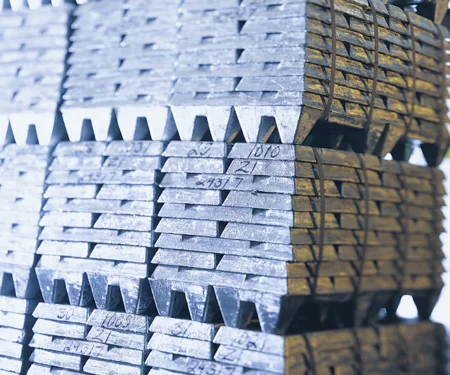
Stock image for referential purposes only
Nikon SLM Solutions and Bosch Industry Consulting have jointly manufactured a complete V8 engine block as a single aluminium component. It indicates the progress of the metal additive manufacturing (AM) system or 3D printing from prototype development to production.
The engine block has been produced in AlSi10Mg aluminium alloy using Nikon SLM's NXG XII 600 multi-laser AM system at the Bosch Additive Solution Center in Nuremberg, Germany. No longer relying on conventional casting processes, 3D printing’s growing capabilities can deliver complex automotive components.
Unlock in-depth insights into the extrusion segment of the global aluminium industry with The World of Aluminium Extrusions – Industry Forecast to 2032
Removing tooling, casting to expand design possibilities
Unlike traditional casting, which requires tooling and lengthy validation processes before production begins, additive manufacturing enables the component to be built directly from a digital design. It considerably reduces development time while allowing design modifications without any added expense of casting tool alteration.
The initiative also provides greater design flexibility. The one-piece engine block incorporates internal cooling channels, lightweight structural sections and several integrated features that would otherwise require multiple separate components.
Design for Additive Manufacturing (DfAM) principles were used for the layout. The material was placed only where structural performance required it, reducing overall weight without compromising strength.
According to the two companies, the new-generation engine block is considerably lighter than a conventional cast equivalent, making it particularly suitable for motorsport and high-performance applications.
Learn about the autonomous furnace tending in aluminium cast houses from RIA Cast House Engineering from the webinar Autonomous furnace tending in aluminium cast houses: Improving safety, productivity and yield
Supplier collaboration: A key to wider adoption
The project combined Bosch's automotive manufacturing expertise with Nikon SLM's additive manufacturing platform, materials qualification, process optimisation, application engineering, data preparation and quality assurance software.
The companies believe this type of collaboration will be essential for scaling additive manufacturing across the automotive industry. They noted that an estimated 60 to 80 per cent of components in a finished vehicle are supplied by Tier 1 and Tier 2 manufacturers rather than assembled directly by vehicle makers.
Consequently, Nikon SLM and Bosch remain confident that wider adoption of metal additive manufacturing will depend on suppliers integrating the technology into production, enabling it to complement conventional manufacturing rather than remaining confined to OEM development centres.
Unlock key insights from leading companies and experts across the aluminium ecosystem with our e-Magazine - Mine to Market: ALuminium Producers & Manufacturers 2026
From seized Chinese aluminium to giga-casting and new downstream plants, global value chain shifts gear
Next articleViohalco celebrates 25 years of Bridgnorth Aluminium ownership with completion of £180m investment drive
Grow with
AL Circle