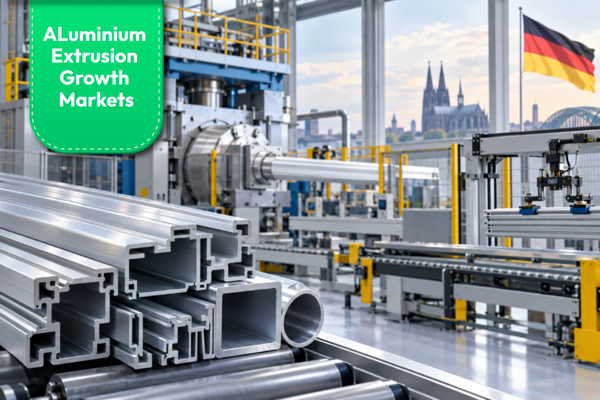
Aluminium Bahrain (Alba) is currently producing aluminium at an annualised rate of around 1.3 million tonnes, with the smelter operating at roughly 80 per cent of its pre-Iran war capacity, according to CEO Ali Al Baqali. Alba had a pre-war capacity of around 1.6 million tonnes per year, but production was disrupted after the outbreak of the war and restrictions around the Strait of Hormuz affected exports. The smelter was also hit by an Iranian attack in late March. The Bahrain-based producer is now operating Lines 4, 5 and 6, together representing annualised aluminium production of approximately 1.3 million tonnes, Al Baqali told Reuters on the sidelines of the Fastmarkets Aluminium Conference in Budapest on September 16. Al Baqali described the damage from the Iranian strike as minor...
For the past two decades, the US aluminium industry has been treading through a volatile path, with a domestic primary aluminium sector deteriorating at a rapid and alarming rate, and the number of operational smelters falling from around thirty to only four. Primary aluminum output was estimated at 660,000 metric tons in 2025, leaving the country heavily reliant on imports. The situation was compounded by the Section 232 tariffs on aluminum products, further blocking the inbound trade. The rebuilding of domestic capacity, therefore, is not only about restarting or constructing smelters. It also depends on the infrastructure and technology needed to transform molten aluminum into usable products, maintain ageing electrolysis assets, process scrap efficiently, and improve metal quality....
Grow with
AL Circle

Futures: Last night, the most-traded SHFE aluminium 2509 contract opened at RMB 20,715 per tonne, with a high of RMB 20,725 per tonne, a low of RMB 20,655 per tonne, and closed at RMB 20,670 per tonne. Trading volume was 39,000 lots, and open interest was 229,000 lots. Last night, LME aluminium opened at USD 2,612.5 per tonne, with a high of USD 2,613.5 per tonne, a low of USD 2,610.5 per tonne, and closed at USD 2,612.5 per tonne. Macro: (1) Reciprocal tariffs officially took effect, with Trump stating that billions of dollars would begin flowing into the US. (Bearish ★) (2) US Treasury Secretary Bessent said that the interview process for the new Fed Chairman had begun. Additionally, it was reported that Fed Governor Waller was considered a priority candidate for the Fed Chairman...

In a world racing toward decarbonisation, one metal that is quietly rewriting the rules of industrial sustainability is aluminium. Long valued for its strength and versatility, aluminium is now stepping into the spotlight as a cornerstone of the global green transition. From solar-powered smelters and electric furnaces to closed-loop scrap systems and low-carbon alloys, aluminium's evolution is no longer just industrial, it's ideological. Each year, approximately 30 million tonnes of aluminium scrap are recycled worldwide, a testament to its remarkable circularity. Nearly 75 per cent of all aluminium ever produced is still in use today, underscoring its longevity and unmatched recyclability. Sustainability & Recycling: Aluminium's Dual Commitment And this shift isn't happening in...

A UK aluminium casting facility facing repeated pump failures due to extreme water temperatures, which go up to 87°C, has successfully implemented a custom high-heat pumping solution developed by Wildon UK and KSB, ensuring uninterrupted operations. In recent times, A UK aluminium ingot supplier encountered recurring pump failures in its casting pit due to excessively high process water temperatures surpassing standard submersible pump thresholds. Recognising the operational risk, the company engaged Wildon UK, which collaborated with KSB to engineer a customised high-performance pumping solution. The underlying challenge The casting process demanded the return of cooling water from the pit, where temperatures consistently reached 80°C and occasionally spiked to 87°C, far exceeding the...

Despite a recent breakthrough in the EU-US tariff standoff, Europe’s aluminium recycling industry is sounding the alarm over a worsening crisis: the continued surge in aluminium scrap exports from the continent. While the deal marked a diplomatic easing of trade tensions, it left a critical issue unresolved, a widening market distortion that risks undermining Europe’s access to essential raw materials. The problem lies the current tariff structure. Under the revised agreement, aluminium products exported from the EU to the US still face steep tariffs of 50 per cent, whereas aluminium scrap is subject to a far lower tariff of 15 per cent. This disparity, industry leaders argue, creates a strong incentive to export scrap instead of higher-value products draining Europe’s recycling ecosystem...

AL Circle, the world’s leading digital media platform dedicated to the global aluminium value chain, proudly announces the launch of its latest industry report titled “ Aluminium Flat Rolled Products: Insights & Forecast to 2030 .” With growing momentum in sustainability, green mobility, lightweighting, and infrastructure development, aluminium flat rolled products (FRPs) have emerged as a core enabler across multiple end-use sectors. This comprehensive study offers data-driven insights, trend analysis, and forward-looking perspectives essential for stakeholders navigating this dynamic market. Why this report matters The global aluminium FRP industry stands at the crossroads of technological transformation, geopolitical shifts, and evolving sustainability standards. From beverage cans and...
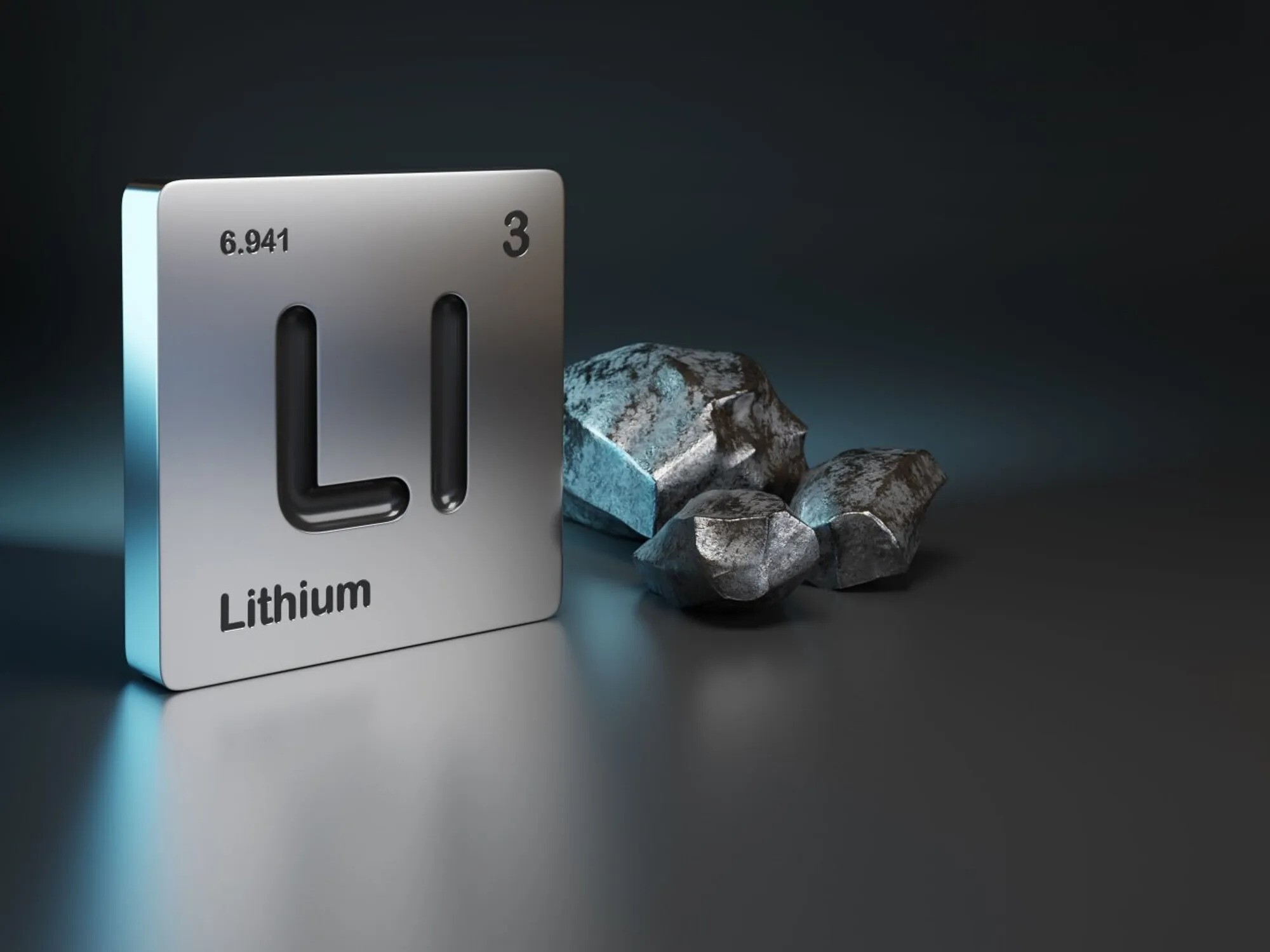
Lithium metal holds a critically important position in modern industry and science and technology, with extensive applications in lithium-ion batteries, chemicals, pharmaceuticals, ceramics, nuclear industry, aerospace, and metallurgy. I. Key applications 1. Lithium-ion battery materials Technical principles and core advantages: The lithium metal anode offers advantages such as high specific capacity and high operating voltage, which can enhance the energy density and charging speed of lithium-ion batteries, making it the future direction for anode development. Traditional graphite anode materials exhibit good cycling performance but low theoretical capacity, while silicon-based anodes have high theoretical capacity but suffer from excessive expansion during charging and discharging....

The protectionist tariff strategy once touted by US President Donald Trump to revitalise domestic aluminium and steel production appears to be yielding the opposite effect - at least in early 2025. Industry indicators point to a clear downturn, with aluminium demand and production trending downward during the first quarter of the year. Image credit: Aluminum Association PMI signals early warning The first signs of contraction came from industrial sentiment. Both the US and Canadian Purchasing Managers’ Indexes (PMI) dipped below the critical 50-point threshold in March 2025, registering at 49 and 46.3, respectively, indicating a shrinking manufacturing sector. Historically, a PMI below 50 signals a downturn in production and purchasing activity, which typically correlates with weakening...

Emirates Global Aluminium (EGA), the world’s largest producer of premium aluminium, and Emirates Nuclear Energy Company (ENEC) have announced the UAE’s first delivery of aluminium manufactured using electricity generated from the Barakah Nuclear Energy Plant in Abu Dhabi’s Al Dhafra region. Image Source: EGA The breakthrough product, branded MinimAL, marks a significant step forward in the decarbonisation of heavy industry in the UAE and globally. The first batch of this low-carbon aluminium will be supplied to CANEX Aluminum, Egypt’s leading aluminium downstream producer, for use in infrastructure, solar energy, transportation, and architectural applications. Decarbonising aluminium through nuclear power Electricity generation accounts for around 60 per cent of the global aluminium...

A new protocol has been signed between India and Russia with the sole aim of deepening the industrial cooperation concerning aluminium, railways and the mining sector. At the 11th session of the India-Russia Working Group on Modernisation and Industrial Cooperation, both nations reaffirmed their commitment to strengthening bilateral collaboration across key sectors. Discussions highlighted increased engagement in aluminium , fertilisers and railway transport, along with mutual focus on capacity building and technology transfer in mining equipment, exploration and industrial and domestic waste management. As per the Ministry of Commerce and Industry, the discussion between the two countries was conducted under the framework of the India-Russia Intergovernmental Commission on Trade,...

Rio Tinto has approved a USD 180 million investment for the development of the Norman Creek project at its Amrun bauxite mine on Queensland’s Cape York Peninsula. Image source: Rio Tinto The initiative aims to access approximately 466 million tonnes of high-grade bauxite representing nearly half of Amrun’s 978 million tonne declared reserves with an average alumina content of 54.4 per cent. Work is already underway on key infrastructure, including a 19km haul road, accommodation facilities, and a communications tower. Production is expected to begin in 2027, with full construction completion anticipated by 2028. Rio Tinto Managing Director of Pacific Operations Aluminium Armando Torres said, “Norman Creek is another important step in securing the long-term future of our Weipa operations,...

The sharp hike in aluminium tariffs under the Trump administration, from 25 per cent to 50 per cent, has significantly disrupted the aluminium industry and its dependent sectors, directly impacting corporate earnings. The beverage industry, in particular, has felt the strain. Molson Coors, which previously reported an 11.3 per cent decline in net sales for Q1 , has now released its Q2 results, indicating plans to revise its financial outlook downward due to continued softness in beer demand and the mounting pressure from aluminium tariffs. Q2 financial results Molson Coors in the second quarter reported a 1.6 per cent decline in net sales on a reported basis and a 2.6 per cent decrease in constant currency. The US GAAP income before income taxes fell by 0.9 per cent to USD 554.9 million,...

LME aluminium prices saw modest gains on August 6, with both spot and forward contracts reflecting upward momentum. Inventory levels also continued to rise, signalling a gradual build-up in supply. The LME aluminium cash bid price rose to USD 2,589 per tonne on August 6, marking a 0.84 per cent increase from USD 2,567.5 per tonne on August 5 . The cash offer price climbed by 0.84 per cent as well, from USD 2,568 per tonne to USD 2,589.5 per tonne. The 3-month bid price increased by 0.98 per cent, from USD 2,566 per tonne to USD 2,591 per tonne, while the 3-month offer price rose by 0.92 per cent, from USD 2,568 per tonne to USD 2,591.5 per tonne. Looking further ahead, the December 26 bid price jumped to USD 2,652 per tonne, up 1.03 per cent from USD 2,625 per cent while the December 26...

Who says aluminium is used only for machinery and factories? Now it’s also finding its way to furniture- literally! Norwegian brand Vestre is making it possible by turning recycled aluminium into sustainable and eco-friendly furniture. Vestre, a Norway-based furniture maker, would be using the recycled aluminium material from Hydro Circal aluminium produced in Michigan to manufacture its furniture in the market of North America. In the European market, Vestre has already produced KINN model chairs and tables using the recycled aluminium from Hydro Circal. Now, Vestre intends to use the recycled aluminium from Hydro’s facility in Cassopolis, Michigan, to manufacture its KINN products. The main motive of Vestre is to manufacture products “closer to the markets it serves, reducing emissions...

Eden Renewables, a renewable energy developer whose headquarters are in Troy, New York, USA, has received a unanimous planning consent from Braintree District Council for its proposed 13.8 MWac Sheepcote Solar Farm. This farm is close to Cressing in Essex, England. The consent came with glowing endorsements from the councillors, one saying, "If Carlsberg did solar farms," and another described it as "a beautiful proposal". Eden celebrated the planning approval with a post on its LinkedIn page, revealing, “Good to see a rational, constructive and objective assessment of the application from the council's planning team and a testament to all the hard work and skills of our team and the many consultants who supported them – thank you.” Agri-Solar and biodiversity at the heart of the plan...

India’s alumina trade landscape is witnessing a significant transformation, driven by expanding domestic capacity and a strategic shift away from traditional suppliers like Bahrain. The shift comes amid rising domestic alumina production and stabilising global market conditions, prompting Indian refiners to re-evaluate where and how they procure this essential input for aluminium smelting. According to data from the Ministry of Commerce, India imported just 155,563 tonnes of alumina during the financial year April 2024 to March 2025, a steep 66.27 per cent decline from the 461,078 tonnes recorded the previous year. This dramatic drop reflects both improved domestic output and a changing approach to trade partnerships. Monthly data further underscores this shift. Between January and May...

According to SMM statistics, domestic aluminium production in July 2025 (31 days) increased by 1.05 per cent Y-o-Y and 3.11 per cent M-o-M. The operating aluminium capacity in China increased slightly M-o-M in July, mainly due to the start-up of the aluminium Phase II replacement project in Shandong-Yunnan. Due to the strong off-season atmosphere in the end-use market, alloy production in various regions decreased significantly. As a result, the proportion of liquid aluminium in domestic aluminium smelters in July declined significantly, with the industry's proportion of liquid aluminium sliding 2.06 percentage points M-o-M to 73.77 per cent. Based on SMM's data on the proportion of liquid aluminium, it is estimated that the domestic casting aluminium ingot volume in July decreased by...

ReciclaBR Latasa has achieved ASI Performance Standard V3.1 (2023) with Provisional status for production activities involved in the recycling of aluminium at their ReciclaBR Latasa P3 facility, located in Itaquaquecetuba, São Paulo, Brazil. Aluminium Stewardship Initiative (ASI) today announced that ReciclaBR Latasa has been certified against the ASI Performance Standard V3.1 (2023). The facility processes more than 330,000 tonnes of aluminium annually and serves downstream sectors including automotive, steel, metallurgical, packaging and consumer goods. It is equipped with rotary and stationary furnaces as well as a conveyor system for casting ingots, SOW plates and drops. The ASI Certification program was developed through an extensive multi-stakeholder consultation process and is the...

Aluminium Bahrain B.S.C. (Alba), the world's largest aluminium smelter at one site, announced its financial results for Q2 and the first half of 2025, revealing a large fall in profitability alongside modest revenue growth since the same time last year. Tariff pressure, escalated alumina prices, and sluggish aluminium demand were some of the critical factors that contributed to the downtick in Alba’s Q2 fiscal outcome. Profit for Q2 2025 was BD24.6 million (USD 65.3 million), which reflected a downfall of 64 per cent Y-o-Y from BD 68.5 million (USD 182.2 million) last year. The profit for the first half of 2025 was also down by 54 per cent Y-o-Y to BD 42.7 million (USD 113.5 million). Earnings per share fell from fils (1 fil = AED 8.717.) 48 last year to fils 17 this year. In contrast,...