






India’s manufacturing story is no longer limited to cost advantage. It is increasingly about precision, capability, global partnerships and the confidence to serve demanding industrial sectors. Taural India’s feature as a Harvard Business School case study brings that shift into focus.
The case study follows the journey of Bharat Gite, Founder and CEO of Taural India and how the company built a high-precision aluminium casting business in India through a joint venture with Germany-based Thoni Alutec. Founded in 2016, Taural India has grown into a specialised aluminium sand casting manufacturer with two facilities and a growing global footprint.
Why this case matters
Taural India’s story matters because it goes beyond one company’s recognition. It reflects a larger change in how India is being viewed in global supply chains. The country is no longer seen only as a support base. It is being considered a serious destination for advanced manufacturing and long-term industrial investment.
The Harvard Business School case, authored by Professor V.G. Narayanan, studies how first-generation entrepreneurs can build globally competitive enterprises in capital-intensive industries, even without legacy advantages or established industrial networks.
Building from capability, not comfort
The company’s journey highlights a few important business lessons:
- Strong global collaboration can accelerate technical capability
- Local execution is critical for scaling in emerging markets
- Precision manufacturing needs discipline, patience and process control
- Indian manufacturers can compete globally when quality is built into the foundation
- Capital-intensive industries reward long-term thinking, not shortcuts
This is where Taural India’s positioning becomes relevant for the aluminium sector. Aluminium casting is not just about producing components. It requires consistency, engineering depth, quality assurance and the ability to meet sector-specific expectations.
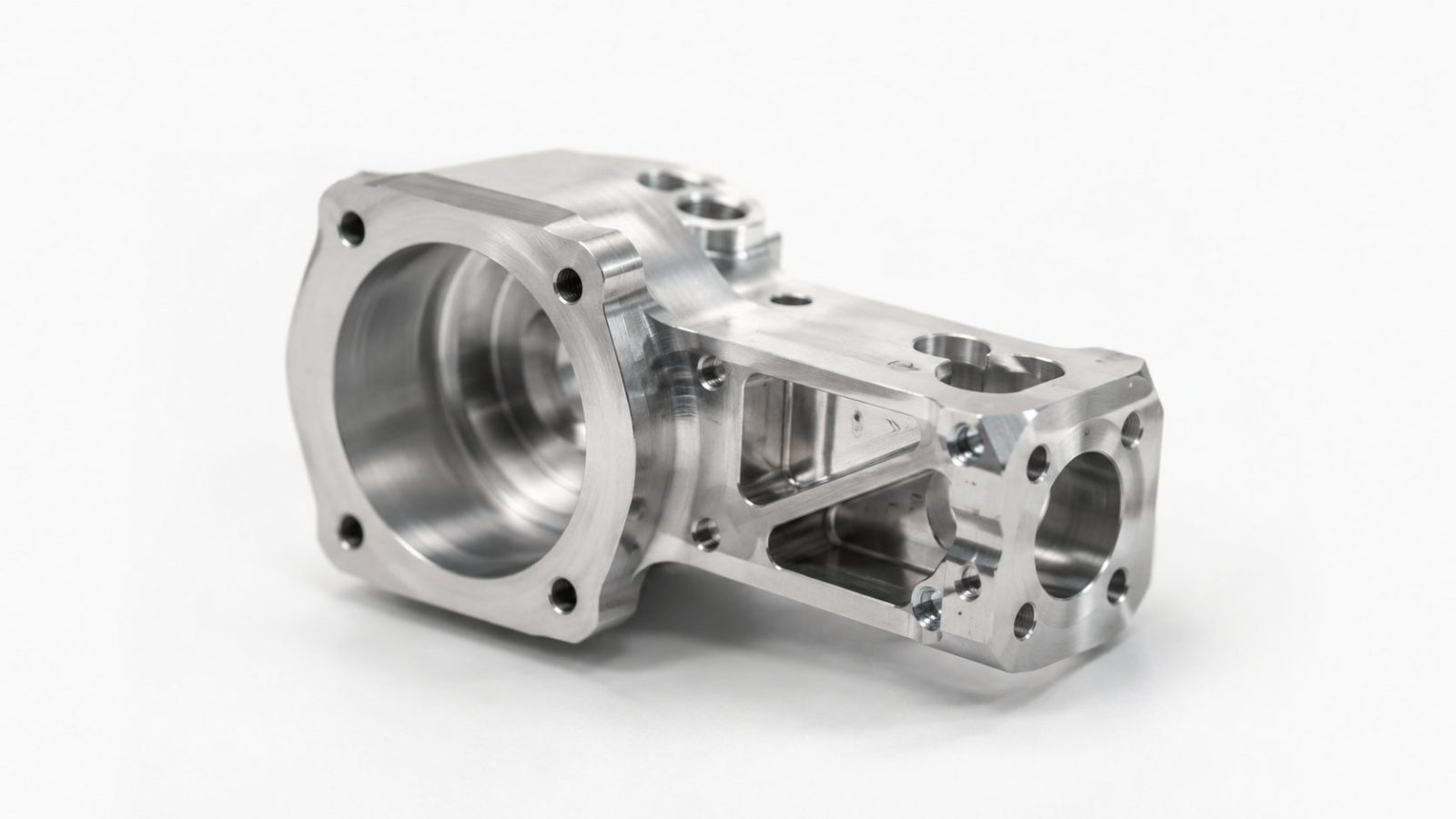
Image used for representational purpose
Serving high-value sectors
Taural India’s manufacturing platform serves sectors such as energy, railways, defence and aerospace. These are not low-entry markets. They demand reliability, technical accuracy and compliance with strict performance expectations.
That makes the company’s inclusion in a Harvard Business School case study more than a branding milestone. It signals that Indian aluminium manufacturing is entering a more serious phase, where global relevance is built through capability rather than claims.
India’s manufacturing moment
The timing is also important. Global supply chains are being reshaped and the China+1 strategy has pushed companies to look for reliable manufacturing alternatives. India has a real opportunity here, but only companies that can prove quality, scale and execution will benefit.
Taural India’s case shows what that opportunity looks like when ambition is backed by manufacturing discipline. For the aluminium industry, it is a reminder that the next phase of growth will not come from volume alone. It will come from precision, partnerships and globally trusted execution.


 Voyagerman Technology


