







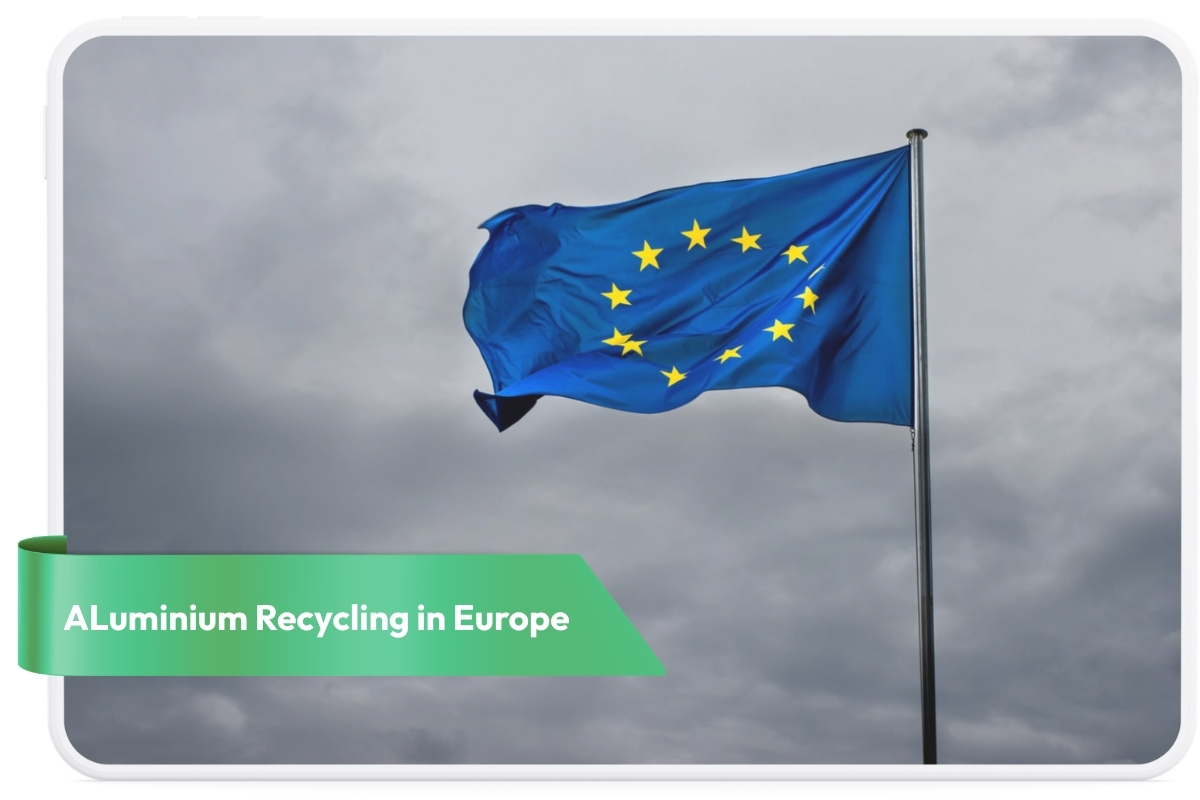
Europe’s recycling industry has long occupied a unique position within the continent’s industrial landscape. It is both an environmental service and a strategic manufacturing sector, transforming waste into valuable secondary raw materials while helping industries reduce emissions and resource consumption. Yet as the European Union strengthens its climate ambitions through the revised Emissions Trading System (EU ETS), recyclers are facing a rapidly evolving policy environment that presents both opportunities and challenges.
Recycling within the climate crosshairs
The EU ETS remains the cornerstone of Europe’s climate policy, designed to reduce greenhouse gas emissions through a cap-and-trade mechanism that places a price on carbon. Reforms adopted as part of the EU’s Fit for 55 package, a set of legislative reforms designed to reduce the EU’s net greenhouse gas emissions by at least 55 per cent by 2030, significantly increase the pace of emissions reductions while expanding the system’s scope and reducing the availability of free allowances. While much attention has focused on energy-intensive industries such as steel, cement and aluminium, the implications for the recycling sector are equally significant.
At first glance, recyclers appear well-positioned to benefit. Recycling generally requires far less energy than producing materials from primary resources. In the aluminium sector, for example, recycled aluminium can require up to 95 per cent less energy than primary production. Similar advantages exist across steel, copper, paper and plastics. As carbon prices rise, manufacturers will increasingly seek lower-emission inputs, making recycled materials more attractive from both environmental and economic perspectives.
This shift could strengthen demand for secondary raw materials across Europe. Companies seeking to reduce their carbon footprint and prepare for stricter sustainability reporting requirements are likely to prioritise recycled content in their supply chains. For recyclers, this represents a significant market opportunity. The revised ETS effectively increases the value of carbon savings, creating stronger incentives for industries to substitute primary materials with recycled alternatives.
However, the picture is not entirely straightforward.
Many recycling operations are themselves energy-intensive. Metal shredding, sorting, remelting, processing and advanced material recovery require substantial amounts of electricity. As carbon costs are passed through the energy system, recyclers may face higher operating expenses. For businesses already operating on tight margins, rising electricity costs could erode competitiveness, particularly in sectors where global competition is intense.
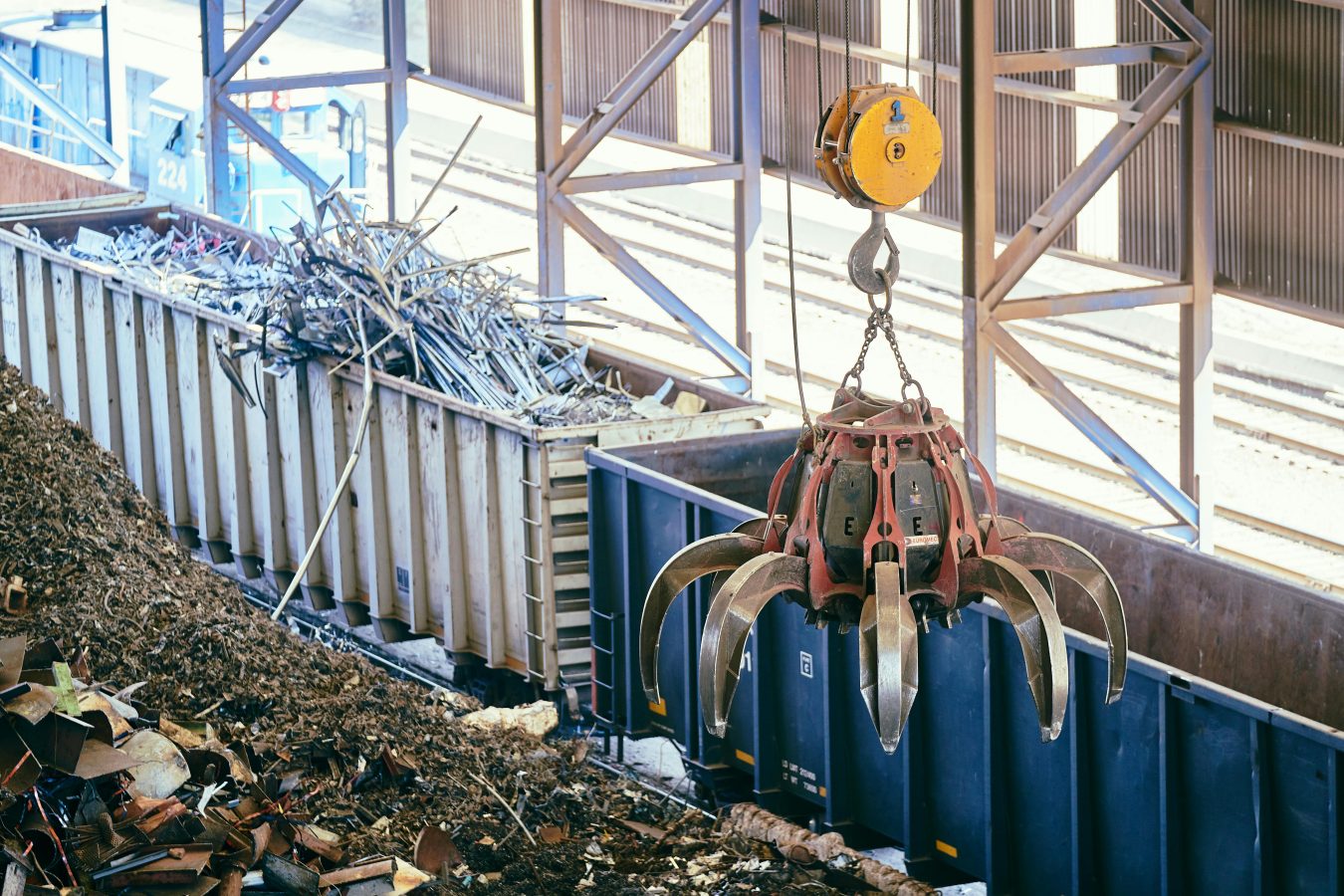
Picture credit: Willians Huerta
This challenge is particularly relevant for aluminium recyclers. Europe has worked hard to establish a circular aluminium value chain, recognising the material’s strategic importance for transport, construction, packaging and renewable energy technologies. Yet secondary aluminium production remains highly dependent on affordable and reliable energy. If energy costs continue to rise faster than investment in low-carbon power generation, some recycling facilities could face increasing financial pressure despite the environmental advantages they provide.
The introduction of the Carbon Border Adjustment Mechanism (CBAM) adds another layer of complexity. Designed to prevent carbon leakage by applying a carbon price to certain imports, CBAM will gradually reshape global material flows. While the mechanism primarily targets primary industrial products, its broader impact could influence demand patterns throughout recycling markets.
On the one hand, CBAM may strengthen European demand for locally produced recycled materials by increasing the relative cost of carbon-intensive imports. On the other hand, recyclers remain concerned about international competitiveness. Many secondary raw material markets operate globally, and policymakers must ensure that climate regulations do not inadvertently encourage the export of valuable recyclable materials to jurisdictions with lower environmental standards.
Strategic autonomy and resource security
The revised ETS also intersects with Europe’s growing focus on strategic autonomy and resource security. The COVID-19 pandemic, geopolitical tensions and supply chain disruptions have highlighted the risks associated with dependence on imported raw materials. Recycling has emerged as a critical component of the EU’s strategy to secure access to essential materials while reducing environmental impacts.
This is particularly important for aluminium. Demand for aluminium is expected to increase significantly as Europe accelerates the deployment of electric vehicles, renewable energy infrastructure, and low-carbon construction materials. Meeting this demand sustainably will require both primary production and significantly higher levels of recycling. The revised ETS reinforces this objective by increasing the economic value of low-carbon production pathways.
Beyond economics, the policy changes may accelerate innovation throughout the recycling industry. As carbon costs rise and sustainability requirements become more demanding, investment in advanced sorting technologies, digital tracking systems, artificial intelligence and energy-efficient processing methods is likely to increase. These innovations could improve material recovery rates, reduce operational costs and enhance the quality of recycled outputs.
Yet policymakers must recognise that recycling infrastructure requires long-term investment certainty. The transition to a circular and low-carbon economy will not occur automatically. Regulatory stability, access to financing, affordable renewable energy and supportive industrial policies will be essential if Europe is to fully capture the environmental and economic benefits of recycling.
The recycling industry is no longer simply a waste management sector. It has become a strategic enabler of Europe’s climate, industrial and resource security objectives. The revised EU ETS reflects this changing reality by placing greater economic value on carbon efficiency and circularity. For recyclers, this creates substantial growth opportunities, particularly in sectors such as aluminium, where recycled materials deliver significant emissions reductions.
Success is not guaranteed
However, success is not guaranteed. Rising energy costs, global competition and evolving regulatory requirements present real challenges that must be carefully managed. The winners will be those companies able to combine operational efficiency, technological innovation, and sustainable production practices.
Ultimately, the revised EU ETS represents more than a climate policy reform. It is a signal that Europe’s future industrial competitiveness will increasingly depend on circularity, resource efficiency and low-carbon production. For the recycling industry, the message is clear: The transition is accelerating and those prepared to adapt stand to play a central role in Europe’s next industrial chapter.
Also read: Europe’s revised carbon market risks imposing costs without consent
Read all the latest developments in Europe’s aluminium recycling industry: Click here



 Voyagerman Technology


