








Aluminium dross is often treated as a waste stream. That can be a costly mistake. Fresh dross can contain a significant amount of metallic aluminium. If it is left hot for too long, that metal continues to oxidise. What starts as recoverable aluminium can gradually become oxide-rich material with much less metal value. This makes aluminium dross cooling more than a handling issue. It is a metal recovery issue.
Rapid cooling can stop much of this ongoing oxidation soon after dross is removed from the furnace. Rotary cooling systems take this approach further by cooling and conditioning the dross in a controlled process, making it easier to handle and send for downstream recovery.
For aluminium producers, the business case is straightforward: the faster valuable aluminium is protected from oxidation, the more metal there is available to recover.
What is aluminium dross?
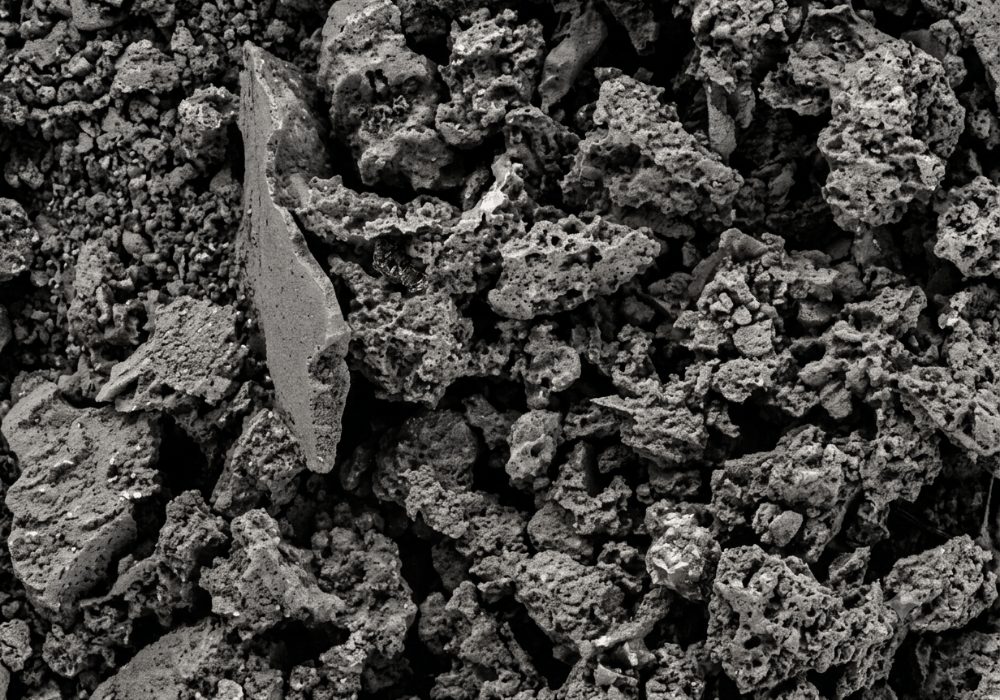
Aluminium dross is the material that forms on the surface of molten aluminium during melting and holding. It contains aluminium oxides and other reaction products, along with metallic aluminium trapped within the dross.
The amount of free metal can vary widely depending on the alloy, furnace operation, skimming method and process conditions.
The important point is that dross is not simply waste.
Fresh dross can contain a substantial quantity of recoverable aluminium. Casthouse Engineering and Technology AG (CETAG), for example, notes that material discharged into dross boxes can frequently contain more than 60% metal by weight. If the hot dross is left in boxes or dumped on the ground, its metal content can fall sharply as oxidation continues.
CETAG cites an example in which dross containing about 60% metal can deteriorate to around 30% metal content in a short period.
That difference represents a direct financial loss.
The exact loss in any plant will depend on its dross composition and operating conditions. So these figures should not be treated as a universal dross composition. But they show why the time between skimming and cooling matters.
The hidden cost of poor dross management
Dross management affects more than waste disposal costs.
When hot dross sits in a box, several things can happen:
- Metallic aluminium remains exposed to oxygen.
- Oxidation continues while the dross is still hot.
- The dross can remain reactive for longer.
- Valuable metal becomes locked into oxide-rich material.
- Operators have to handle hot, unstable material.
- More downstream processing may be needed to recover the remaining metal.
There is also a plant-safety concern.
Fresh aluminium dross can remain at very high temperatures after it is removed from the furnace. If it is allowed to react and heat up further, it can create difficult conditions for operators and equipment. Uncontrolled reactions can also produce fumes and other hazards.
This is why cooling should happen as part of the dross handling process, rather than being treated as something that happens naturally after the material has been placed in a box.
The basic principle is simple:
Hot dross + time + oxygen = continued metal loss.
Rapid cooling aims to shorten that period.
Why rapid cooling matters for metal recovery from aluminium dross
Aluminium reacts with oxygen to form aluminium oxide. When metallic aluminium remains in hot dross, oxidation can continue after the material has been skimmed from the furnace.
Cooling the dross quickly reduces the time available for this reaction.
This is the main reason dross cooling technology has a direct link with metal recovery from aluminium dross.
A conventional approach may involve placing hot dross into a box and allowing it to cool naturally. That can take much longer than a controlled cooling process. During this period, the dross is still hot and reactive.
A rotary dross cooler changes the sequence.
- The hot dross is transferred into a dedicated cooling system.
- Heat is removed rapidly.
- Once the material has been cooled below the range where significant oxidation and thermiting remain a concern, it can be handled and processed more safely.
The result is not that every kilogram of dross becomes recoverable aluminium. It does not.
Instead, the purpose is to preserve more of the metallic aluminium that was already present when the dross was skimmed.
That distinction matters when evaluating an aluminium dross processing equipment investment.
What is a rotary dross cooler?
A rotary dross cooler is equipment designed to cool hot aluminium dross rapidly while it moves through a rotating drum or cooling chamber.
The rotation helps expose the dross to the cooling surface. At the same time, the system removes heat and moves the material towards the discharge point.
CETAG’s Rotary Dross Cooling System uses a three-way cooling method. According to the company, hot dross can be cooled to below 100°C in about 15 minutes. The system is designed to bring the material quickly below the oxidation range so that the aluminium percentage in the cooled dross remains approximately at the level it had when skimmed from the furnace.
The cooled material can then be discharged through screens and sorting equipment, depending on the required downstream separation by size or alloy.
This combines two useful steps:
- Rapid cooling to protect the metal
- Conditioning of the dross for further processing
CETAG also states that its system cools dross to below 100°C within 15 minutes and reduces it to a granulated form that is easier to handle during subsequent processing.
How does a rotary dross cooler work?
The operating principle is easier to understand than the equipment itself.
1. Hot dross leaves the furnace
Dross is skimmed from the molten aluminium and transferred to the cooling system with as little delay as possible.
This first step is important. A cooling system cannot recover metal that has already been lost through oxidation before cooling begins.
2. The dross enters the rotating drum
Inside the rotary cooler, the dross moves through a rotating drum.
Rotation keeps the material moving and helps expose different surfaces of the dross to the cooling system.
3. Heat is removed rapidly
In CETAG rotary dross cooler’s design, the outer surface of the cooling drum is continuously covered with water. The company describes this as part of its three-way cooling method, which is designed to provide rapid heat transfer. A vapour hood captures water vapour, while dust extraction is used around charging and discharge areas.
4. The material reaches a safer temperature
CETAG dross cooling technology specifies a cooling target of below 100°C in approximately 15 minutes.
The exact cooling performance of any system will depend on the dross, throughput, initial temperature and equipment configuration. But the principle remains the same: remove heat quickly rather than allowing the dross to cool slowly in storage.
5. Cooled dross moves to recovery
Once cooled, the dross can be screened, sorted, crushed or sent to another recovery stage, depending on the plant’s process.
This makes the cooler part of a wider aluminium dross processing equipment setup rather than an isolated machine.
Aluminium dross cooling: Slow cooling vs rapid rotary cooling
The difference can be viewed in terms of both metal value and handling.
| Factor | Slow cooling in boxes | Rapid rotary cooling |
| Cooling speed | Relatively slow | Controlled and rapid |
| Oxidation exposure | Longer | Reduced |
| Metallic aluminium retained | Can decline during cooling | Designed to preserve more of the original metal |
| Material handling | Hot dross remains in boxes | Cooled material can be discharged in a controlled way |
| Downstream processing | May require additional handling | Material can be conditioned for further recovery |
| Plant environment | Prolonged exposure to hot dross | Faster transition to a cooler, more manageable material |
| Recovery potential | Metal may be lost before processing | More of the initial metal can remain available |
Note: The table is a process comparison, not a guaranteed recovery result. Actual recovery depends on the dross composition, furnace operation, cooling time, separation method and other plant conditions.
How much metal can be recovered from aluminium dross?
There is no single recovery percentage that applies to every plant.
The starting metal content of dross can vary significantly. So can the amount of metal lost during cooling and the efficiency of the recovery process that follows.
The most useful way to look at the problem is to compare metal available at the point of skimming with metal remaining when the dross reaches the recovery stage.
For example, consider 1,000 kg of fresh dross.
If the material initially contains 60% metallic aluminium, that represents approximately:
1,000 kg × 60% = 600 kg of metallic aluminium
If poor cooling and oxidation reduce the metal content to 30%, only:
1,000 kg × 30% = 300 kg of metallic aluminium
would remain in that simplified example.
That is a potential difference of 300 kg of metal before the downstream recovery stage even begins.
Note: This is an illustration based on CETAG’s cited 60%-to-30% example, not a claim that every plant experiences the same change.
And this is where the financial argument becomes clear.
If a plant produces large quantities of dross every day, even a relatively small improvement in retained metal can represent a meaningful annual quantity of aluminium.
What about salt slag cooling?
Salt slag is related to aluminium recycling but should not be treated as exactly the same material as furnace dross.
Salt slag is generated when salt fluxes are used during aluminium melting and treatment. It contains salts, aluminium compounds and, depending on the process, residual metallic aluminium.
Its handling and processing requirements are different.
For plants that generate both dross and salt slag, the cooling strategy should therefore be based on the actual material stream and downstream process.
The goal remains similar: control the material safely, minimise unnecessary metal loss and prepare it for appropriate recovery.
A plant should not assume that a cooling system designed for one residue stream will automatically be suitable for another.
The ROI case for aluminium dross cooling
A dross cooler should not be assessed only on its purchase price.
The better question is:
How much additional aluminium can the plant retain and recover because the dross is cooled faster?
A simple ROI model can start with five numbers:
- Annual dross generation
- Initial metallic aluminium content
- Current metal loss during cooling and storage
- Expected improvement in retained metal
- Net value of recovered aluminium
For example:
Annual additional metal retained × net aluminium value = potential annual recovery value
Then compare that figure with:
- Equipment investment
- Installation costs
- Energy and water consumption
- Maintenance
- Labour
- Dust extraction requirements
- Other operating costs
This gives a more useful picture than looking at equipment price alone.
A practical plant calculation
Suppose a plant produces 10,000 tonnes of dross a year.
If a cooling improvement ultimately preserves an additional 2% of metallic aluminium in the material sent for recovery, that would represent:
10,000 tonnes × 2% = 200 tonnes of additional metal
The value of those 200 tonnes will depend on the aluminium price, alloy, recovery route and other commercial factors.
This is why a plant-specific material balance is important before making an investment decision.
A good feasibility study should measure the existing dross stream rather than rely on a generic recovery percentage.
Cooling also improves plant safety
The financial benefit is only one side of the equation.
Hot dross creates a difficult working environment. Operators may need to move, monitor or process material that remains at a very high temperature.
Rapid cooling can reduce the time that the material remains in this state.
CETAG’s rotary system includes a vapour hood and dust extraction around charging and discharge areas. The company’s design is intended for the demanding operating conditions found in aluminium casthouses.
This does not remove the need for proper safety procedures. Dross handling still requires suitable aluminium dross processing equipment, training, ventilation, housekeeping and operating controls.
But moving from uncontrolled cooling to controlled cooling can make the process easier to manage.
How do you recover aluminium from dross?
The recovery route depends on the dross type and the equipment available at the plant.
A typical process can include:
- Rapid cooling to limit further oxidation.
- Granulation or crushing to break up the cooled dross.
- Screening and separation to classify the material.
- Metal recovery using an appropriate separation or remelting process.
- Residue treatment for the remaining oxide-rich fraction.
The exact process may differ from one casthouse to another.
The key point is that cooling comes early in the recovery chain.
If valuable aluminium is lost through oxidation before separation begins, no downstream technology can recover that aluminium as metal.
That is why dross cooling should be considered part of the recovery system, not simply a cooling utility.
A closer look at CETAG’s rotary dross cooler
For plants looking at specialist dross processing equipment, Casthouse Engineering and Technology AG (CETAG) offers rotary dross cooling technology through its casthouse equipment and engineering activities.
CETAG says its dross cooling technology can cool aluminium dross to below 100°C within 15 minutes. The company also states that the rapid cooling process helps save a large portion of the free aluminium from oxidation for further recovery.
Its rotary system uses controlled cooling and material movement to take hot dross from the furnace towards a cooler, more manageable condition. The design also incorporates vapour control and dust extraction around the process.
For aluminium producers, the relevant question is not simply whether the equipment can cool dross.
It is whether the system fits the plant’s:
- Dross generation rate
- Furnace configuration
- Dross temperature
- Alloy mix
- Existing handling system
- Recovery process
- Throughput requirements
- Safety and environmental controls
That is where a plant-specific assessment becomes useful.
View CETAG Rotary Dross Cooler on our B2B marketplace.
The bottom line: cool first, recover more
Aluminium dross is not just a disposal cost.
It can contain a large amount of metallic aluminium when it first leaves the furnace. The longer that metal remains hot and exposed to oxygen, the greater the opportunity for further oxidation and metal loss.
Rapid cooling addresses this problem at the right point in the process.
A rotary dross cooler can:
- Reduce the time dross remains in the oxidation range.
- Help preserve metallic aluminium for recovery.
- Produce a cooler and more manageable material.
- Prepare dross for downstream separation.
- Reduce prolonged handling of very hot dross.
- Support a more controlled casthouse working environment.
Swiss-engineered dross cooling technology achieving temperatures below 100°C in under 15 minutes — as offered by premium casthouse equipment providers on AL Biz — can therefore change the metal recovery equation by protecting more of the aluminium that is already present in the dross.
For plants that produce significant quantities of dross, the next step is to put numbers against that loss.
Measure the dross produced, its metal content and how much metal remains after cooling. Then compare the current recovery value with the potential value of faster, controlled cooling.
If your aluminium plant is losing recoverable metal while dross cools, send an enquiry to CETAG through AL Biz to discuss your dross cooling requirements and assess where a rotary dross cooler could fit into your recovery process.
Aluminium dross is a by-product formed on the surface of molten aluminium during melting and holding. It contains aluminium oxides and other compounds, as well as metallic aluminium trapped within the material. The amount of recoverable metal varies with the alloy and process.
Aluminium is typically recovered by first cooling the dross to limit further oxidation, followed by crushing, granulation, screening and separation or remelting. The exact recovery route depends on the dross composition and plant process.
A rotary dross cooler is a machine that rapidly cools hot aluminium dross while moving it through a rotating cooling system. Rapid cooling helps limit further oxidation of metallic aluminium and prepares the dross for downstream recovery.
Rapid cooling reduces the time that metallic aluminium remains at high temperature and exposed to oxygen. This can help preserve more of the metal for recovery.
Cooling performance depends on the equipment, dross characteristics and operating conditions. CETAG states that its Rotary Dross Cooling System can cool aluminium dross to below 100°C in about 15 minutes.
No, dross cooling does not turn all dross into recoverable metal. Its main role is to limit further metal loss during the cooling stage and prepare the material for subsequent recovery.
Hot aluminium dross requires controlled handling because it can remain at very high temperatures and continue reacting after removal from the furnace. Appropriate cooling, ventilation, dust control, handling procedures and operator training are important parts of safe dross management.
Start with the plant’s actual process data. Review dross volume, temperature, composition, metal content, cooling time, existing handling equipment, recovery method and required throughput. The equipment should then be assessed against those conditions rather than against a generic recovery figure.


 Voyagerman Technology


