





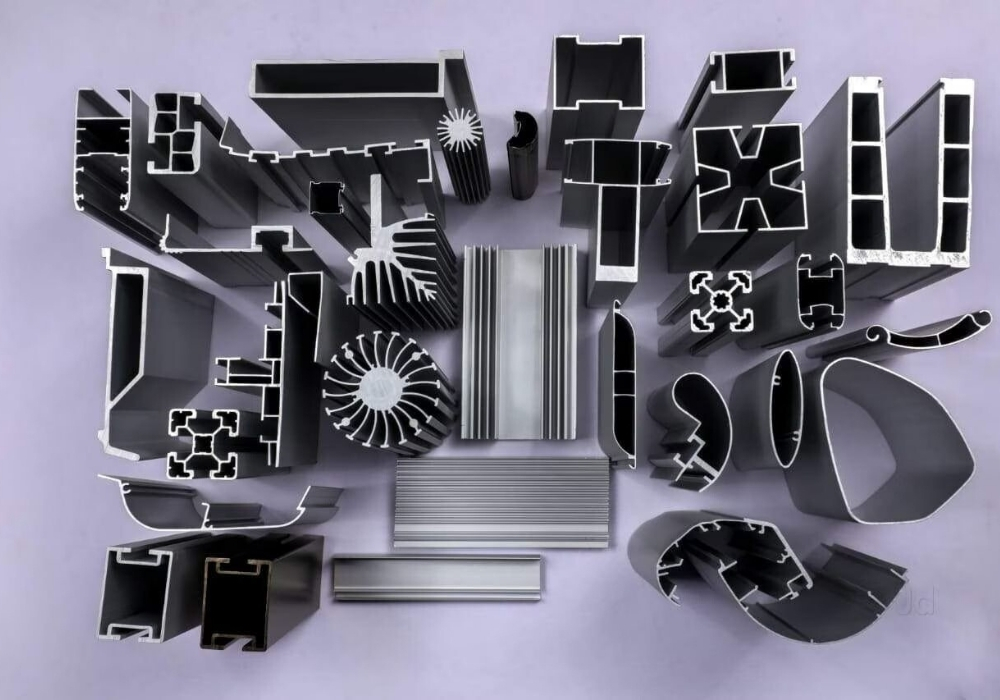
Selecting an aluminium extrusion alloy is not merely a technical formality. The decision directly affects the strength, appearance, manufacturability, durability, fabrication requirements and total cost of the finished product.
Among the heat-treatable 6000-series alloys, 6061 and 6063 are two of the most frequently specified options. Both contain magnesium and silicon and provide good corrosion resistance, weldability and fabrication potential. However, they are not interchangeable.
In general, 6061 aluminium extrusion is selected for structural strength, machining and demanding industrial applications, while 6063 aluminium extrusion is preferred for complex profiles, smooth surfaces and visually important architectural applications.
The alloy number alone is also not enough to place an accurate order. Buyers must consider the temper, profile geometry, tolerances, surface treatment, fabrication requirements and applicable product standard before requesting a quotation.
Planning to source aluminium extrusion profiles?
Post your extrusion requirement on AL Biz with the required alloy, temper, drawing, quantity, surface finish and delivery destination to receive relevant supplier quotations.
What is 6061 aluminium extrusion?
6061 is a versatile, heat-treatable alloy valued for its relatively high strength, durability, machinability and weldability. It is commonly extruded into structural shapes, bars, tubes, channels and customised profiles.
The higher aluminium extrusion strength of 6061 makes it suitable for products exposed to significant loads, mechanical stress, or demanding operating conditions. It is widely used in transportation systems, machinery, marine structures, automotive components, industrial frameworks and other engineered applications.
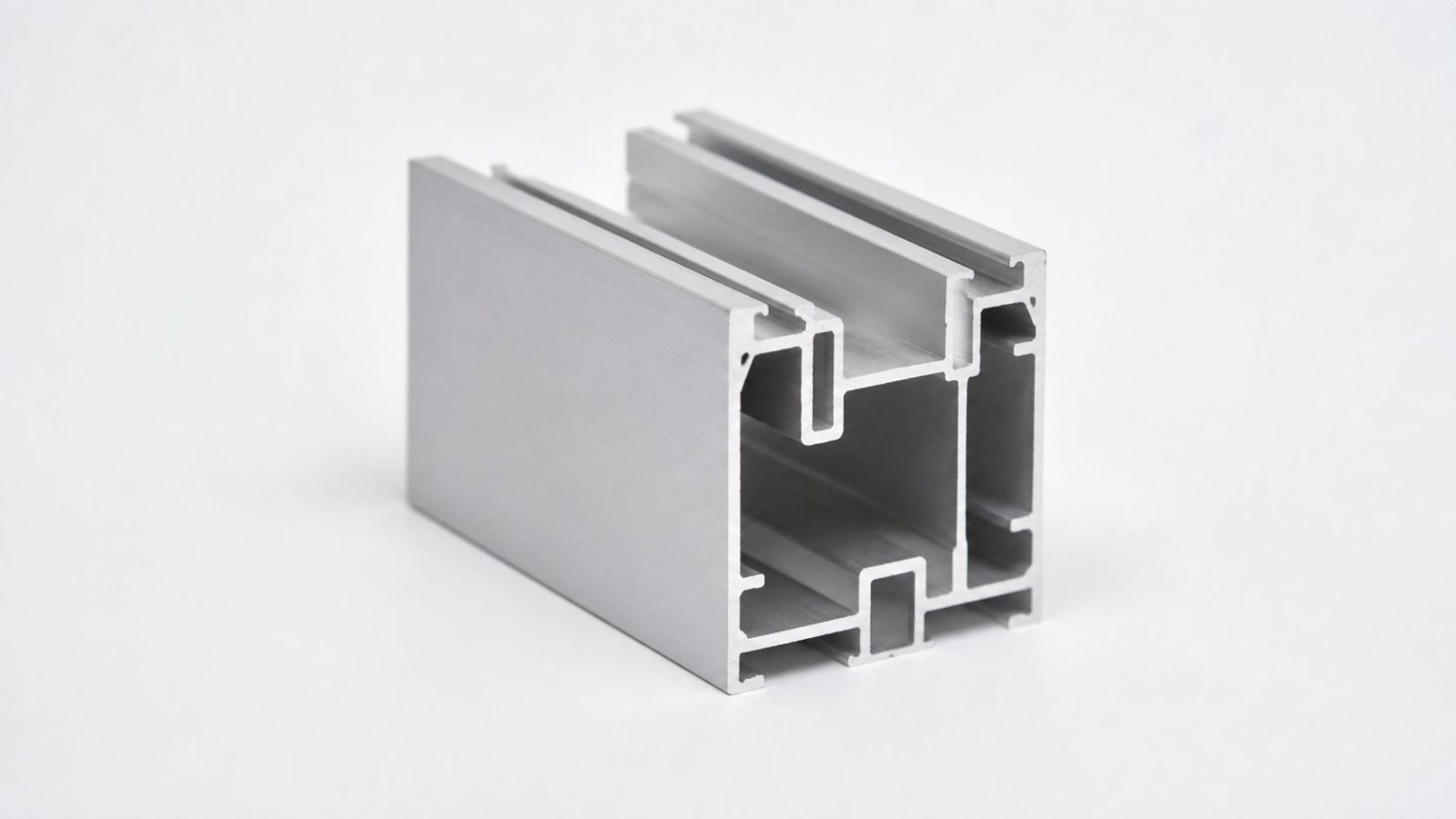
Image: 6061 aluminium extrusion profile
Common applications include:
- Structural frames and supports
- Automotive and transport components
- Marine fittings and structures
- Machine parts and equipment frames
- Heavy-duty pipes, tubes and channels
- Industrial platforms and assemblies
6061 can also be machined, drilled and welded effectively. However, it is harder to extrude than 6063, particularly when a design requires highly intricate shapes, thin walls or extremely smooth surface finishes.
However, 6061 is generally more difficult to extrude than 6063. Highly intricate shapes, very thin walls and tight corner radii may require design adjustments, specialised dies or more controlled extrusion conditions.
For additional guidance on profile geometry and manufacturability, read AL Circle’s article on designing efficient aluminium extrusion profiles.
What is 6063 aluminium extrusion?
6063 is one of the most popular alloys used in aluminium extrusion. It offers excellent extrudability, corrosion resistance and surface-finishing characteristics. It can be formed into complex profiles with relatively thin walls and tight dimensional requirements.
Although 6063 generally has lower strength than 6061, it produces a smoother and more attractive surface. It also responds particularly well to anodising, powder coating and other decorative treatments. These characteristics make it the preferred alloy for architectural aluminium profiles and products in which visual appearance matters.
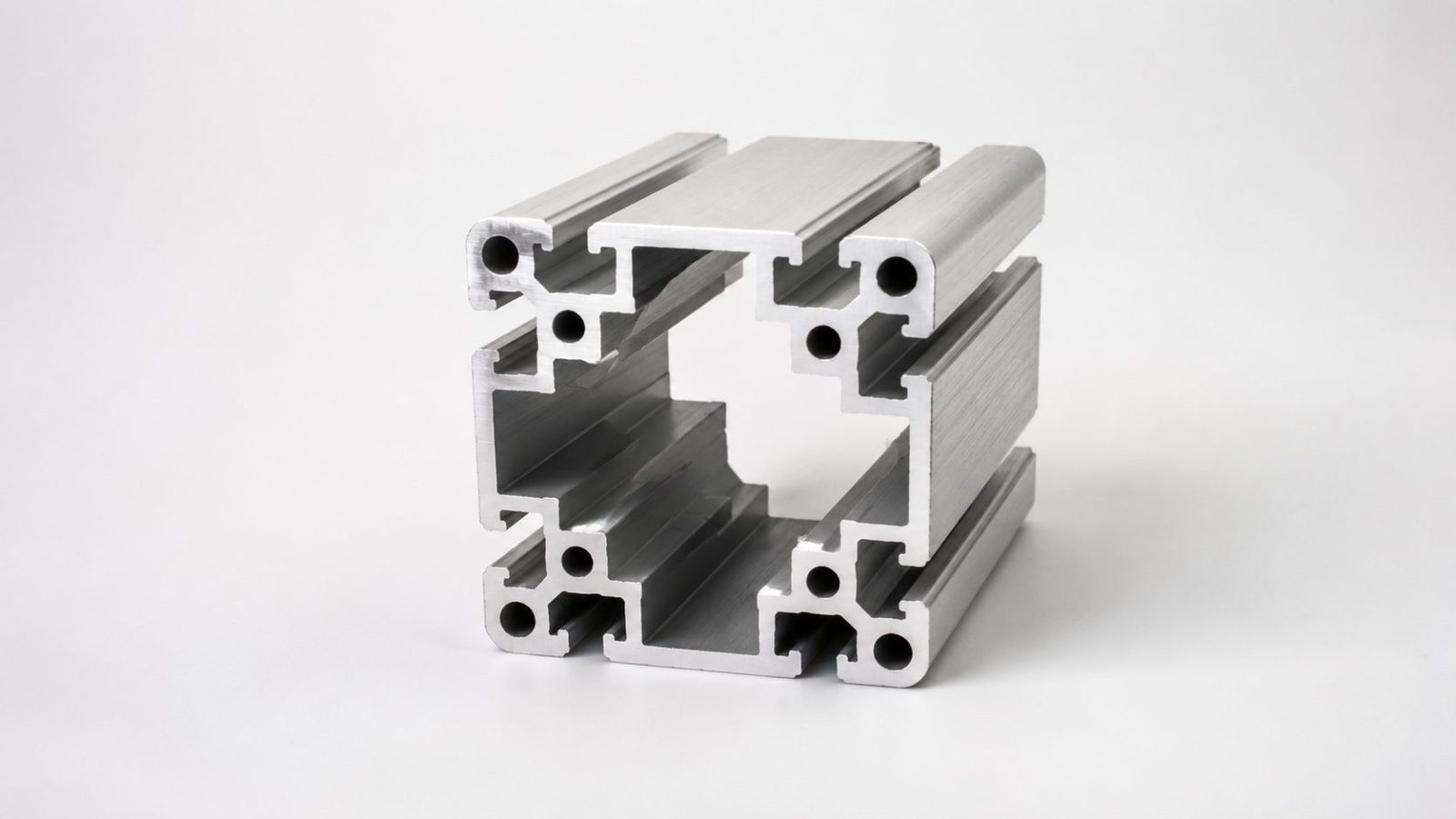
Image: 6063 aluminium extrusion profile
Typical applications include:
- Window and door frames
- Curtain wall systems
- Railings and balustrades
- Decorative trims
- Shopfront and partition profiles
- Furniture components
- Heat sinks and electrical enclosures
6063 is therefore often described as an architectural alloy, although its use is not limited to buildings.
Buyers exploring customised shapes can also read AL Circle’s guide on custom aluminium extrusion profiles.
6061 vs. 6063: Key differences
Strength
The clearest difference is strength. In comparable tempers, 6061 usually provides higher tensile and yield strength than 6063. This makes 6061 aluminium extrusion the more appropriate choice for load-bearing components and structural products.
However, stronger does not automatically mean better. Specifying 6061 for a decorative, lightly loaded profile may increase production difficulty and cost without delivering a meaningful advantage.
Extrudability
6063 flows through an extrusion die more easily. Manufacturers can use it to produce intricate cross-sections, thin walls and detailed shapes with better consistency.
6061 is still highly suitable for extrusion, but complex designs may require larger corner radii, thicker walls or adjustments to the die and production process.
Surface finish
For visible profiles, 6063 has a clear advantage. It typically delivers a smoother as-extruded surface and more uniform anodising results. This is why manufacturers frequently use it for doors, windows, facades and decorative components.
6061 can be finished and anodised, but its surface may not achieve the same architectural quality without additional processing.
Machinability
6061 generally performs better when the extruded profile requires extensive machining after production. It is suitable for drilling, milling, cutting and other fabrication operations, making it a practical choice for precision-engineered industrial aluminium profiles.
Corrosion resistance
Both alloys provide good corrosion resistance under normal conditions. However, 6063 is often favoured for exposed architectural applications because it combines corrosion resistance with high-quality anodised finishes.
Which aluminium extrusion alloy should buyers select?
Choose 6061 when the profile must withstand substantial loads, impact, repeated mechanical stress or extensive machining. It is the stronger option for structural frameworks, transport equipment, machinery and engineered industrial products.
Choose 6063 when the product requires a complex shape, thin walls, a smooth finish or a high-quality decorative appearance. It is generally the better option for architectural systems, furniture, display structures and consumer-facing components.
Buyers should also specify the required temper, dimensional tolerances, surface treatment, profile drawing, intended application and applicable standard. Comparing alloys without considering these factors can lead to incorrect sourcing decisions.
Final takeaway
The choice between 6061 and 6063 must be driven by the finished product’s function—not by habit, availability alone or a supplier’s default recommendation.
6061 aluminium extrusion is generally the stronger candidate for structural, machined and load-bearing industrial profiles.
6063 aluminium extrusion is generally the more practical choice for intricate, visible and decoratively finished architectural profiles.
However, alloy selection is only the first step. A successful sourcing decision must also account for temper, die feasibility, tolerances, surface treatment, fabrication, testing, order volume, delivery capability and supplier experience.
A technically correct alloy purchased from a supplier without the necessary press size, die-making capability, heat-treatment control or finishing facilities can still result in rejected material, inconsistent quality and delayed production.
Buyers should therefore compare suppliers on more than price. They should evaluate:
- Experience with the required alloy and profile geometry
- Available extrusion press capacity
- Die-development and correction capabilities
- Heat-treatment and ageing facilities
- Machining and fabrication services
- Anodising or powder-coating capacity
- Quality certifications and inspection systems
- Minimum order quantities and lead times
- Export packaging and logistics support
- Ability to maintain consistency across repeat orders
AL Biz allows buyers and sellers to post aluminium extrusion requirements, compare relevant offers and connect directly with manufacturers and suppliers. Sellers can also post available products and selling leads to reach buyers searching for specific alloys, profiles and applications.
Ultimately, the right decision is not simply 6061 versus 6063. It is the right combination of alloy, temper, profile design, manufacturing capability, finishing process and supply partner. Defining these requirements clearly will help buyers avoid unnecessary costs and obtain aluminium extrusion profiles that perform as expected.


 Voyagerman Technology


