Year-End aluminium scrap demand rises, cost support for secondary aluminium becomes significant
Futures: The most-traded cast aluminium alloy 2601 futures contract opened at RMB 21,300 per tonne overnight, hit a high of RMB 21,395 per tonne, touched a low of RMB 21,105 per tonne, and finally closed at RMB 21,190 per tonne, down RMB 45 per tonne. Trading volume was 14,228, a decrease of 8,550 from the previous session, and open interest was 15,640, down 1,576, indicating a simultaneous decline in both volume and open interest, reflecting reduced capital participation and weaker trading willingness in the high range. The resistance near RMB 21,400 per tonne was strong, and the market may enter a consolidation phase in the short term. Support around the RMB 21,100 per tonne level needs to be monitored; a break below this level could trigger a further pullback.
Basis report: According to SMM data, on Dec. 23, the SMM ADC12 spot price showed a theoretical premium of RMB 615 per tonne over the closing price of the most-traded cast aluminium alloy futures contract (AD2602) at 10:15.
Warrant report: SHFE data showed that on Dec. 23, the total registered warrant volume for cast aluminium alloy was 70,161 tonne, flat from the previous trading day. The breakdown by region was Shanghai (4,757 tonne, unchanged), Guangdong (22,510 tonne, unchanged), Jiangsu (11,991 tonne, unchanged), Zhejiang (24,564 tonne, unchanged), Chongqing (5,919 tonne, unchanged), and Sichuan (420 tonne, unchanged).
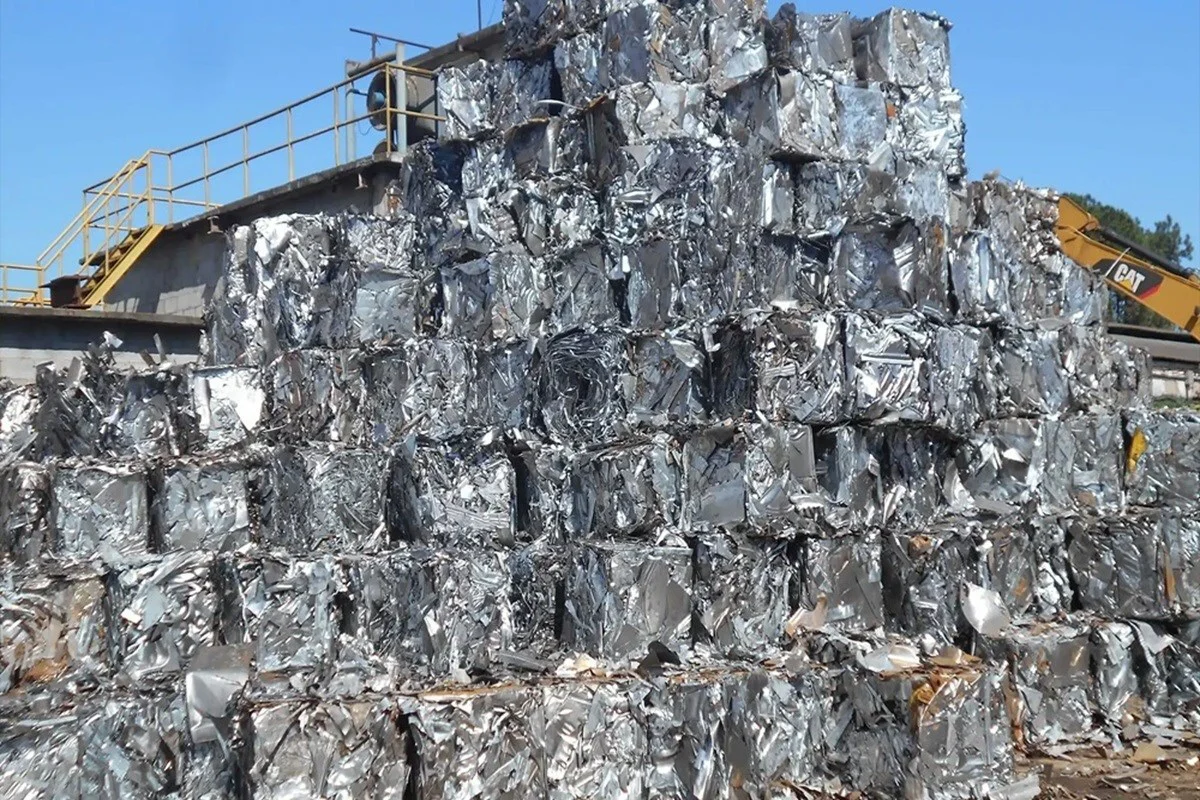
Aluminium scrap side: The spot primary aluminium price dropped back slightly on Tuesday compared to the previous trading day, with the SMM A00 spot price closing at RMB 21,870 per tonne. The aluminium scrap market followed with a slight overall decline. Baled UBC was quoted in the range of RMB 16,350-16,850 per tonne (ex-tax), and shredded aluminium tense scrap (priced based on aluminium content) was quoted in the range of RMB 18,100-18,600 per tonne (ex-tax). Overall, the tug-of-war between sellers and buyers in the aluminium scrap market is expected to continue this week. Key factors to track include fluctuations in the primary aluminium price, the implementation of environmental protection-driven production restrictions, and changes in the procurement pace of downstream enterprises, while remaining cautious of the risk of a pullback from high levels.
Silicon metal side: Spot silicon metal prices fluctuated rangebound. Yesterday, SMM oxygen-blown #553 silicon in east China was priced at RMB 9,200-9,300 per tonne, and #441 silicon was priced at RMB 9,300-9,500 per tonne. The futures market held up well in the past two days. The most-traded silicon futures contract closed at RMB 8,780 per tonne yesterday, up RMB 185 per tonne from the previous day. Silicon enterprise offers were largely stable. Trading firms engaging in both spot and futures markets raised their absolute price offers due to the futures increase. Downstream buyers mainly watched the market and made purchases as needed, resulting in a thin trading atmosphere.
Overseas market: For imports, overseas ADC12 offers were currently at $2,630–2,650 per tonne. In December, driven by cost increases and regional policy adjustments, domestic spot prices followed the upward trend to RMB 21,000-21,200 per tonne. Although the strengthening of the RMB and gains on the SHFE narrowed the immediate import losses, the overall situation remained in an inverted range. Imports in December were expected to remain in the range of 70,000-80,000 tonne, with the total annual import volume for 2025 projected to fall below 1 million tonne, representing a YoY decline of approximately 18 per cent.
Summary: In yesterday's spot market, the SMM A00 aluminium price pulled back by RMB 60 per tonne to RMB 21,870 per tonne, while the ADC12 price held firm at RMB 21,800 per tonne. Today, aluminium prices edged down slightly, but the secondary aluminium market generally remained stable. Currently, raw material supply is tightening, coupled with secondary aluminium enterprises entering a stockpiling phase, leading to increased aluminium scrap demand. Traders showed clear sentiment to hold prices firm, providing support for secondary aluminium costs. However, demand side weakened marginally, and overall market transactions performed sluggishly. Supply side, recent heavy pollution weather warnings were activated in multiple regions, with some secondary aluminium enterprises facing production restrictions or shutdowns, resulting in a slight contraction in supply. Overall, cost support and tightening supply jointly solidified the price floor, but slowing demand and aluminium prices fluctuating at highs suppressed downstream purchase willingness. ADC12 prices are expected to hover at highs in the short term.
Note: This article has been issued by SMM and has been published by AL Circle with its original information without any modifications or edits to the core subject/data.

Expectations for US Fed interest rate cuts heat up, SHFE aluminium maintains a fluctuating trend
Next articleGlobal aluminium scrap trade rises 3 per cent in Jan-Oct'25, volatility likely in CY'26
Grow with
AL Circle