Vedanta Aluminium on track for 50% India market share
For the global aluminium value-chain 2026 outlook, book our exclusive report “Global ALuminium Industry Outlook 2026"
Aluminium, the second most important metal in the world, is known for its lightweight, corrosion-resistant and recyclable properties, with over 3,000 industrial applications. However, in India, there are only 300 applications for which aluminium is currently being used, providing an immense opportunity for the growth of the metal’s consumption. With India emerging as a high-growth aluminium market, domestic demand expansion is expected to outpace global trends over the medium term.
Also Read: Vedanta Aluminium deploys CFD-driven cooling network to save energy at Jharsuguda smelter
Vedanta is ramping up capacity and planning to operationalise captive mines, strengthening raw material security while positioning aluminium as a critical input for infrastructure, automotive, aerospace, power transmission and clean-energy hardware, betting that its central role in the energy transition will drive sustained domestic demand despite global volatility. This includes the expansion of its Bharat Aluminium Company (BALCO) smelter by 435 KT, taking it to a million tonnes, thus strengthening its ability to cater to rising domestic demand. A higher share of sales in the Indian market is expected to support margin expansion, given stronger realisations compared to export markets.
Structural Advantage
Vedanta’s bid for a larger market share is also being shaped by a sharp pivot toward higher-margin, value-added products, with the goal of lifting its sales share to more than 90 per cent. These comprise a range of new product lines that are poised to fulfil India’s rising aluminium demand across high-growth sectors. These include billets for building & contruction, railways, auto and clean energy; rolled products manufactured at Bharat Aluminium Company (BALCO), serving automotive, electrical, power, insulation and packaging sectors; and Primary Foundry Alloys catering to both the auto sector and advanced manufacturing. All products are available through Vedanta MetalBazaar, the world’s largest metals marketplace offering its full range of premium ferrous and non-ferrous metals under one roof. Top of Form
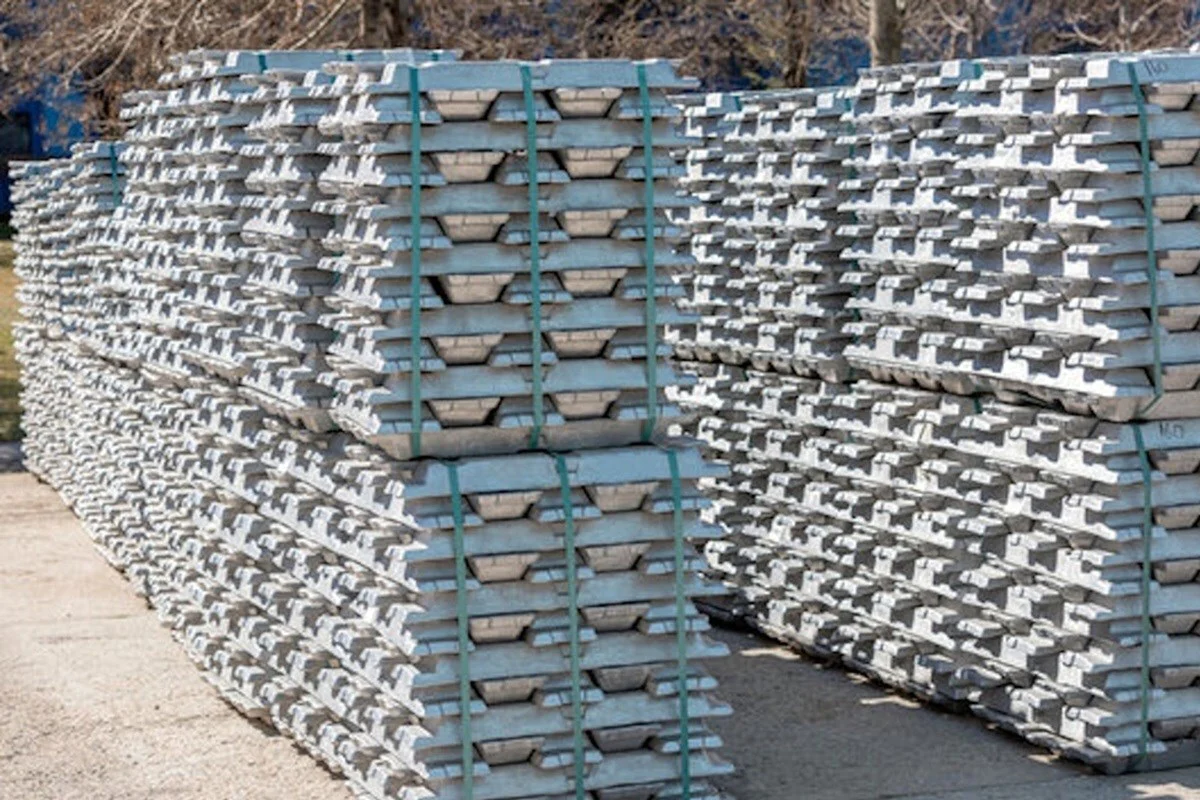
Vedanta Aluminium’s comprehensive product portfolio spans hot and liquid metal, wire rods, ingots and alloy ingots, billets, slabs, rolled products, sow ingots, aluminium silicon (AlSi) T-ingots, flip coils and its low carbon variant - Restora & Restora Ultra. The breadth of this portfolio positions the company to serve both traditional and sunrise industries across domestic and export markets.
The shift to value-added products is aimed at India’s fastest-growing aluminium end markets, where consumption is rising at an accelerated pace, benefiting from the country's fast economic growth. Policy-led electrification, including a target of 30 per cent electric-vehicle penetration by 2030, along with a push to use domestically produced raw materials in manufacturing, are shaping demand for premium aluminium. Bottom of Form
Beyond cost and product mix, Vedanta’s manufacturing assets are strategically co-located near key raw material sources and major ports, ensuring a secure and efficient supply chain. This proximity enables reliable, timely deliveries to customers in India and abroad while reducing logistics risks and costs.
Low Cost of Production
Vedanta Aluminium’s high domestic market share is underpinned by a backward integration strategy targeting production costs of around USD 1,500 per tonne. In Q3FY26, Vedanta Aluminium recorded a hot metal cost of USD 1,674 per tonne, the lowest in the past seventeen quarters and ahead of its full-year guidance range of USD 1,700–USD 1,750 per tonne. It recorded the highest-ever quarterly & nine-month aluminium production at 620 KT & 1,842 KT, respectively, and delivered the best-ever quarterly EBITDA margin at USD 1,268 per tonne.
Vedanta is executing an aggressive vertical integration blueprint through the operationalisation of secured bauxite (aluminium ore) resources and five coal blocks. This is expected to unlock structural cost advantages that will reduce hot metal production costs from Q2FY26 levels of USD 1,826 per tonne to the design target of USD 1,500 per tonne. Upon achieving this target, Vedanta is expected to be positioned within the global first decile of the cost curve.
Capital Deployment
With most of Vedanta Aluminium’s announced capital expenditure of nearly INR 30,000 crore to ramp up production already deployed, the company is now entering the harvest phase of its investment cycle. As incremental volumes come on-stream and value-added sales rise, the company expects improved operating leverage, stronger cash flows and better returns on capital, marking the end of a heavy investment phase and the beginning of a returns-led growth cycle.
In parallel, Vedanta Aluminium is also developing an INR 1.3 trillion greenfield aluminium smelter in Dhenkanal, Odisha, which will comprise a 3 MTPA smelter along with a 4,900 MW captive power plant, significantly enhancing India’s global aluminium production capacity.
Vedanta Aluminium is set to be demerged from Vedanta Ltd. as part of the conglomerate’s ongoing restructuring, which will create four additional listed entities. The management stated on the recent earnings call that it is targeting mid-May forthe potential listing of demerged companies. Based on FY28 estimates, brokerages such as Nuvama expect Vedanta Aluminium to trade at a 6.5x valuation multiple.
Don't miss out- Buyers are looking for your products on our B2B platform
Note: This article has been issued by Vedanta Aluminium and has been published by AL Circle with its original information without any modifications or edits to the core subject/data.

Price dip without stock shift: LME aluminium cash offer price settles at $3,026/t
Next articleCentury Aluminum’s Iceland smelter set to reopen 6 months ahead of schedule
Grow with
AL Circle