您想继续阅读英文文章还
是切换到中文?
是切换到中文?

THINK ALUMINIUM THINK AL CIRCLE

Futures: During the night session on December 1, the most-traded SHFE aluminium 2601 contract opened at RMB 21,870 per tonne, reached a highest price of RMB 21,940 per tonne, a lowest price of RMB 21,820 per tonne, and finally closed at RMB 21,885 per tonne, up 0.09 per cent. From a technical perspective, the MA moving averages showed a differentiated arrangement (MA5: 21,724.00 > MA10: 21,601.50 < MA20: 21,534.25 < MA40: 21,618.50), while the MACD 4-hour K-line level continued to show red bars, indicating a golden cross state (DIFF: 51.23, DEA: 5.48).
Regarding open interest, the night session open interest was approximately 263,000 lots, showing a decrease compared to the daytime session. In terms of trend, the SHFE aluminium 2601 contract is temporarily within a high-level consolidation channel; combined with recent highs and lows, the resistance level is expected to be in the 21,940-22,000 range, and the support level is expected to be in the 21,800-21,850 range. LME aluminium opened at USD 2,877.5per tonne, reached a high of USD 2,896per tonne, a low of USD 2,866per tonne, and finally closed at USD 2,888per tonne, up 0.8 per cent. Trading volume was 21,700 lots, an increase of 2,083 lots, while open interest was 700,000 lots, a decrease of 1,602 lots.
Macro front: The US Fed stated that, due to concerns over "high interest rates, tightening underwriting standards, and declining commercial real estate values," it is closely monitoring the investment portfolios of community and regional banks, as these factors could affect borrowers' ability to refinance or repay loans. (Bearish ★) A survey released on Monday by the Institute for Supply Management (ISM) showed that the US Manufacturing Purchasing Managers' Index (PMI) for November fell to 48.2 from 48.7 in October. A reading below 50 indicates contraction in the manufacturing sector, which accounts for 10.1 per cent of the US economy. (Bearish ★)
Fundamentals: According to SMM statistics, domestic aluminium ingot warehouse withdrawals totalled 141,500 tonne during November 24-30, an increase of 2,100 tonne compared to the previous week; domestic aluminium billet warehouse withdrawals totalled 50,500 tonne during the same period, a decrease of 2,800 tonne compared to the previous week. According to SMM data, the average tax-inclusive full cost for China's aluminium industry in November 2025 was RMB 16,057 per tonne, up 1.1 per cent m-o-m but down 21 per cent y-o-y. The main reasons were that the monthly average price of alumina fell less than expected during the period, but as the dry season approaches, electricity costs have increased significantly in provinces with a high proportion of hydropower, coupled with rising prebaked anode prices, leading to a m-o-m increase in the total cost of aluminium.
Primary aluminium market: In the morning session, the SHFE aluminium December contract mainly moved with volatility, but its price centre increased significantly compared to the previous trading day. In East China, holders maintained active selling but still showed some intention to hold prices firm, with offers ranging from a discount of RMB 10 per tonne to around the SMM average price; as the absolute price strengthened, downstream purchase intention was reflected in an expansion of discounts, with offers ranging from a discount of RMB 20 per tonne to a discount of RMB 10 per tonne against the SMM average price.
Overall, the actual transaction price on Monday was at a discount of RMB 10 per tonne against the SMM average price. The market sentiment index for selling in east China on Monday was 2.83, down 0.02 M-o-M; the purchasing sentiment index was 2.70, down 0.05 M-o-M. SMM A00 aluminium closed at RMB 21,730 per tonne, up RMB 2,800 per tonne from the previous trading day, at a discount of RMB 50 per tonne against the December contract, down RMB 10 per tonne from the previous trading day. On Monday, aluminium prices saw a significant correction, with buyers in the central China market showing low willingness to transact and preferring large discounts.
After the opening, prices continued to rise, and holders were in a wait-and-see mode, gradually increasing their quotes, but the market remained mainly inactive. After 9:30, major players entered the market to purchase in large volumes, leading to a decrease in spot inventory, and quotes showed a premium trend. Ultimately, the actual transaction price mainly ranged from a discount of RMB 20 per tonne to a premium of RMB 10 per tonne against the central China price. The market sentiment index for selling in the central China market on Monday was 2.96, up 0.02 MoM; the purchasing sentiment index was 2.81, down 0.01 M-o-M. SMM central China closed at RMB 21,600 per tonne, up RMB 270 per tonne from the previous trading day, at a discount of RMB 180 per tonne against the December contract, down RMB 20 per tonne from the previous trading day, with the price spread between Henan and Shanghai at -RMB 130 per tonne, down RMB 10 per tonne from the previous trading day.
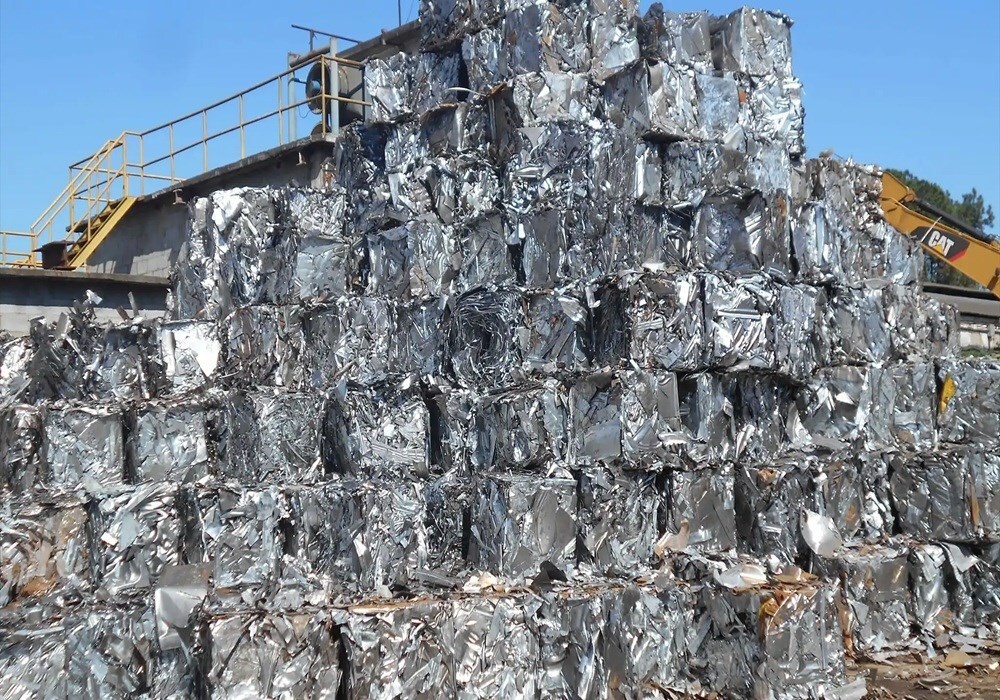
Recycled aluminium raw materials: On Monday, the spot primary aluminium price rose significantly compared to the previous trading day, with SMM A00 spot closing at RMB 21,730 per tonne, and the aluminium scrap market followed suit. Entering December, the demand for aluminium scrap downstream has become clearly divided, with the demand for casting series aluminium alloys remaining stable and showing a slight increase, providing more support for consumption.
Some enterprises in Shandong reported that the raw material procurement market was characterised by high prices and low availability, with tight supply being the main theme, and procurement prices remaining high. On Monday, the concentrated quotes for baled UBC were RMB 16,200-16,700 per tonne (excluding tax), and for shredded aluminium tensile scrap (priced based on aluminium content) were RMB 18,200-18,700 per tonne (excluding tax). The prices for baled UBC, clean tapping aluminium wire, mixed aluminium extrusion scrap free of paint, mechanical casting aluminium scrap, scrap motorcycle wheel, and mixed aluminium tensile scrap increased by RMB 200 per tonne M-o-M.
Due to the continuous rise in SHFE aluminium futures prices, regions such as Jiangxi, Hubei, Foshan, Anhui, and Hunan collectively raised their aluminium scrap quotes, with a cumulative increase of 200 per tonne. It is expected that the aluminium scrap market will continue to fluctuate at highs this week, with the mainstream range for shredded aluminium tensile scrap (priced based on aluminium content) at RMB 18,000-18,500 per tonne (excluding tax). The tight supply situation is unlikely to change in the short term, with constraints still present in both the recycling and import sectors, limiting downside room. Fluctuations in primary aluminium prices remain the core influencing factor, coupled with intensified environmental protection measures and transportation restrictions at year-end, leading to a cautious market sentiment. The tug-of-war between sellers and buyers continues, and it is necessary to closely monitor the trends in primary aluminium, environmental protection policies, and import supplements, while being vigilant about the risk of high-level fluctuations.
Secondary aluminium alloy: On Monday, the most-traded cast aluminium alloy futures contract 2601 opened at RMB 20,800 per tonne, reached a high of RMB 21,085 per tonne, and closed at RMB 20,995 per tonne by midday, up RMB 45 per tonne or 0.21 per cent from the previous close. Trading volume was 1,838 lots, and open interest was 3,809 lots, with bears mainly reducing their positions. Driven by macro tailwinds, aluminium prices rose sharply on Monday. The SMM spot A00 aluminium price was quoted at RMB 21,730 per tonne, a single-day increase of RMB 280 per tonne; the ADC12 price also increased by 150 RMB per tonne to RMB 21,500 per tonne. Concurrently, as copper prices approached the RMB 90,000 mark, prices for aluminium scrap, especially aluminium tense scrap, followed the upward trend, leading to a significant rise on the cost side. Furthermore, the premium for ADC12 relative to alloys with higher copper content, such as A380, widened further. The rapid price surge currently dampens downstream willingness to pick up goods, but end-users' push for annual targets at year-end continues to support orders for secondary aluminium enterprises. Overall, the ongoing release of year-end demand push and the front-loading of orders driven by policy, combined with strong support from high raw material costs, suggest that secondary aluminium alloy prices are expected to hold up well in the short term, highlighting overall price resilience. On the import side, the current overseas ADC12 quotation range is USD 2,600–2,630per tonne. Due to the rapid price increase domestically, the immediate import loss has narrowed to around RMB 400 per tonne.
Aluminium market summary: On the macro front, sentiment both domestically and overseas is favourable. Expectations have increased that Trump will nominate a dove as Fed Chairman, boosting market optimism for a December interest rate cut. Meanwhile, the US ISM Manufacturing PMI fell to 48.2 in November, remaining below the 50 mark, which may further strengthen market expectations for a Fed rate cut. Foreign institutions generally predict that the Chinese economy will maintain steady growth next year with policy support, enhancing market confidence.
Fundamentally, in terms of supply, domestic operating aluminium capacity saw limited fluctuation. By the end of November, SMM statistics showed domestic existing aluminium capacity was approximately 45.87 million tonnes, with operating aluminium capacity around 44.225 million tonnes. The pace of capacity release showed no significant deviation, providing stable support for market supply. Demand side, the suppressive effect of previously high aluminium prices on consumption is gradually easing, with some delayed demand starting to be released. Last week, the weekly operating rate for leading domestic aluminium processing enterprises increased slightly by 0.3 percentage points w-o-w to 62.3 per cent. Sub-sectors including aluminium extrusion, aluminium wire and cable, and both primary and secondary aluminium alloy segments showed varying degrees of recovery in operating performance, reflecting a gradual repair in downstream consumption demand. Overall, recent aluminium prices have been buoyed by macro sentiment, while marginal improvements in the fundamental supply-demand pattern have also provided substantive support for prices. Based on this, SMM expects that aluminium prices will continue to fluctuate at highs in the short term.
Note: This article has been issued by SMM and has been published by AL Circle with its original information without any modifications or edits to the core subject/data.

Responses