您想继续阅读英文文章还
是切换到中文?
是切换到中文?

THINK ALUMINIUM THINK AL CIRCLE

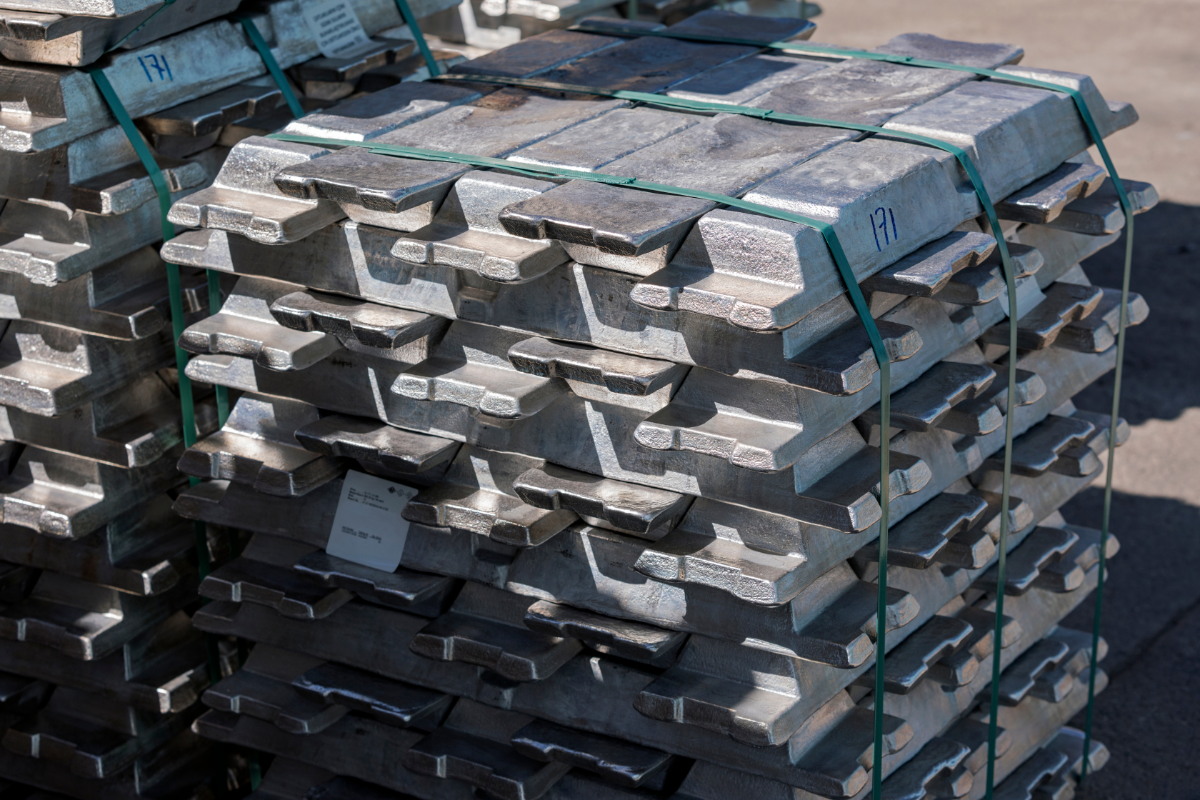
Stock image for referential purposes only
Today, the most-traded SHFE aluminium contract 2609 closed at RMB 23,010 per tonne, down RMB 270 per tonne, a decline of 1.16 per cent. Trading volume reached 182,000 lots, up 122,000 lots W-o-W, surging significantly as capital fled the market, with bears actively adding positions to drive prices down. Open interest came in at 261,400 lots, up 13,708 lots W-o-W, also rising notably as both bulls and bears entered the fray, though bearish positioning showed greater strength. The VR reading remained above 100, pointing to a high-volume sell-off this cycle, a concentrated release of bearish momentum, and ample downward energy. The medium-term bearish trend remains unchanged, the short-term bounce has ended, and the market has shifted into a pullback after breaking below short-term moving averages on heavy volume.
{alcircleadd}SMM commentary: Macro front, the US-Iran conflict continued to escalate. On July 17, US forces carried out further airstrikes on Iran, while Iran launched large-scale strikes on US military targets in Kuwait and Syria, and attacked US-related facilities in Bahrain. Middle East tensions lingered, and rate-hike worries persisted. On the supply side, recovery continued, but the destocking pattern is unlikely to reverse in the short term. Amid the tug-of-war between longs and shorts, aluminium prices are expected to consolidate and adjust in the near term. Future focus should remain on the progress of production resumptions and the trajectory of geopolitical conflicts in the Middle East, LME aluminium ingot inventory changes, as well as China's downstream processing orders and aluminium semis export data.
Today, the most-traded alumina contract 2609 settled at RMB 2,710 per tonne, down RMB 9 per tonne, a loss of 0.33 per cent. Trading volume shrank sharply to 170,000 lots, down 109,000 lots W-o-W. Compared with the volume expansion during the previous candlestick rebound, the current contraction in momentum raises questions about the sustainability of any recovery. Open interest fell to 331,000 lots, down 29,960 W-o-W, declining for a consecutive session as both bears and bulls exited their positions, reflecting a strong wait-and-see sentiment with no trend-driven capital entering the market. The short-term 5- and 10-day moving averages flattened and converged, with the closing price pressing against the 20-day moving average, indicating a short-term balance of power between longs and shorts. The medium-to-long-term 40- and 60-day moving averages continued to trend downward, suggesting the broader medium-term picture remains capped by bearish pressure. The VR reading remained below 100, pointing to weak trading sentiment, insufficient buying momentum from bulls, and a lack of proactive capital pushing prices higher.
SMM commentary: Total alumina inventory nationwide edged up M-o-M, with overall fluctuations remaining limited. Structurally, raw material inventory at aluminium smelters decreased, mainly because some smelters proactively slowed their procurement pace for high-priced ore, as spot alumina prices remained at a relatively high level, resulting in a reduction of in-factory inventory. Alumina refinery inventory saw a small increase, though this growth was largely offset by maintenance-related production cuts at some Shanxi enterprises and the release of new capacity in south China. Port-side inventory rose, influenced by the gradual arrival of new vessels. Warrant inventory continued to decline, as narrowing spreads between futures and spot prices combined with invoicing issues dampened the incentive to ship to delivery warehouses. In-transit and terminal inventories accumulated, mainly due to previously expired warrants being released as spot cargoes, combined with continued shipments from Guangxi, which increased the flow of goods through circulation channels. The market's operating structure for alumina is expected to remain largely stable in the short term. Some enterprises reliant on domestic ore may schedule maintenance due to tightening ore supply, but this will have a limited impact on monthly production, with inventory levels most likely holding at their current state. On the pricing front, as regional spot mismatch issues gradually ease, the spot price center may pull back slightly, and the subsequent trend will likely come under pressure.
Note: This article has been issued by SMM and has been published by AL Circle with its original information without any modifications or edits to the core subject/data.
Responses