RUSAL goes greener: Innovative aluminium can made from 75% recycled aluminium and ALLOW INERTA to appear soon
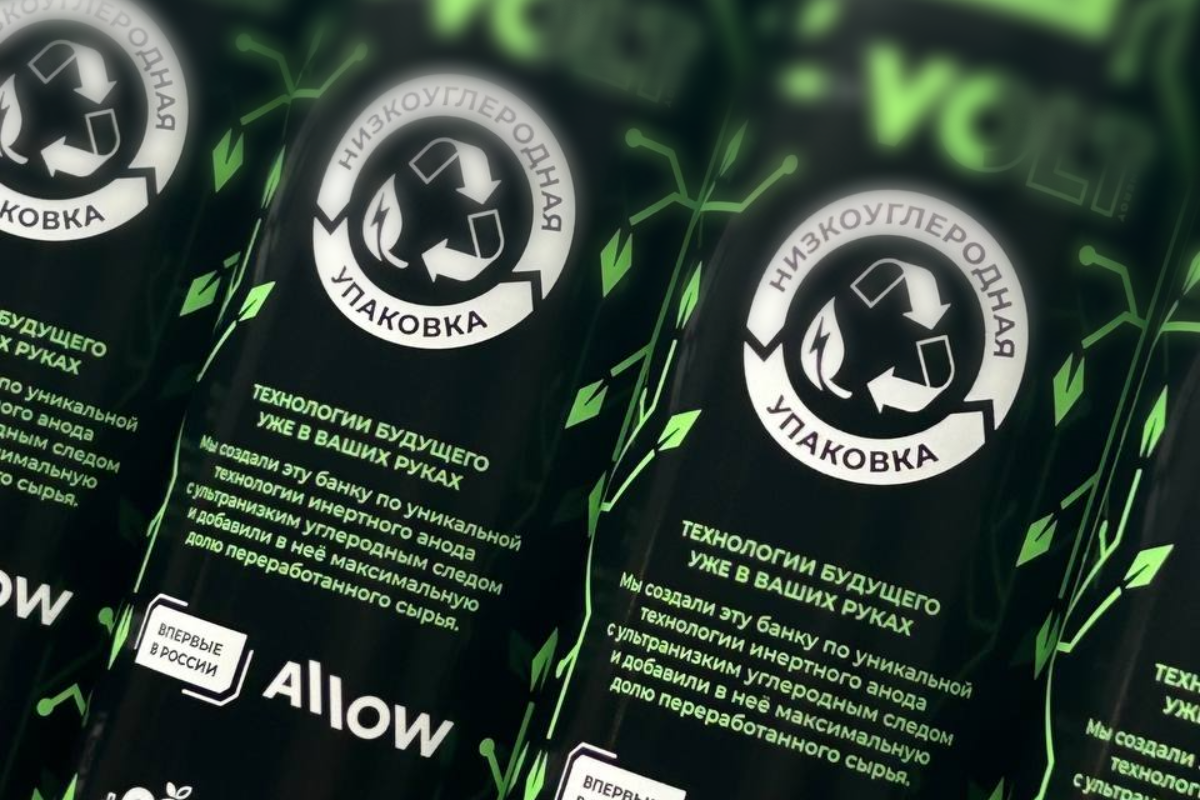
RUSAL, a global leader in aluminium production, has advanced to the second phase in the production of a batch of rolling slabs with a record-low carbon footprint. The figure came to less than 3t CO2/t of aluminium (Full Scope), which is the company’s lowest ever recorded within its ongoing production operations. These slabs will be delivered to partners for further rolling into strips and manufacturing Russia’s first low-carbon aluminium beverage cans. Building on the successful launch of the initiative in June 2025, this milestone confirms the full industrial-scale operation of the Company’s sustainable manufacturing solutions.
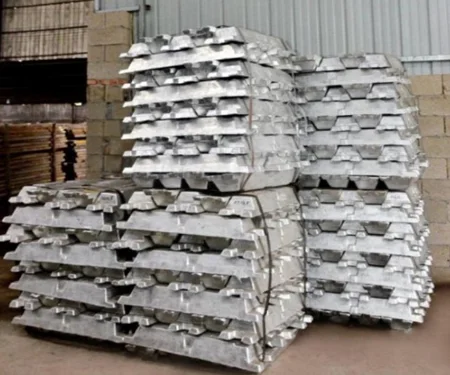
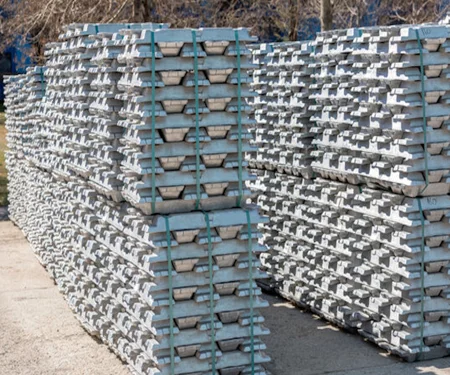
This latest phase has yielded a new batch of can body sheet slabs with a record-low carbon footprint. RUSAL will supply these slabs to partners for rolling into sheet metal and subsequent conversion into beverage cans, marking a significant step in decarbonising the packaging supply chain.
Explore- Most accurate data to drive business decisions with 50+ reports across the value chain
Optimised technology mix to reduce carbon emissions
The new batch of slabs is the result of a strategically engineered material combination, designed to achieve an ultra-low carbon footprint. RUSAL integrated three key components: recycled content, which comprised 64 per cent of the mix; its proprietary ALLOW INERTA, produced with innovative inert anode technology and boasting the industry’s lowest carbon footprint (at a 10.5% share); and standard primary metal produced with hydropower.
This sophisticated application of recycled raw materials and low-carbon aluminium, of which 64 per cent comes from secondary content, represents one of the most effective tools for product decarbonisation available today. Utilising recycled aluminium enables multiple life-cycle loops within the circular economy, while breakthrough technologies like inert anodes drastically reduce the environmental impact of primary production.
The closed loop as an industrial blueprint
The project underscores a pivotal shift towards cross-industry collaboration. RUSAL is constructing, together with its partners, a fully integrated value chain — from scrap collection and technology development to packaging manufacturing and retail distribution.
This model serves as a blueprint for a closed-loop aluminium system, wherein every stakeholder actively reduces the industry's environmental footprint and accelerates the transition to a circular economy.
Forging a sustainable future through green technological leadership
RUSAL has prioritised developing expertise in two transformative areas: integrating recycled content into its primary products and deploying inert anode technology. These innovations significantly reduce CO₂ emissions at the facilities, allowing the producer to offer the market products with a vastly improved environmental footprint.
This strategic focus now yields a tangible result: a new batch of beverages in aluminium cans, produced in collaboration with FMCG partners, which boasts a record-low carbon footprint. Each can will carry the distinctive ALLOW label, signifying its minimal environmental impact.
This initiative not only reinforces RUSAL’s leadership in creating green technologies for the packaging sector but also establishes a new, higher standard for the entire market to follow.
Must read: Key industry individuals share their thoughts on the trending topics
Note: This article has been issued by RUSAL and has been published by AL Circle with its original information without any modifications or edits to the core subject/data.

A new recycled aluminium plant would be built in the Stavropol Territory
Next articleIndia: Imported, domestic aluminium scrap prices witness weekly gains tracking LME uptrend
Grow with
AL Circle