MYSTEEL: Middle East disruptions may lift China's alumina supply
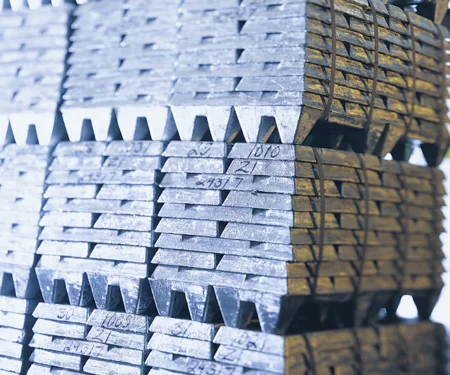
Escalating geopolitical tensions in the Middle East since February 28 are likely to disrupt primary aluminium production there and cause additional alumina cargoes to be redirected to markets outside the region including China, according to Mysteel's recent analytical report on the commodity.
The Middle East's six major aluminium-producing countries – namely Iran, Saudi Arabia, the United Arab Emirates, Bahrain, Qatar and Oman – have a combined primary aluminium capacity of approximately 6.92 million tonnes per year, accounting for about 9 per cent of global output, Mysteel learned.
Given that producing one tonne of primary aluminium requires roughly 1.92 tonnes of alumina, total alumina demand from the primary aluminium sectors in these six countries is estimated at around 13.3 million tonnes annually, according to Mysteel's analyst. However, the region's alumina production capacity stands at only about 4.35 million t/y, leading to an annual import requirement of approximately 8.9 million tonnes.
Unlock full access – sign up for FREE.
Key benefits
China signals shift in operational strategy of alumina refining and copper smelting
Next articleStrait of Hormuz closure also questions the viability of primary aluminium production in the Middle East and here's why
Grow with
AL Circle