MYSTEEL: China's coal output seen staying broadly stable in '26
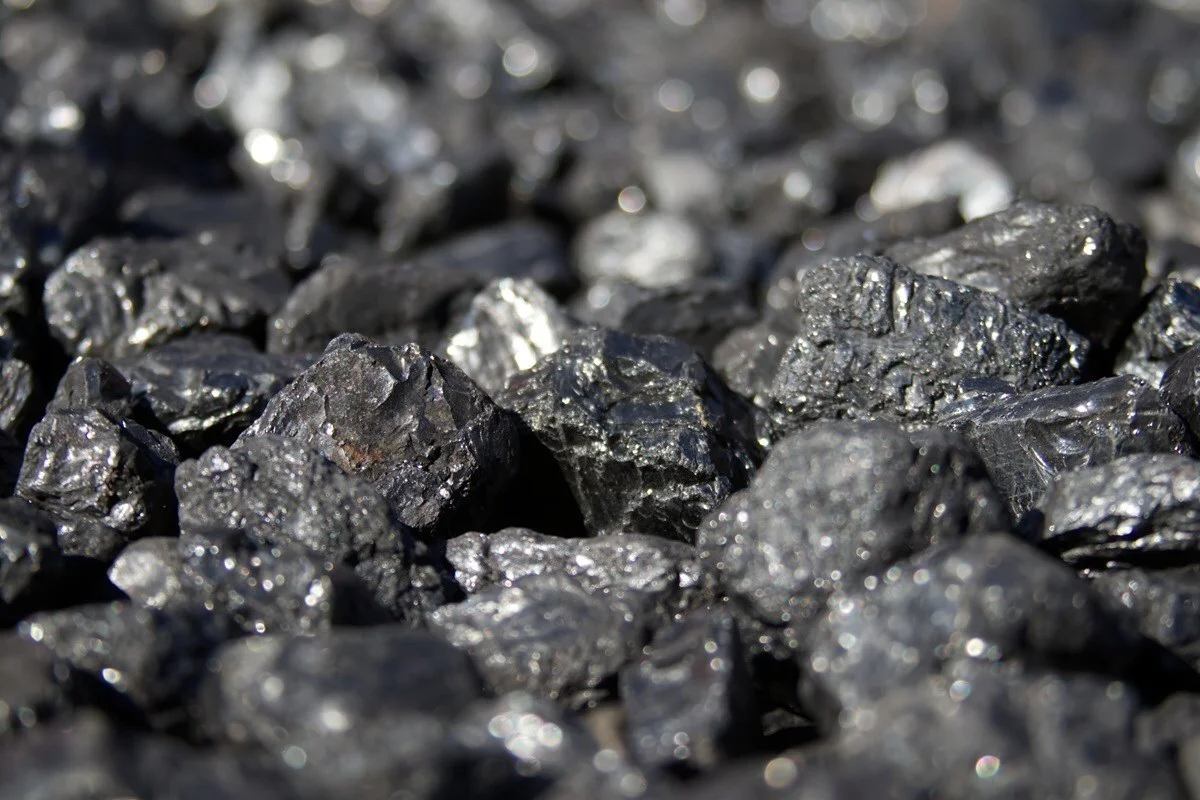
Inner Mongolia, China's second-largest coal-producing region, said it will keep annual raw coal production stable at around 1.3 billion tonnes during the 15th Five-Year Plan period (2026-2030), according to a broader economic and social development blueprint released by the regional government.
For the global aluminium value-chain 2026 outlook, book our exclusive report “Global ALuminium Industry Outlook 2026"
The target is consistent with an earlier official statement indicating that Inner Mongolia plans to produce more than 1.25 billion tonnes of raw coal in 2026, of which about 780 million tonnes will be earmarked for the national energy security mission.
In 2025, the region's raw coal output reached 1.297 billion tonnes, down 1 per cent from a year earlier, according to data from the National Bureau of Statistics (NBS).
The production guidance effectively sets a ceiling for Inner Mongolia's coal output this year and potentially over the next five years, without signalling any reductions. This underscores coal's continued central role in China's energy mix despite the rapid expansion of renewable energy, Mysteel Global notes.
However, the plan indicates that future capacity growth will mainly come from large, modern mines, while expansions of mid- and small-scale operations will remain constrained. The region will also continue developing coal reserve systems to provide buffers during peak demand periods or potential global supply disruptions.
Similarly, Shanxi province, whose raw coal output reached 1.3 billion tonnes in 2025, said in early February that it will stabilise production at roughly the same level in 2026, clearly indicating that coal supply to the market will remain steady.
As Shanxi has maintained annual output at around 1.3 billion tonnes for at least the past four years, the 2026 target suggests that this level will serve as a production ceiling in the coming years, making any significant increase unlikely.
Instead, the province is focusing on intelligent upgrades in the coal sector, with plans announced to complete smart-mining retrofits at 60 coal mines this year, according to the local government.
Meanwhile, neighbouring Shaanxi province, the country's third-largest coal producer, plans to continue expanding capacity. After adding 30.95 million tonnes per year of new capacity in 2025, the province aims to put another 14 million tonnes per year into trial operation this year, according to its government work report. While no explicit production target has been provided, the capacity expansion goal suggests Shaanxi could at least maintain its output, if not increase it.
Shaanxi's coal production has risen steadily in recent years, climbing from 746 million tonnes in 2022 to 761 million tonnes in 2023, 780 million tonnes in 2024, and 804 million tonnes in 2025, according to the NBS data.
China's total raw coal production reached 4.8 billion tonnes in 2025, up 1.2 per cent year on year, according to the official statistics. With the three largest producing regions - Inner Mongolia, Shanxi and Shaanxi - accounting for 70.3 per cent of national output last year and maintaining broadly stable production plans, the country's overall coal output is likely to remain at a similar level in 2026, Mysteel Global helieves
The NBS is set to publish its January-February output data on March 16.
Don’t miss out- Buyers are looking for your products on our B2B platform
Note: This news is published under a content and exchange agreement with Mysteel

Netherlandish scientists proposed metal oxide-based technology for the deep purification of CO2 from CO
Next articleAs EU import bans loom large, Russia plans to redirect LNG supplies to Asia from Europe
Grow with
AL Circle