您想继续阅读英文文章还
是切换到中文?
是切换到中文?

THINK ALUMINIUM THINK AL CIRCLE

中文翻译附于新闻末尾,敬请继续阅读。
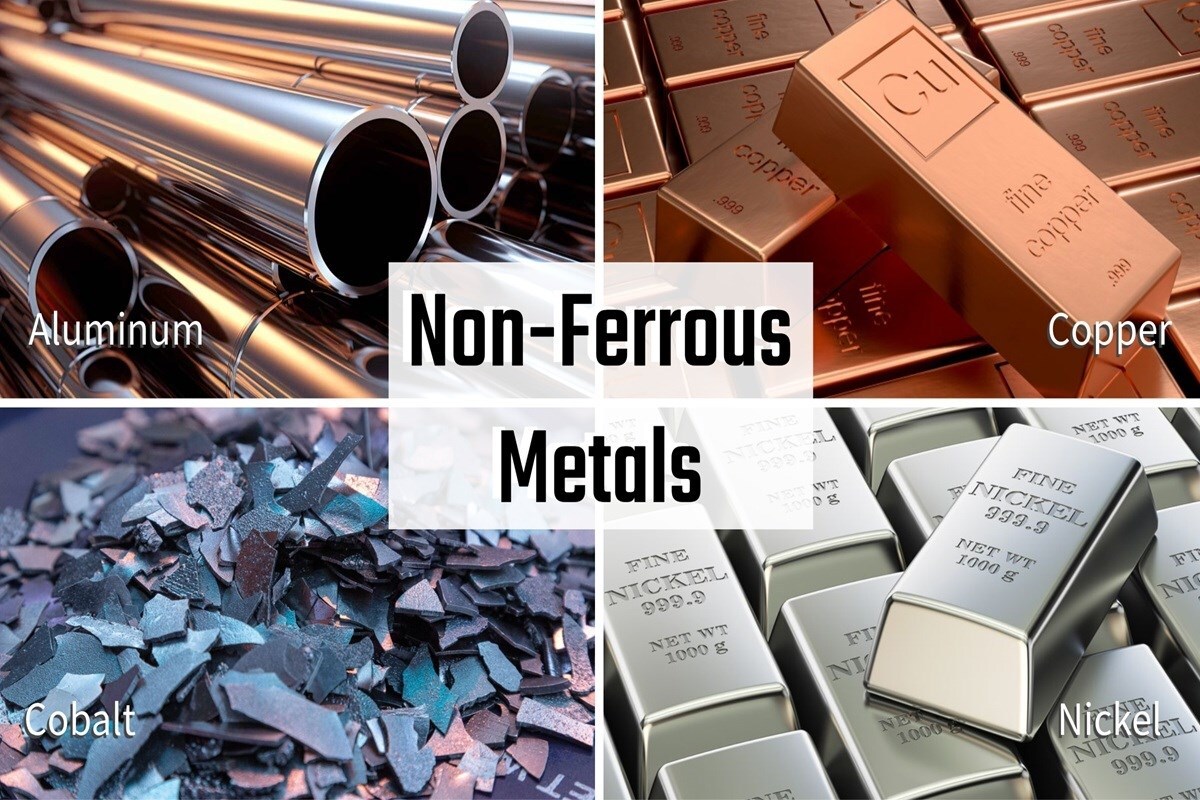
{alcircleadd}By the end of the daytime trading session on Friday, the most-traded nickel contract for May delivery had fallen by 6 per cent from a week earlier to end at RMB 132,330 per tonne (USD 19,069.8 per tonne). Meanwhile, the most-traded March aluminium and copper contracts had dropped by 5.1 per cent and 3.5 per cent on the week, closing at RMB 23,315 per tonnne and RMB 100,100 per tonne respectively.
Also Read: Feature: China seen moving away from coal supply guarantees amid shifted energy mix
The declines in SHFE non-ferrous metals futures were largely associated with a strengthening U.S. dollar and weak domestic demand, as inventories continued to build over the week, according to market analysts.
The U.S. Dollar Index rose steadily this week, closing at 97.82 on February 5, higher by 0.83 percentage points from a week earlier. A stronger dollar normally raises the cost of U.S. dollar-denominated global commodities, putting downward pressure on domestic non-ferrous metals futures, market analysts said.
At the same time, inventory accumulation of major non-ferrous metals has persisted since early January, reflecting subdued consumption ahead of the Chinese New Year holiday in mid-February. This inventory build-up has dampened market participants' expectations for near-term demand for the metals, both before and after the holiday.
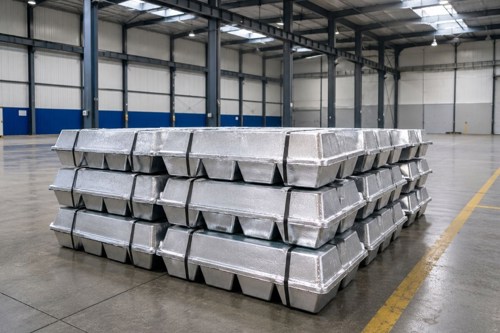
This week, stocks of the three metals held in SHFE-bonded and standard warehouses recorded notable increases. As of February 6, aluminium inventories had jumped by 13.1 per cent from the previous week to 245,140 tonnes. Similarly, copper and nickel inventories had increased by 6.8 per cent and 3.7 per cent on week to 248,911 tonnes and 57,457 tonnes, respectively.
To know more about the global primary aluminium industry 2026 outlook, book the report “Global ALuminium Industry Outlook 2026".
本周五日间交易时段收盘时,上海期货交易所五月交割的镍主力合约价格较一周前下跌6%,收于每吨132330元人民币(每吨19069.8美元)。与此同时,三月交割的铝和铜主力合约价格本周分别下跌5.1%和3.5%,收于每吨23315元人民币和每吨100100元人民币。
市场分析师认为,上期所有色金属期货价格下跌主要与美元走强和国内需求疲软有关,因为本周有色金属库存持续增加。
美元指数本周稳步上升,2月5日收于97.82点,较一周前上涨0.83个百分点。市场分析师表示,美元走强通常会提高全球大宗商品的美元计价成本,从而对国内有色金属期货价格构成下行压力。
与此同时,自1月初以来,主要有色金属持续累库,反映出2月中旬春节假期前消费低迷。这种库存积累削弱了市场参与者对金属节前后近期需求的预期。
本周,上海期货交易所保税区和标准仓库的三种金属库存显著增加。截至2月6日,铝库存较前一周增长13.1%,达到245140吨。同样,铜和镍库存分别环比增长6.8%和3.7%,达到248911吨和57457吨。
Note: This news is published under a content and exchange agreement with Mysteel

Responses