您想继续阅读英文文章还
是切换到中文?
是切换到中文?

THINK ALUMINIUM THINK AL CIRCLE

Futures: On January 15, the SHFE aluminium 2603 contract opened at RMB 24,470 per tonne during the night session. After opening, the price pulled back, reaching a low of RMB 24,015 per tonne, then entered consolidation without breaking the opening price, finally closing at RMB 24,320 per tonne, down 0.23 per cent. Trading volume was 285,000 lots, and open interest was 348,000 lots. From a technical analysis perspective, the fast RSI1 line is at 49.88, having fallen below the 50 strength-weakness dividing line; the slow RSI2 line is at 58.43, also in a pullback, indicating that short-term bullish momentum has weakened. Although the MA moving average system still shows a bullish formation, the 5-day and 10-day moving averages are exerting some pressure on night session prices, suggesting a short-term adjustment phase. LME aluminium opened at USD3,187per tonne, hit a low of USD3,136per tonne, and closed at USD3,171.5per tonne. Trading volume was 29,400 lots, an increase of 828 lots, and open interest was 705,000 lots, an increase of 11,900 lots.
{alcircleadd}Macro front: US Fed official Schmid stated that he sees little reason for an interest rate cut at present. The current policy stance does not seem very restrictive. A rate cut could undermine the process of curbing inflation without benefiting the labour market (neutral). US President Trump said he has decided to temporarily refrain from imposing tariffs on rare earths, lithium, and other critical minerals, instead ordering his government to seek supplies from international trading partners. This has somewhat cooled the bullish sentiment on silver, copper, and aluminium (neutral).
Fundamentals: This week, the weekly operating rate of downstream enterprises was 60.2 per cent. High aluminium prices have become the core factor inhibiting downstream consumption and industry recovery. The operating rate of leading enterprises in aluminium plate/sheet, strip and foil slightly increased M-o-M, with seasonal demand warming up for can stock, food packaging foil, and pharmaceutical foil. However, procurement pressure for low and mid-end products has significantly delayed stockpiling plans. In terms of inventory, the national social inventory of aluminium ingot increased by 22,000 tonnes compared to last Thursday, and the inventory of aluminium billet in major consumption areas increased by 36,500 tonnes, showing no significant improvement in fundamentals.
Primary aluminium market: In the morning session, the SHFE aluminium 2602 contract fluctuated downward, with the price centre lower than the previous trading day. Affected by the decline in aluminium prices, overall purchasing sentiment among downstream players has recovered, with mainstream transaction prices mainly concentrated between a discount of RMB 20 per tonne and RMB 10 per tonne. On Thursday, the East China market's shipping sentiment index was 2.56, up 0.12 w-o-w; the purchasing sentiment index was 2.44, up 0.15 w-o-w. SMM A00 aluminium closed at RMB 24,190 per tonne, down RMB 480 per tonne from the previous trading day, at a discount of RMB 130 per tonne against the 2601 contract, down RMB 50 per tonne from the previous trading day; and at a discount of RMB 190 per tonne against the 2602 contract.
On Thursday, aluminium prices pulled back, while trading sentiment in the central China market continued to recover. Large buyers stepped in to purchase, driving up trading volume and pushing premiums and discounts higher. Suppliers showed increased willingness to sell, and market activity improved. The actual transaction prices in the central China market ultimately ranged from a discount of RMB 10 per tonne to a premium of RMB 10 per tonne against the central China price. On Thursday, the selling sentiment index for the central China market was 2.60, down 0.01 w-o-w; the purchasing sentiment index was 1.95, up 0.44 w-o-w. The SMM central China price closed at RMB 24,030 per tonne, down RMB 480 per tonne from the previous trading day, at a discount of RMB 290 per tonne against the 2601 contract (down RMB 50 per tonne from the previous trading day), and at a discount of RMB 350 per tonne against the 2602 contract. The price difference between Henan and Shanghai was -RMB 160 per tonne, flat from the previous trading day.
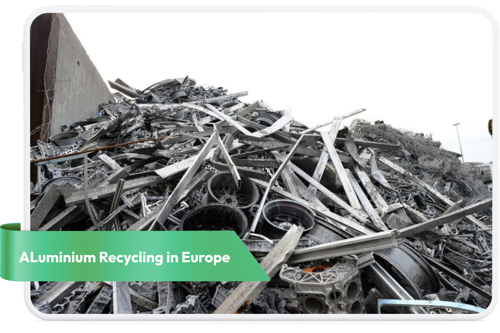
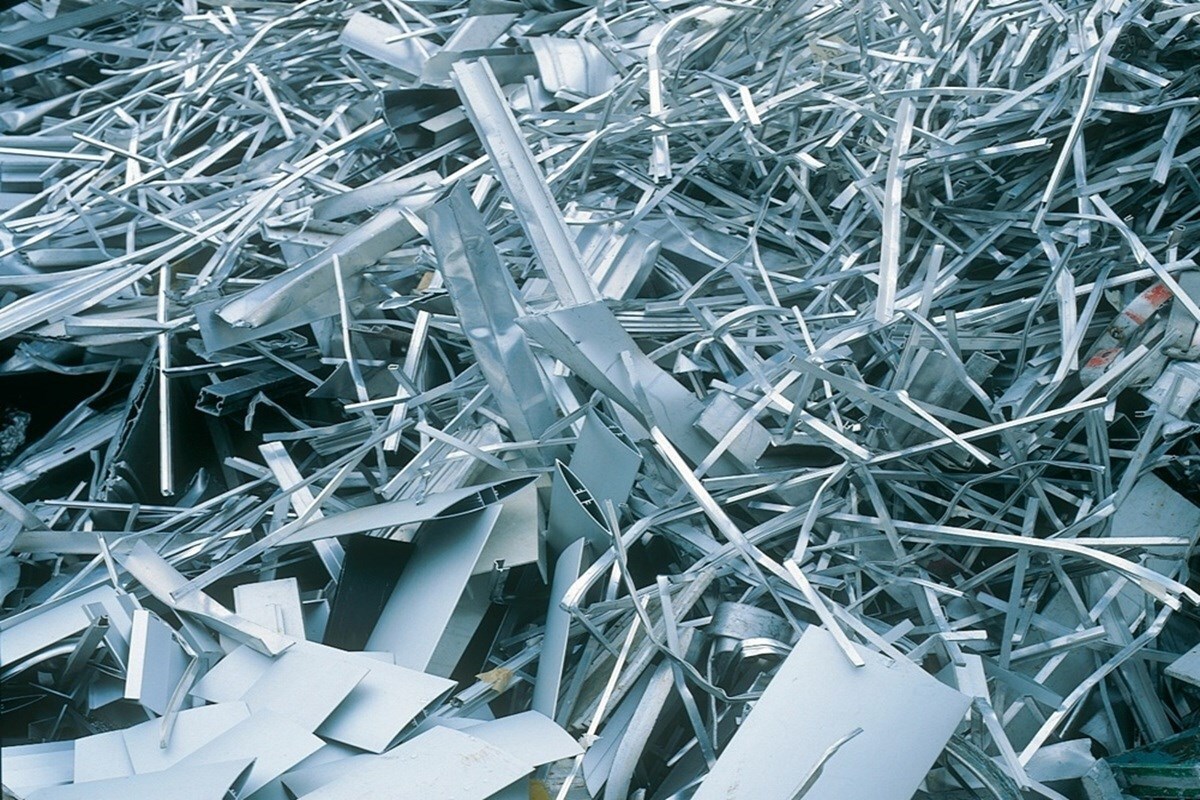
Secondary aluminium raw materials: On Thursday, spot primary aluminium prices pulled back compared to the previous trading day, with the SMM A00 spot price closing at RMB 24,190 per tonne. Aluminium scrap prices generally followed the decline. Supply side, environmental protection-driven production restrictions were lifted in central China, but inventories of wrought aluminium alloy scrap remained saturated. Demand side, the characteristic of "nominal prices without actual transactions" became prominent, with downstream users showing strong resistance to high prices, mostly purchasing as needed or digesting inventories. Some enterprises planned to halt production early, and expectations for Chinese New Year stockpiling weakened. On Thursday, baled UBC was centrally quoted at RMB 17,500-17,900 per tonne (ex-tax), and shredded aluminium tensile scrap (priced based on aluminium content) was centrally quoted at RMB 19,250-19,750 per tonne (ex-tax). Regarding the price difference between A00 aluminium and aluminium scrap, the price difference between A00 aluminium and mixed aluminium extrusion scrap free of paint in Foshan was RMB 3,903 per tonne on January 15, and the price difference between A00 aluminium and shredded aluminium tensile scrap was RMB 2,666 per tonne.
The aluminium scrap market is expected to hover at highs this week and maintain high fluctuations next week, with the mainstream range for shredded aluminium tensile scrap (priced based on aluminium content) forecast at RMB 19,600-20,100 per tonne (ex-tax). High primary aluminium prices will provide bottom support for aluminium scrap, but the situation of losses continues to intensify, forcing downstream enterprises to further expand production cuts and halts. Weak stocking demand limits the upside potential. Overall, the tug-of-war between sellers and buyers persists, requiring close monitoring of primary aluminium price trends, the progress of downstream production halts, and pre-holiday transaction conditions, while remaining vigilant against the risk of a pullback from highs.
Secondary aluminium alloy: Futures side, the aluminium alloy 2603 contract opened at RMB 23,455 per tonne on Thursday. The futures chart showed a "V"-shaped fluctuation pattern, with the lowest point at RMB 22,905 per tonne and the highest at RMB 23,455 per tonne. It finally closed at RMB 23,155 per tonne, down RMB 270 per tonne or 1.15 per cent from the previous close. Bulls mainly reduced their positions. Spot market, aluminium prices saw a significant correction on Thursday. The A00 price fell by RMB 480 per tonne to 24,190 per tonne, and the SMM ADC12 price dropped by RMB 200 per tonne to 24,000 per tonne. After multiple days of consecutive gains, aluminium prices cooled down but remained above the RMB 24,000 per tonne high level.
On the demand side, the price decline intensified the wait-and-see sentiment among downstream enterprises. Although some die-casting enterprises were forced to restock to maintain production, boosting market inquiry activity this week and leading to a marginal improvement in purchase willingness, actual transactions remained sluggish due to losses in production profits for some downstream enterprises, with orders for some secondary aluminium plants showing a significant decline. In the short term, secondary aluminium alloy prices are expected to continue fluctuating at highs. On one hand, cost support has weakened, coupled with the dual pressures of the off-season and losses suppressing downstream demand, resulting in a sluggish market trading atmosphere; on the other hand, uncertainty in regional tax policies, rigid supply constraints from environmental protection-driven production restrictions, and support from macro tailwinds continue to provide a floor for prices.
Aluminium market summary: Macro sentiment was mixed, with domestic macro bullish sentiment remaining strong; overseas, expectations for a US Fed interest rate cut in January declined; Trump announced a decision to temporarily suspend tariffs on some critical minerals, cooling bullish sentiment among funds for varieties such as silver, copper, and aluminium. On the demand side, current fundamental consumption is under pressure, with high aluminium prices being the core factor inhibiting downstream consumption and a rebound in industry operating rates, while social inventories of aluminium ingots and billets continued to accumulate. Overall, macro news is currently mixed, and fundamentals appear relatively weak in the short term, but funds' bullish sentiment toward aluminium futures prices has not completely cooled, and aluminium prices are expected to maintain high fluctuations.
Note: This article has been issued by SMM and has been published by AL Circle with its original information without any modifications or edits to the core subject/data.

Responses