Key takeaways from AICE 2025 SMM (14th) Aluminium Industry Annual Conference
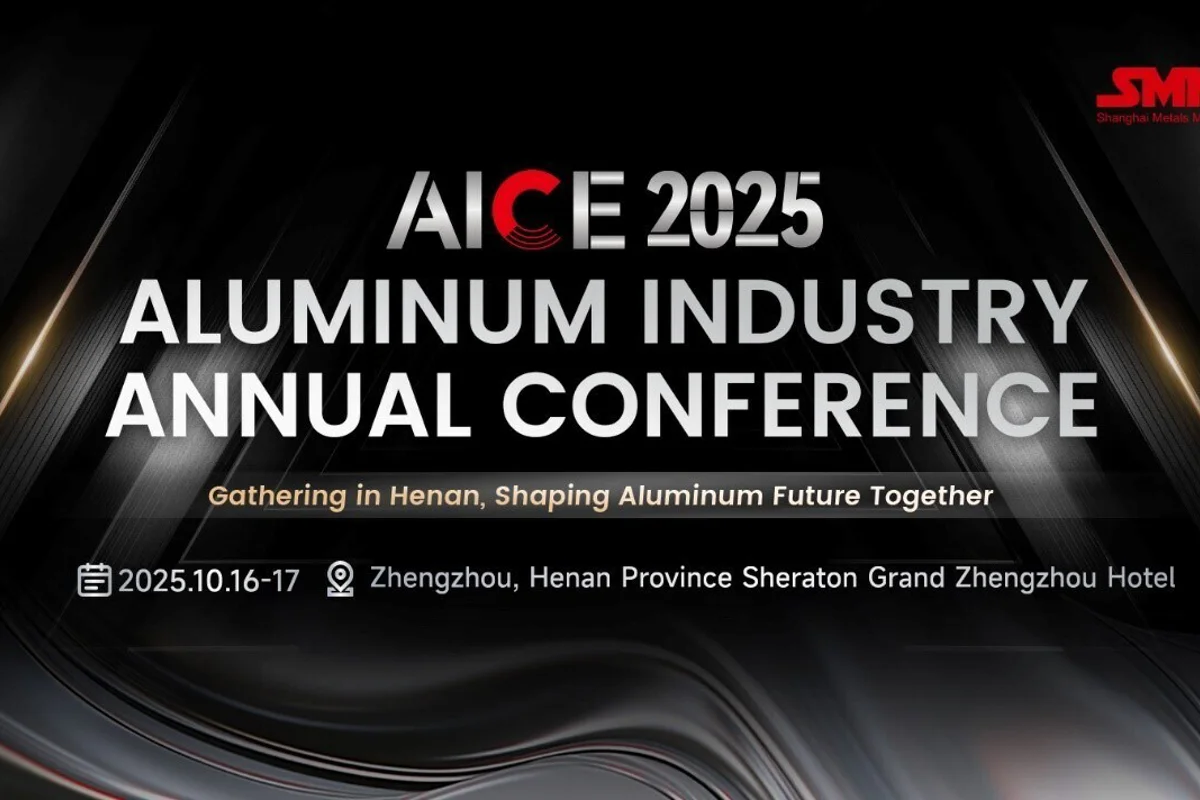
Key Takeaways from AICE 2025 SMM (14th) Aluminium Industry Annual Conference. On October 17, the AICE 2025 SMM (14th) Aluminium Industry Annual Conference, hosted by SMM Information & Technology Co., Ltd. (SMM), successfully concluded in Zhengzhou, Henan! On October 17, the AICE 2025 SMM (14th) Aluminium Industry Annual Conference, hosted by SMM Information & Technology Co., Ltd. (SMM), successfully concluded in Zhengzhou, Henan!
The conference brought together renowned experts, scholars, and prominent enterprise leaders from the global aluminium industry. They shared insights on hot topics including:
"Restructuring of the Global Bauxite Supply Chain: Resource Nationalism vs Multinational Capital Game"
"Analyzing the Impact of Bauxite Mining Policy Changes and New Alumina Capacity on Supply-Demand Balance and Prices"
"Navigating the New Reality: The Evolving Role of Private Mining Companies in Guinea's Bauxite Sector"
"Low-Carbon Aluminium Premium: Policy, Cost, and Global Competition"
"Reflections on Ensuring Industrial Security in China's Aluminium Industry"
"Opportunities in Global Bauxite Development and Investment in Alumina and Aluminium"
"Breakthrough and Reconstruction: Transformation of Aluminium Trade Models and Innovation in Processing Trade Practices Driven by Policies"
"Green and Low-Carbon Alumina Technology: Practices and Prospects"
"Review of China's Aluminium Industry in 2025 and Trend Outlook for 2026"
Leaving attendees greatly enriched!
Opening Addresses
Speakers:
Bo Zhou, Executive Vice President, SMM
Ruxi Li, Vice President, Henan Nonferrous Metals Industry Association
During the conference, SMM meticulously organised 3 panel sessions.
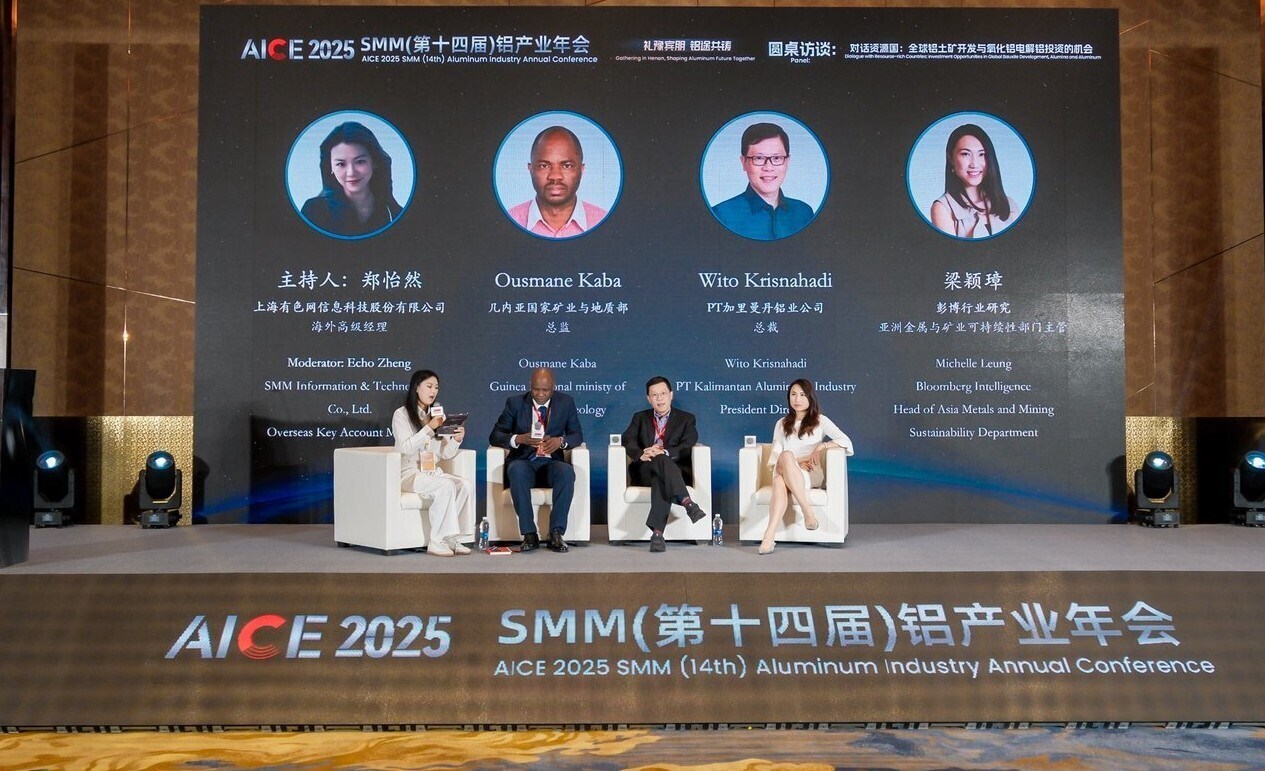
Dialogue with Resource-rich Countries: Investment Opportunities in Global Bauxite Development, Alumina and Aluminium.
Ousmane Kaba, Director of Guinea National ministy of Mines and Geology
Wito Krisnahadi, President Director, PT Kalimantan Aluminium Industry
Michelle Leung, Head of Asia Metals and Mining Sustainability Department, Bloomberg Intelligence
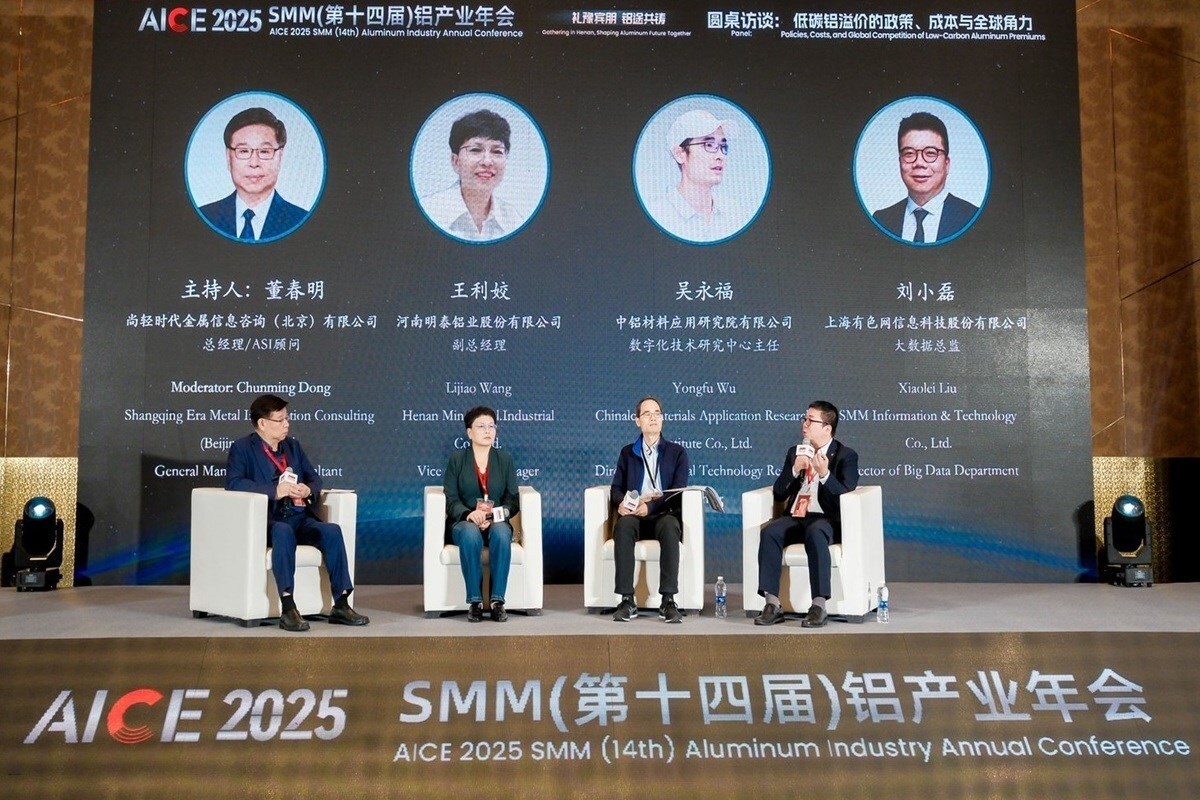
Low-Carbon Aluminium Premium: Policy, Cost, and Global Competition.
Lijiao Wang, Deputy General Manager, Henan Mingtai Aluminium Industry Co., Ltd.
Yongfu Wu, Director, Digital Technology Research Center, Chalco Materials Application Research Institute Co., Ltd.
Frank Liu, Big Data Director, SMM
Cost Dilemma and Peak Demand: Reflections on Ensuring Industrial Security in China's Aluminium Industry.
Guangfei Li, Deputy Party Secretary and General Manager, Chalco International Trading Group Co., Ltd.
Renjian Liu, General Manager, SPIC Aluminium International Trading Co., Ltd.
Yu Qian, General Manager, Henan Zhongfu Industrial Co., Ltd.
Dialogue with Resource-rich Countries: Investment Opportunities in Global Bauxite Development, Alumina and Aluminium
Moderator: Echo Zheng, Overseas Key Account Manager, SMM
Panelists:
Ousmane Kaba, Director of Guinea National ministy of Mines and Geology
Wito Krisnahadi, President Director at PT Kalimantan Aluminium Industry
Michelle Leung,Head of Asia Metals and Mining Sustainability Department at Bloomberg Intelligence
Low-Carbon Aluminium Premium: Policy, Cost, and Global Competition
Moderator:
Chunming Dong, General Manager, General Manager/ASI Consultant at Sunlight Metal
Panelists:
Lijiao Wang, Deputy General Manager, Henan Mingtai Aluminium Co., Ltd.
Yongfu Wu, Director, Digital Technology Research Center, Chalco Materials Application Research Institute Co., Ltd.
Frank Liu, Big Data Director, SMM
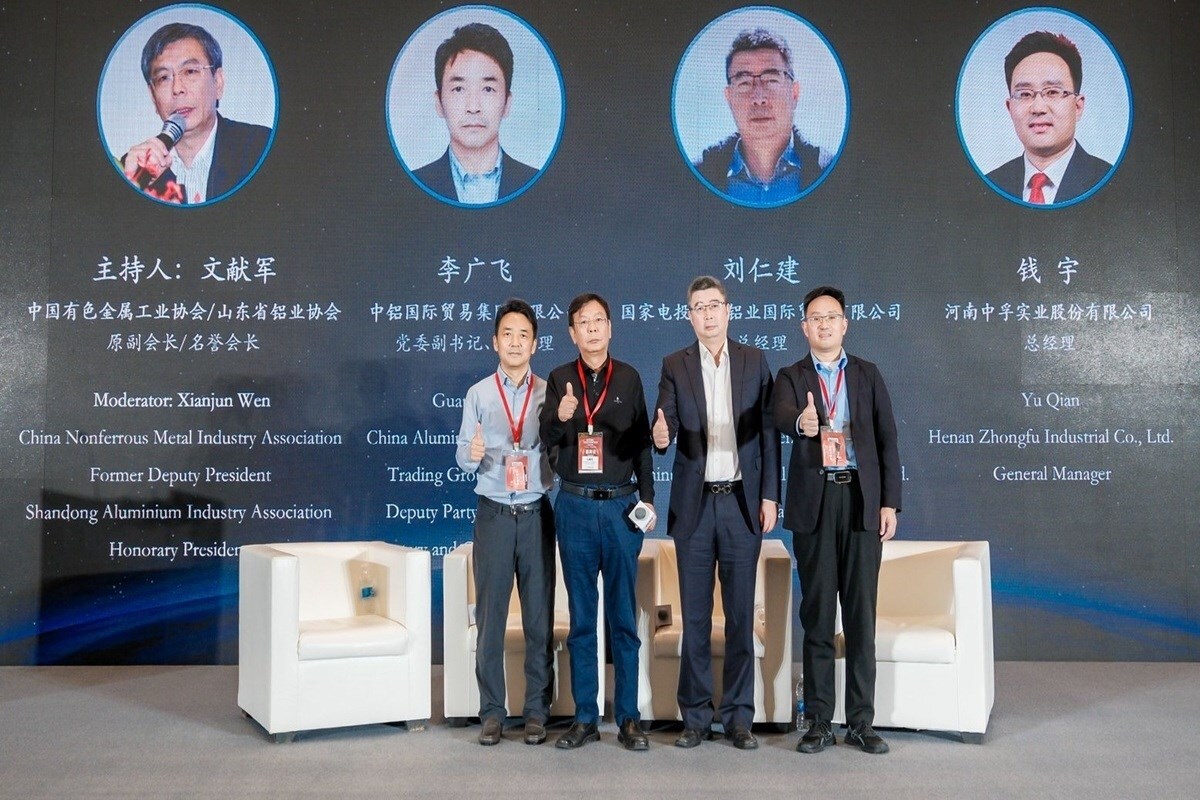
Cost Dilemma and Peak Demand: Reflections on Industrial Security in China's Aluminium Industry
Moderator:
Xianjun Wen, Former Deputy President, China Nonferrous Metal Industry Association; Honorary President, Shandong Aluminium Industry Association
Panelists:
Guangfei LiDeputy Party Committee Secretary and General Manager at China Aluminium International Trading Group Co., Ltd.
Renjian Liu,General Manager, State Power Investment Corporation Aluminium International Trading Co., Ltd.
Yu Qian,General Manager, Henan Zhongfu Industrial Co., Ltd.
Guest Speeches
In addition to the three panel sessions, SMM also invited dozens of guests to deliver insightful speeches.
Keynote: Restructuring of the Global Bauxite Supply Chain: Resource Nationalism vs Multinational Capital Game
Guest Speaker: Melvin Chin, Asia-Pacific Chief Research Analyst, Ifchor Galbraiths (IG Research)
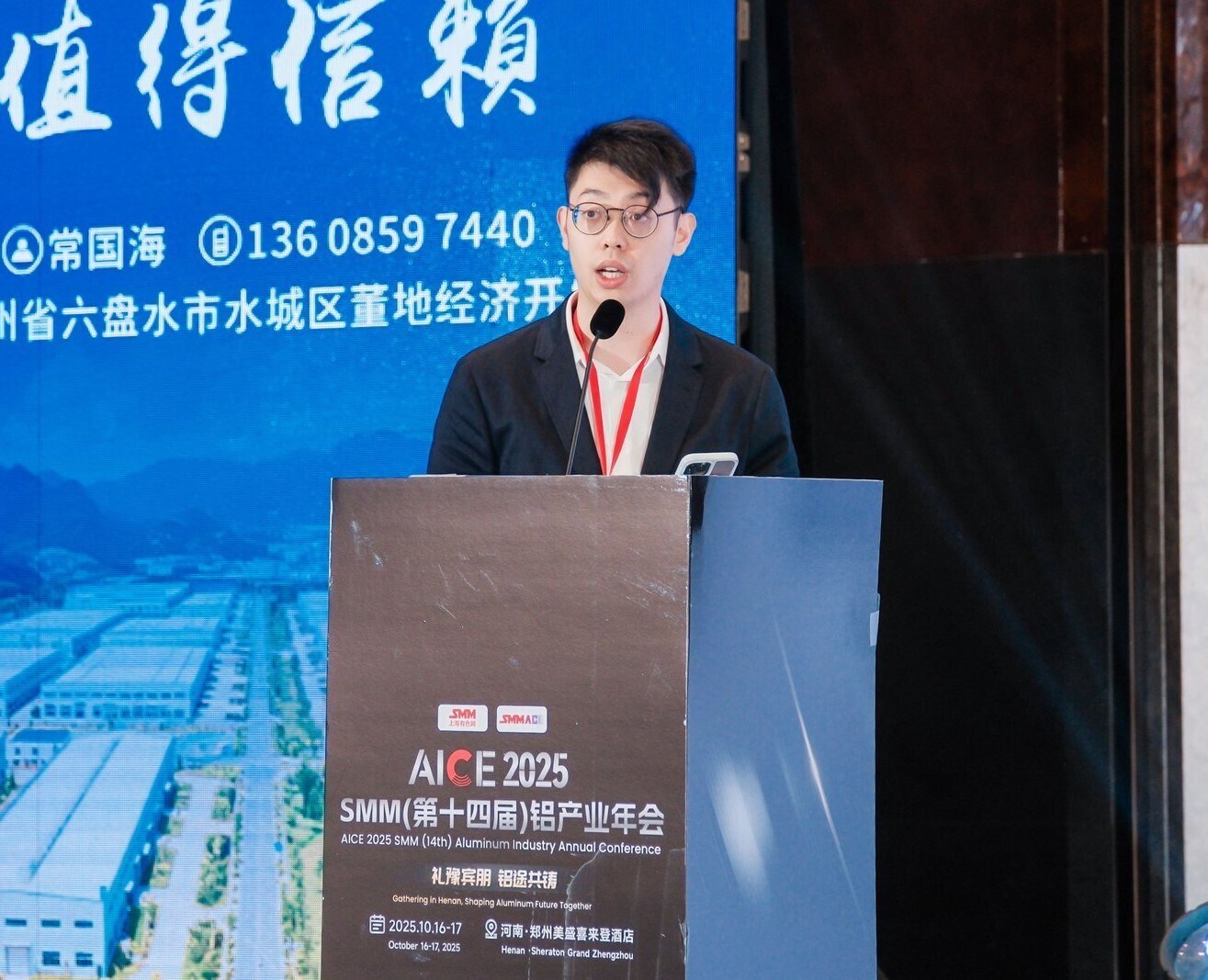
Keynote: Analyzing the Impact of Bauxite Mining Policy Changes and New Alumina Capacity on Supply-Demand Balance and Prices
Guest Speaker: Mingxin Guo, Senior Analyst, SMM
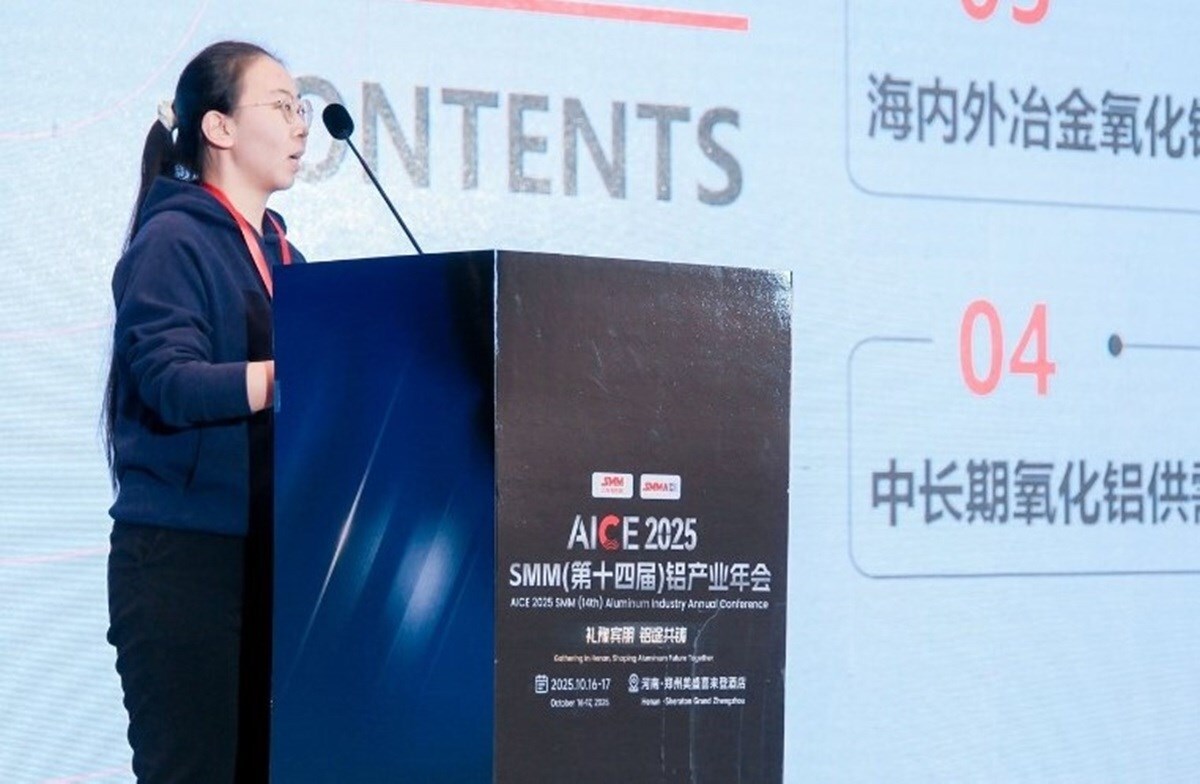
Mingxin Guo, SMM Senior Analyst, provided an in-depth analysis of the impact of mineral policy changes and new alumina capacity on the supply-demand balance and prices. When discussing the global alumina supply-demand balance trend and price movements, she stated that SMM expects China, as the world's largest producer and consumer of alumina, to see its alumina demand growth constrained by the compliance ceiling on aluminium capacity.
The current overcapacity situation in alumina continues.
In terms of new projects, global alumina capacity additions are projected to reach around 45 million mt by 2025 and beyond, while new aluminium capacity will be less than 10 million mt, indicating that demand growth will not keep pace with supply expansion.
Medium and long-term, alumina supply is expected to be relatively ample, with domestic and international alumina prices adjusting downward in tandem.
Against the backdrop of China's alumina import window remaining open, there is a possibility that China may gradually transition into a net importer of alumina, and alumina prices could remain under pressure.
Keynote: Navigating the New Reality: The Evolving Role of Private Mining Companies in Guinea's Bauxite Sector
Guest Speaker: Mamadou Cherif Ly, Managing Director, AISC Group
_0_0.jpg)
Keynote: Smart Energy, Zero-Carbon Aluminium—Trina Smart Energy Solutions Drive Zero-Carbon Development in the Aluminium Industry
Guest Speaker: Binbin Pan, China Distribution Technical Service Manager, TrinaSolar Co., Ltd.
_0_0.jpg)
Binbin Pan, China Distribution Technical Service Manager, TrinaSolar Co., Ltd., stated that China's aluminium processing industry is mainly concentrated in coastal areas and the central-western regions.
The coastal areas, with their developed economies, advanced metal processing technologies, and greater overseas trade opportunities, facilitate rapid development of the aluminium processing industry. Shandong Province leads with nearly 80,000 enterprises, the highest nationwide.
The central-western regions are relatively rich in bauxite resources and have a larger number of enterprises, with representative provinces including Hunan and Hubei.
Representative enterprises in China's aluminium processing industry by province mainly include:
Shandong—Nanshan Aluminium, Weiqiao Group; Henan—Mingtai Aluminium, Zhongfu Industrial; Guangdong—Xingfa Aluminium, Fenglu Aluminium; Xinjiang—Tianshan Aluminium, Shenhuo Aluminium; Guangxi—Nannan Aluminium, Hualei New Materials, etc.
In 2024, the top five regions by aluminium semis capacity were Shandong, Shanxi, Guangxi, Henan, and Guizhou.
Keynote: Breakthrough and Reconstruction: Transformation of Aluminium Trade Models and Innovation in Processing Trade Practices Driven by Policies
Guest Speaker: Keira Yu, Senior Manager of Copper and Aluminium Research, SMM
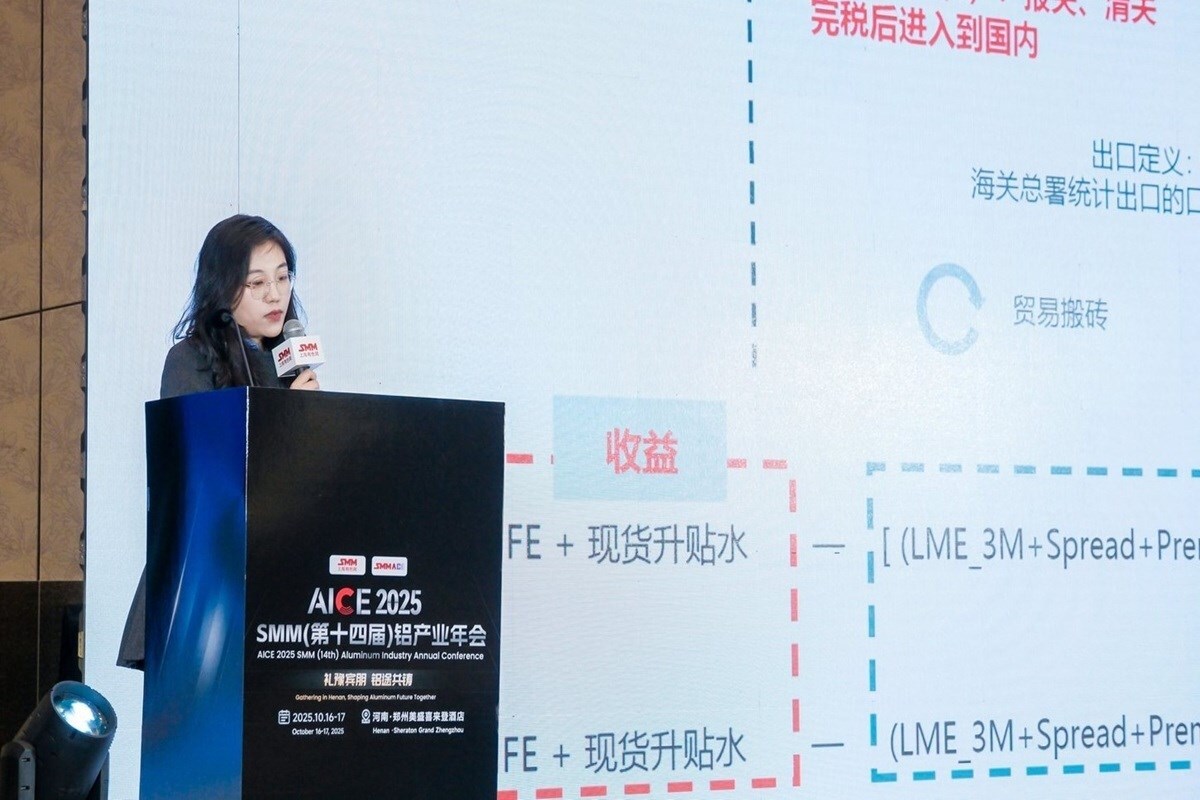
Keira Yu, Senior Manager of Copper and Aluminium Research at SMM, shared insights on the topic "Transformation of Aluminium Trade Models and Innovation in Processing Trade Practices Driven by Policies."
When discussing the global aluminium balance, she stated that SMM expects supply-side constraints in China, where aluminium production is limited by the compliance capacity "ceiling," with production growth projected to slow from 1.8% gradually to below 0.5%, and annual production approaching 45 million mt. Overseas production growth is relatively higher than in China, with Indonesia and India expected to be the main contributors to incremental overseas aluminium production.
On the demand side, China's aluminium consumption growth is projected to slow in the long term but still exceed supply growth, with attention to periodic opportunities in the SHFE/LME price ratio.
Overseas aluminium demand is expected to remain relatively robust, with local enterprises in North America offering more competitive advantages, driving further growth in primary aluminium demand. The Middle East, benefiting from active infrastructure investment, is expected to see steady growth in primary aluminium demand before 2030. In India, driven by sectors such as power, construction, and packaging, primary aluminium demand is projected to continue growing.
Keynote: Application Potential of Anode Surface Coating Technology in Aluminium Production and Pathways for Green, Low-Carbon Development
Guest Speaker: Guohai Chang, Chairman and Chief Engineer, Guizhou Jingyao Inorganic Materials Co., Ltd.
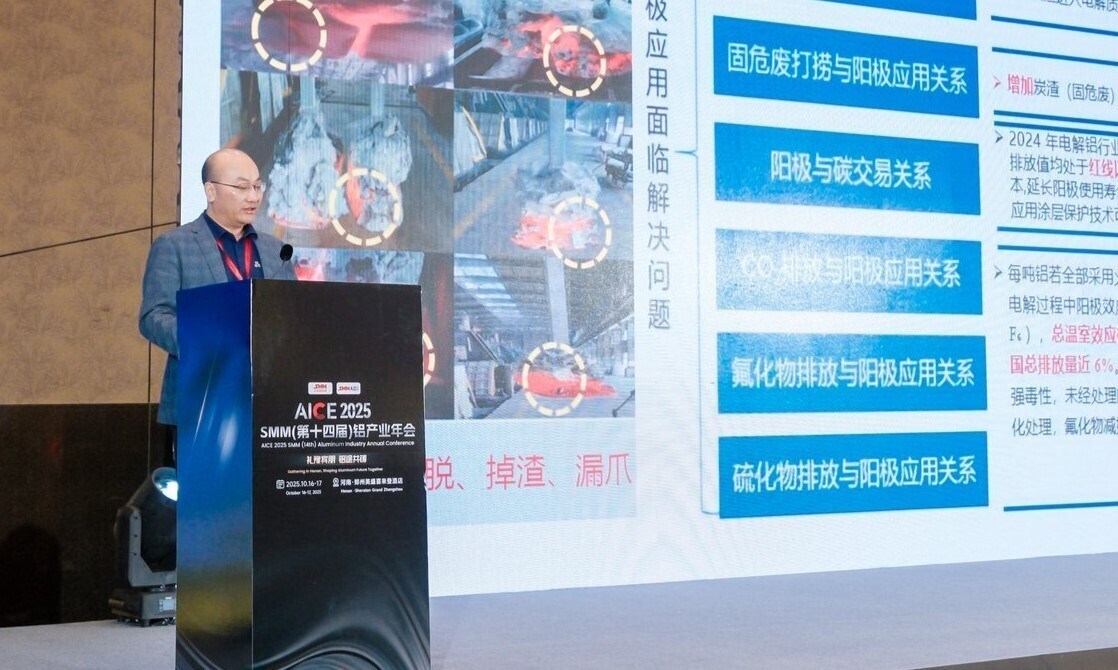
Guohai Chang, Chairman and Chief Engineer of Guizhou Jingyao Inorganic Materials Co., Ltd., while sharing on the topic "Application Potential of Anode Surface Coating Technology in Aluminium Production and Pathways for Green, Low-Carbon Development," stated that China accounts for over 60% of global aluminium production.
With the advancement of China's "dual carbon" goals, the aluminium industry is facing stringent energy consumption and emission restrictions, necessitating urgent upgrades to traditional production models. Coating protection technology can significantly reduce carbon electrode consumption and carbon emissions, thus, driven by policy, its market demand will continue to grow.
Keynote: Analysis of High-Iron Red Mud Smelting Technology
Guest Speaker: Hongjun Dong, Professor-Level Senior Engineer, Red Mud Comprehensive Utilization Technology Center, Chalco
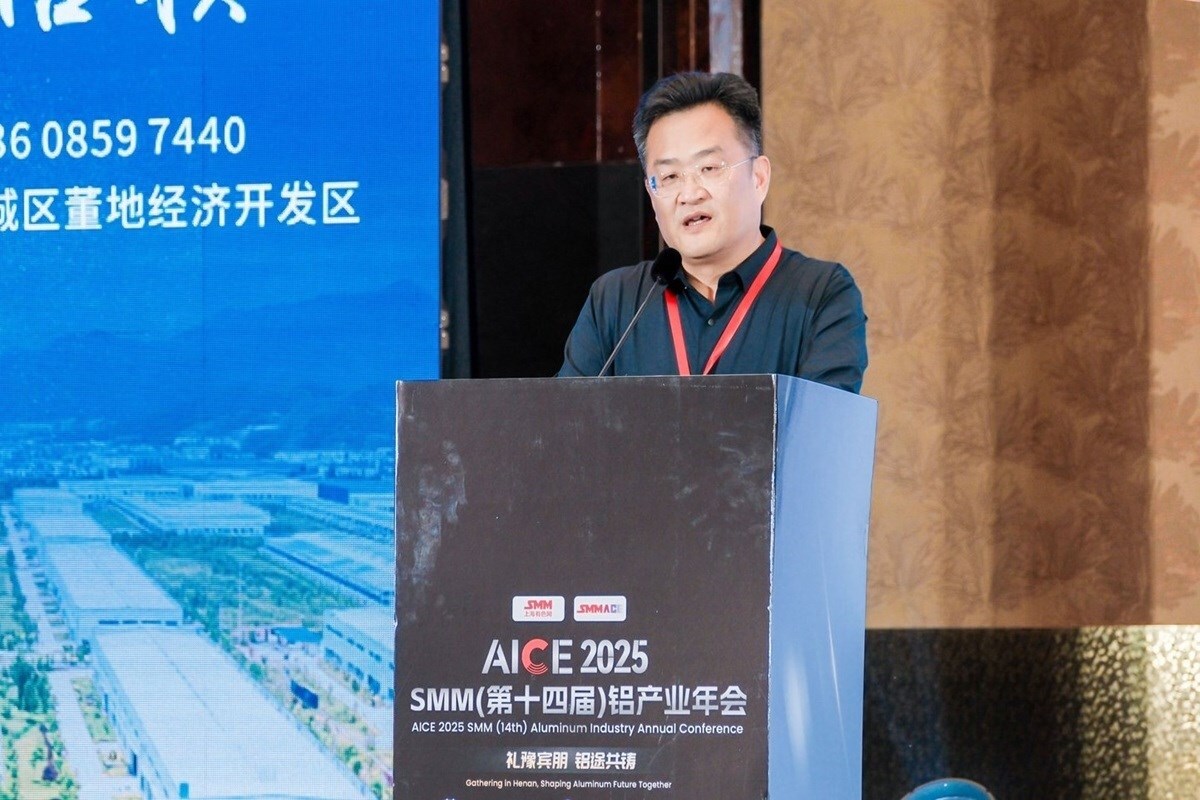
Hongjun Dong, Professor-Level Senior Engineer at Chalco's Red Mud Comprehensive Utilization Technology Center, shared an analysis report on high-iron red mud roasting technology.
After comparative analysis, he indicated that the blast furnace method/oxygen-enriched side-blown melting furnace has high energy consumption, with the blast furnace method having large capacity and the oxygen-enriched side-blown method having small capacity; the reducing agents both include coal gas and pulverized coal, investments vary, and the main challenges are insufficient coal gas recovery rate for the former and difficulty in reconstructing the slag type of high-alumina materials for the latter.
The characteristics of gas-based hydrogen reduction shaft furnace/rotary hearth furnace are:
Gas-based reduction shaft furnace has relatively low energy consumption, large capacity, uses hydrogen as the reducing agent, and is environmentally friendly, with an investment of approximately 1 billion for 1 million mt/year;
The rotary hearth furnace has relatively low energy consumption, large capacity, uses coal gas and pulverized coal as reducing agents, with an investment of 250–300 million for 250,000 mt/year, and the challenge lies in balancing the iron ore concentrate feed grade with economic feasibility.
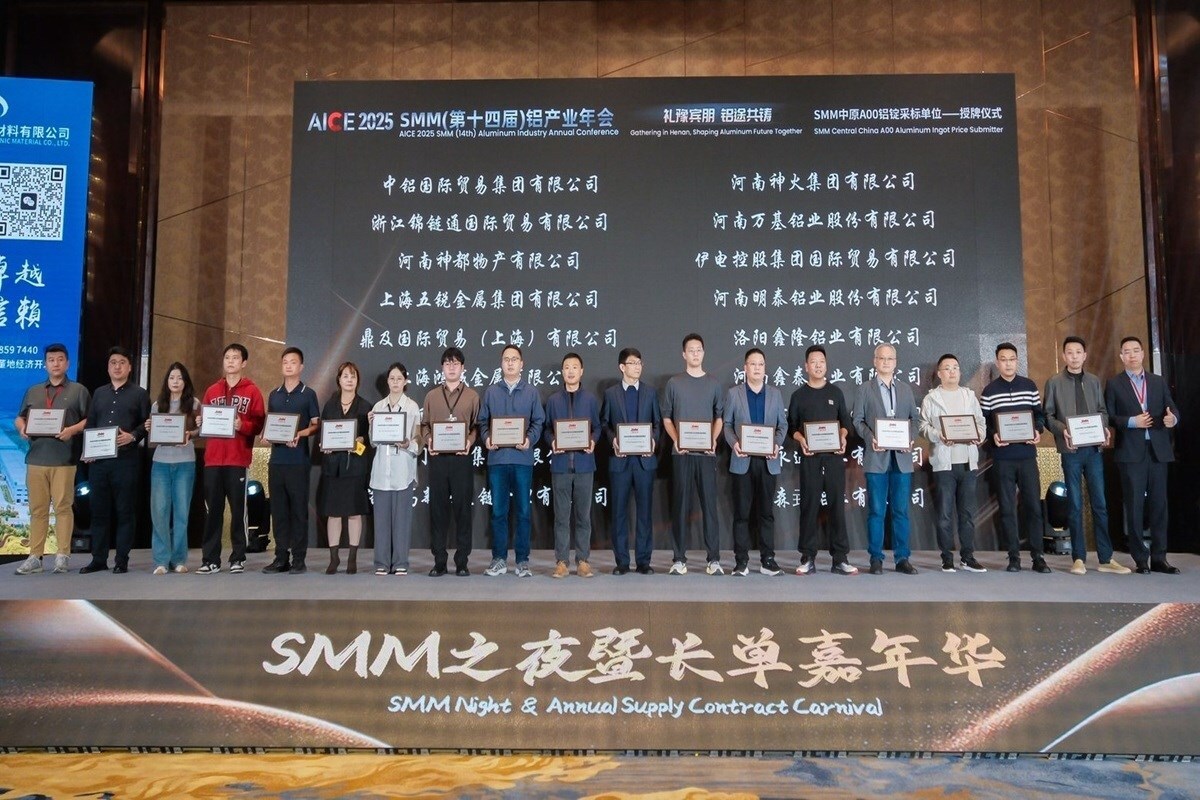
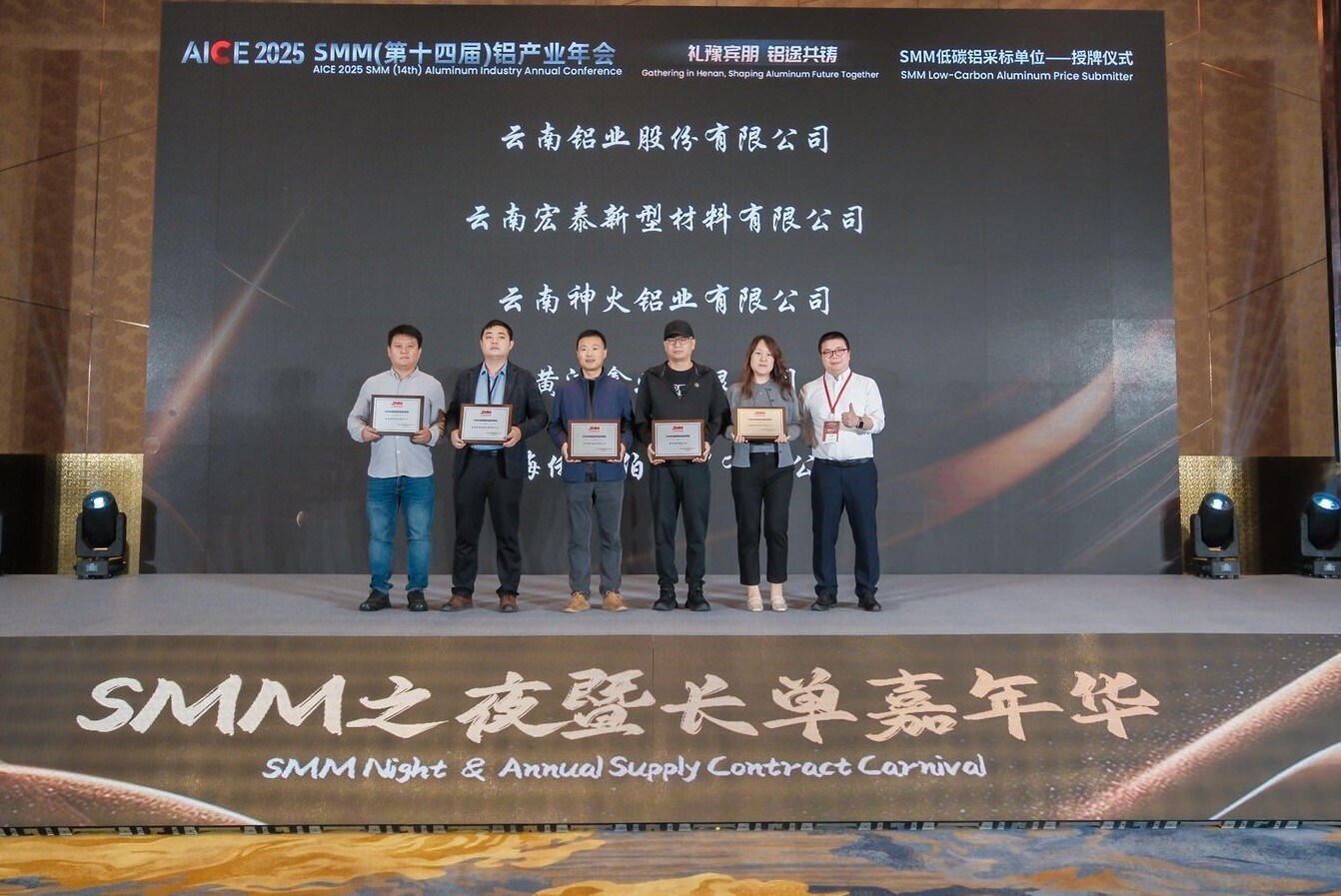
With this, the AICE 2025 SMM (14th) Aluminium Industry Annual Conference successfully concluded.
Thank you for the strong support from industry colleagues!
Note: This article has been issued by SMM and has been published by AL Circle with its original information without any modifications or edits to the core subject/data.

NALCO sees confidence in aluminium cycle, rules out divestment
Next articleNanshan Aluminium's Southeast Asian project reaches four million tonnes of annual output
Grow with
AL Circle