您想继续阅读英文文章还
是切换到中文?
是切换到中文?

THINK ALUMINIUM THINK AL CIRCLE

Futures: Overnight, the most-traded aluminium alloy 2603 futures contract opened, surged to RMB 23,230 per tonne, then quickly pulled back to hit a bottom of RMB 22,925 per tonne, before rebounding in fluctuations and finally closing at RMB 23,060 per tonne, up RMB 5 per tonne or 0.02per cent from the previous close. The K-value at 41.27 and D-value at 30.7 are in the neutral-to-low range, not yet entering overbought or oversold territory, showing signs of stabilising and rebounding in the short term. Open interest decreased by 210 to 9,249, accompanied by a price pullback, indicating reduced bear positions and a convergence of long-short divergence.
{alcircleadd}Basis daily report: According to SMM data, on January 27, the SMM ADC12 spot price showed a theoretical premium widening to RMB 1,100 per tonne against the closing price of the most-traded cast aluminium alloy contract (AD2603) at 10:15.
Warrant daily report: SHFE data showed that on January 27, the total registered warrant volume for cast aluminium alloy was 67,534 tonnes, an increase of 31 tonnes from the previous trading day. By region: Shanghai total registered volume was 4,513 tonne, unchanged; Guangdong total registered volume was 23,526 tonne, down 30 tonne; Jiangsu total registered volume was 10,998 tonne, down 30 tonne; Zhejiang total registered volume was 21,917 tonne, up 91 tonne; Chongqing total registered volume was 5,889 tonne, unchanged; Sichuan total registered volume was 691 tonne, unchanged.
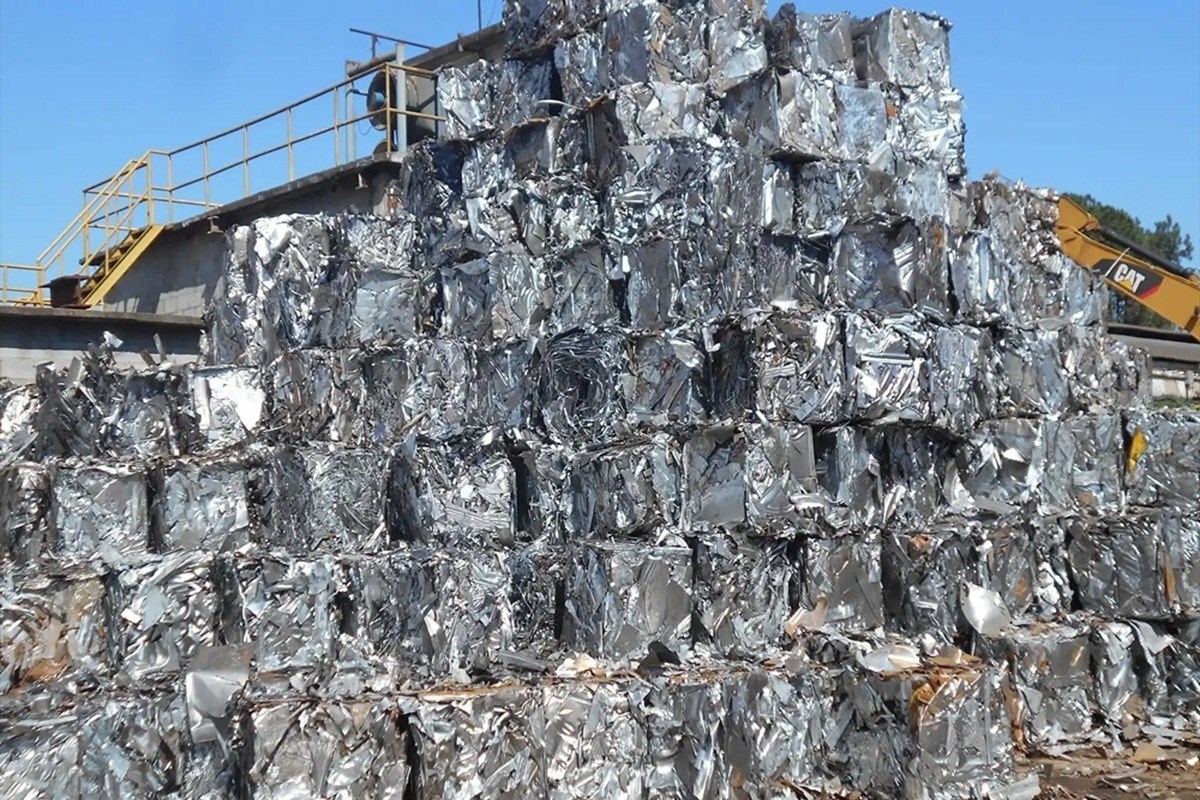
Aluminium scrap side: On Tuesday, spot primary aluminium prices fell compared to the previous trading day, with SMM A00 spot aluminium closing at RMB 23,870 per tonne. Aluminium scrap market prices generally followed the decline. Baled UBC scrap was mainly quoted between RMB 17,350-17,850 per tonne (tax excluded), shredded aluminium tense scrap (priced based on aluminium content) was mainly quoted between RMB 19,400-20,000 per tonne (tax excluded). Regarding the price difference between primary aluminium and scrap: On January 27, the price difference between A00 aluminium and mixed aluminium extrusion scrap free of paint in Foshan was RMB 3,445 per tonne, and the price difference between A00 aluminium and shredded aluminium tensile scrap was RMB 2,531 per tonne. Quotations in Henan, Foshan, Jiangxi, Anhui, and other regions followed the decline in aluminium prices.
Currently, with aluminium prices high, scrap aluminium is forced to follow the rise, creating a situation of "nominal prices without actual market." Downstream buying sentiment was dampened, leading to purchasing as needed. As the Chinese New Year approaches, enterprises are gradually entering holiday schedules; early holidays for scrap yards have reduced market liquidity, downstream operations remain sluggish, and resistance to high prices is strong. Close tracking of primary aluminium trends, weather changes, and pre-holiday production halts/holiday schedules is necessary, while being alert to the risk of a pullback from high levels.
Silicon metal side: Yesterday, SMM East China oxygen-blown #553 silicon was at RMB 9,200-9,300 per tonne, flat from the previous day; #441 silicon was at RMB 9,400-9,600 per tonne, up 50 per tonne from the previous day. On the futures side, during the week, the most-traded futures contract rose to a high of RMB 9,000 per tonne, and some silicon enterprises in the north increased shipments based on the spot-futures price spread for futures point pricing. In the spot market, the price centre for certain specifications of silicon saw a slight increase in downstream user procurement, while mainstream prices remained stable.
Overseas market: Current overseas ADC12 offers continue to hold steady at USD 2,850–2,880 per tonne, with import arbitrage profits hovering around RMB 300 per tonne.
Summary: On Tuesday, aluminium prices extended their decline, but secondary aluminium enterprises showed strong willingness to hold prices firm, with offers largely stable. Demand side, constrained by high prices and weak pre-holiday stockpiling momentum, downstream procurement was mainly driven by rigid demand, resulting in overall sluggish trading activity. Supply side faces multiple disruptions: expectations of adjustments in regional tax policies, enhanced compliance checks on reverse invoicing in some areas, logistics disruptions due to snowfall, and repeated environmental protection-driven production restrictions in regions like Central China, leading some enterprises to cut production or halt operations early for holidays.
The industry's operating rate is expected to show a downward trend in the short term. Overall, although high aluminium prices and seasonal off-season demand suppress market activity, cost-side support from aluminium scrap prices, coupled with supply tightness triggered by policy and environmental factors, is expected to keep secondary aluminium alloy prices fluctuating at highs in the near term. Subsequent focus should be on raw material circulation, changes in downstream operating rates, and the evolution of pre-holiday stockpiling sentiment.
Note: This article has been issued by SMM and has been published by AL Circle with its original information without any modifications or edits to the core subject/data.

Responses