您想继续阅读英文文章还
是切换到中文?
是切换到中文?

THINK ALUMINIUM THINK AL CIRCLE

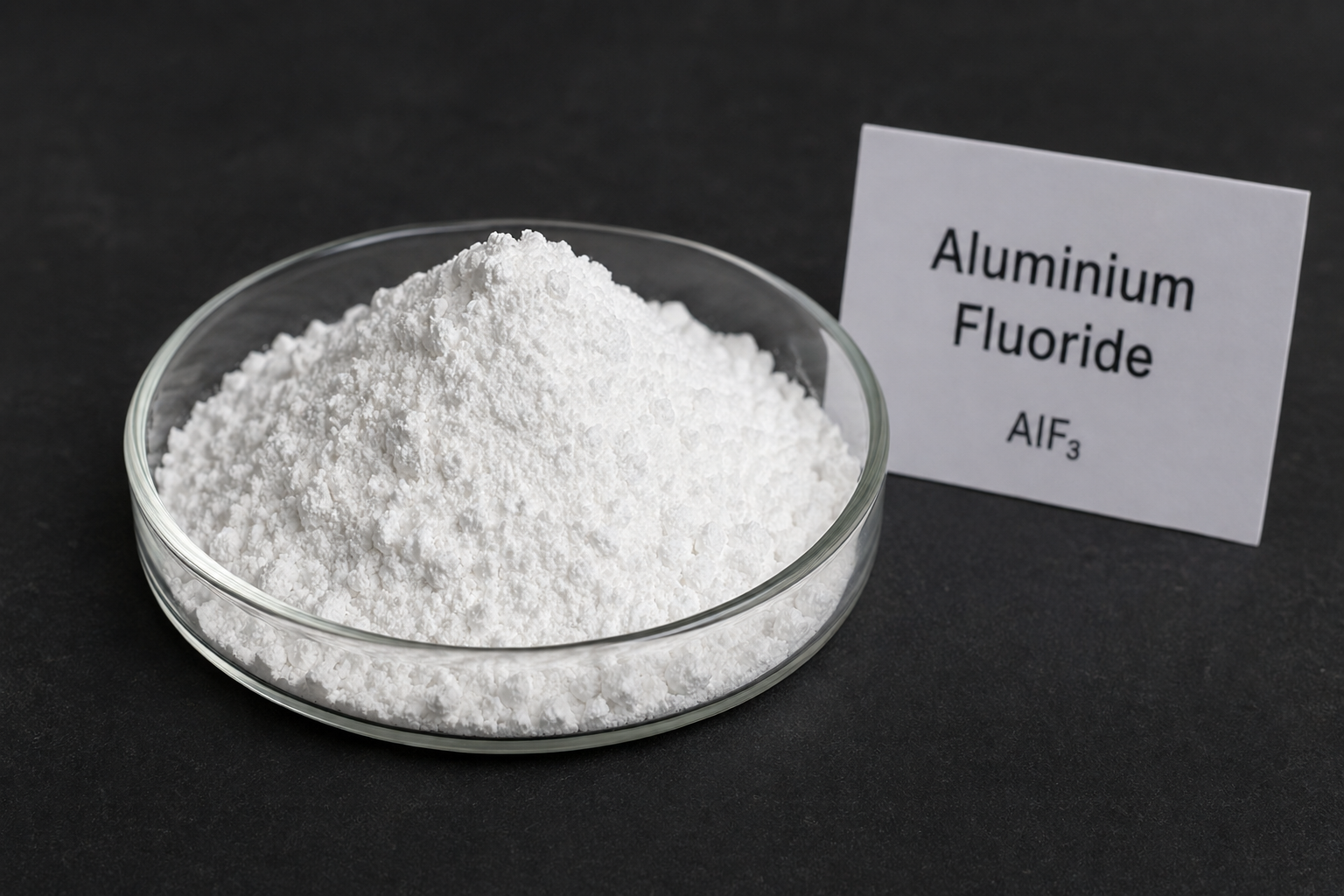
The image used in this article is generated with an AI tool and does not depict any real-time moment
This week, trading sentiment weakened somewhat for domestic aluminium fluoride enterprises, with prices running steady. As of now, SMM’s aluminium fluoride reference price is RMB 11,280-11,700 per tonne; cryolite prices also held steady, with SMM’s reference price at RMB 7,000-8,500 per tonne.
{alcircleadd}Raw material side, the 97 per cent fluorite wet powder market was largely stable, with mainstream delivery-to-factory prices at RMB 3,100-3,400 per tonne, and notable price spreads by region. Supply side, mine operating rates in the north continued to recover, and Mongolian imports gradually arrived at ports, resulting in a looser supply-demand pattern; however, a coal mine accident in Shanxi triggered expectations of stricter mine safety and environmental oversight, which may cause periodic disruptions to some mines’ production going forward, leaving a wait-and-see sentiment on the supply side.
Demand side remained subdued—downstream hydrofluoric acid enterprises, constrained by insufficient operating rates at refrigerant and fluoropolymer terminals, mainly made just-in-time procurement, with limited large-order follow-through. Consequently, fluorite prices are likely to stay weak in the near term.
Meanwhile, the aluminium hydroxide market firmed slightly, with SMM’s weighted average price at RMB 1,683 per tonne, up 1.2 per cent W-o-W; the sulphuric acid market hovered at highs, as sulphur cost support and production cuts for maintenance tightened supply in some regions, but cautious demand during the phosphate fertiliser off-season capped upside room, while LFP and fine chemicals provided just-in-time demand support.
Raw material side, both aluminium hydroxide and sulphuric acid strengthened, further lifting overall production costs, yet costs could not be effectively passed downstream, putting the industry as a whole under notable pressure.
Supply side, a pattern of ‘rigidly high costs—persistent profit pressure—low operating rates’ persisted, with the industry operating rate holding around 40 per cent, limiting effective incremental supply. Demand side, downstream operating aluminium capacity remained high and stable, providing rigid support, but aluminium smelters focused on just-in-time restocking and pushing for lower prices, adopting a wait-and-see stance without releasing additional demand for the time being.
On balance, the aluminium fluoride market currently lacks directional drivers, caught in a tug-of-war stalemate between upstream and downstream, with transactions limited to just-in-time procurement, and prices expected to largely stay steady in the near term, leaving limited room for wild swings. Going forward, close attention should be paid to raw material cost-side dynamics and marginal changes in the procurement pace of downstream aluminium enterprises.
Note: This article has been issued by SMM and has been published by AL Circle with its original information without any modifications or edits to the core subject/data.

Responses