您想继续阅读英文文章还
是切换到中文?
是切换到中文?

THINK ALUMINIUM THINK AL CIRCLE

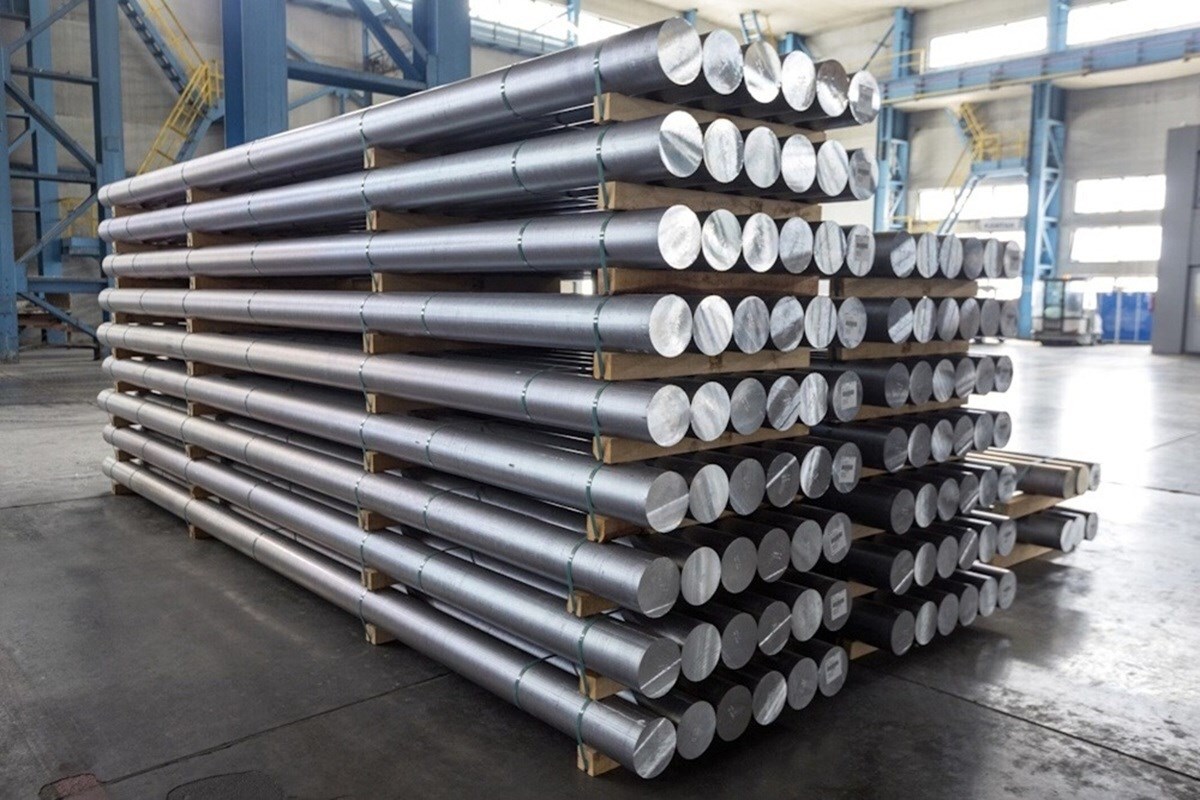
Reviewing the aluminium rod market in December, overall supply and demand improved, with processing fees bottoming out and returning to reasonable levels. According to SMM surveys, aluminium rod production totalled 323,800 tonnes in December, down 5.06 per cent M-O-M. On the supply side, production in the aluminium rod industry continued to decline in December, mainly due to weak downstream demand, leading plants to control in-factory inventories while partially halting production lines for maintenance.
{alcircleadd}Additionally, environmental protection-related controls in Henan disrupted continuous plant operations, insufficiently supporting operating rates. SMM believes that current aluminium rod processing fees have returned to reasonable levels, but downstream consumption lacks strong drivers, with purchases mainly for essential needs. Considering the approaching Chinese New Year, plants will manage inventory levels more rationally, production pace tends to slow down, and operating rates at aluminium rod plants are expected to continue declining in January.
According to SMM statistics, as of January 16, 2026, in-factory inventory days for domestic aluminium rod plants were 3.48 days, down 0.42 days M-O-M, with inventories continuing a weak downward trend. In terms of inventory ratio, the in-factory inventory ratio for domestic aluminium rod plants was 30.19 per cent, down 2.96 percentage points W-o-W.
During the week, aluminium prices fluctuated at historical highs, and downstream fear of high prices persisted, but essential demand led to passive acceptance of high-priced aluminium rods. Regarding processing fees, as of January 16, 2026, offers for aluminium rod processing fees in Jiangsu were concentrated at RMB 400-450 per tonne, in Hebei at RMB 300-350 per tonne, and in South China at RMB 300-500 per tonne. Processing fees returned to the following levels by region: Shandong at RMB 150-250 per tonne, Inner Mongolia at RMB 100-200 per tonne, and Henan at RMB 300-400 per tonne.
This week, the operating rate for aluminium wire and cable remained stable without significant fluctuations. The main reason for the change was that enterprises focused on digesting backlog orders after the New Year holiday, and power grid order matching progressed orderly, alleviating short-term production pressure. Currently, the cancellation of tax rebates for PV modules has not affected cable demand, with a limited short-term impact, but as overseas PV project installations materialise, overseas demand will gradually become apparent. Supported by subsequent orders, the operating rate is expected to see a slight recovery next week, but due to high aluminium prices and weak end-use demand, overall conditions will remain in the doldrums.
Note: This article has been issued by SMM and has been published by AL Circle with its original information without any modifications or edits to the core subject/data.

Responses