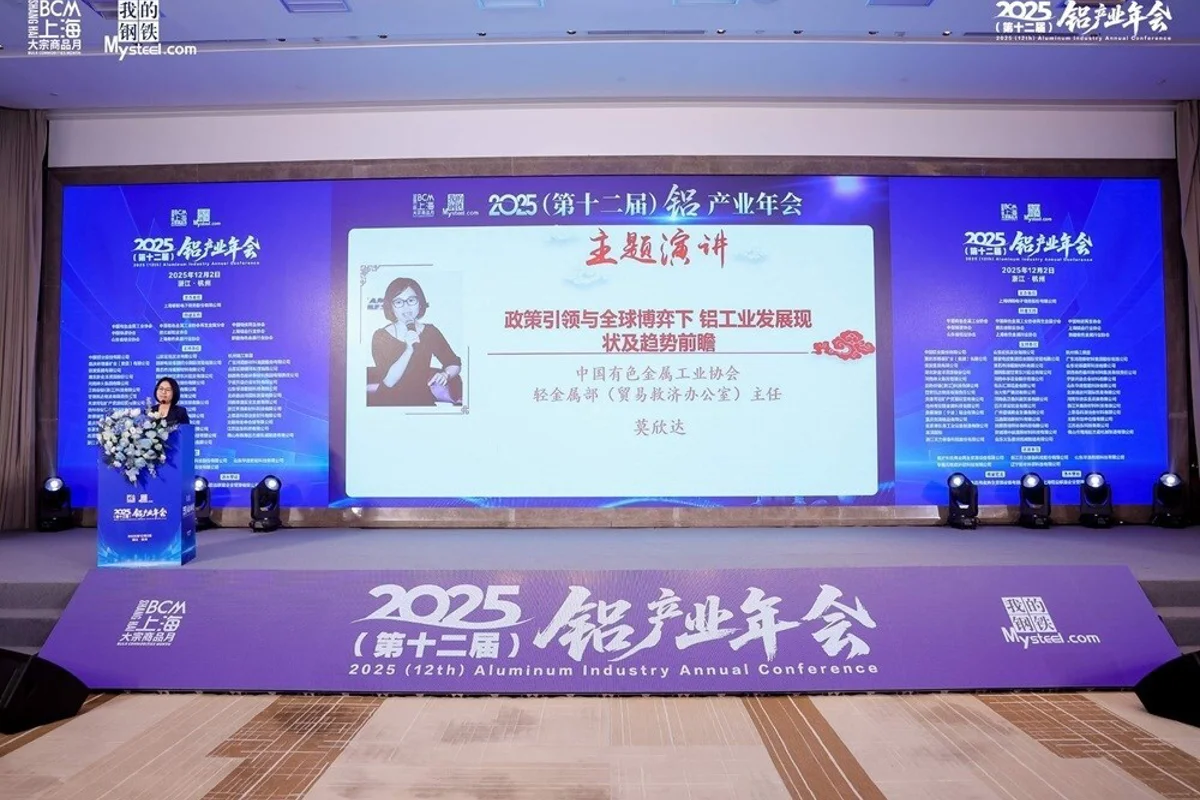
In recent years, Chinese aluminium companies have shown growing interest in expanding their footprint overseas, with several companies already operating plants, or planning to invest, in resource-rich countries such as Indonesia, Guinea, and Kazakhstan, Mo noted.
This "going global" strategy is primarily driven by aluminium companies' demand to get access to abundant raw materials such as bauxite. Additionally, some foreign governments have introduced policies requiring local processing of mineral resources rather than the direct export of raw ores, prompting Chinese firms to invest in overseas alumina refineries.
Explore- Most accurate data to drive business decisions with 50+ reports across the value chain
Notably, Chinese firms have already established approximately 7.65 million tonnes of alumina refining capacity abroad, Mo said. Of which, 6 million tonnes are located in Indonesia and 1.65 million tonnes in Jamaica.
Particularly, Chinese firms are building up their alumina refining capacity in Indonesia. For example, China's Nanshan Aluminum has commissioned 3 million tonnes/year of alumina capacity on Bintan Island in the first half of 2025. China Hongqiao Group operates 2 million t/y of alumina capacity through its joint venture, PT Well Harvest Winning Alumina Refinery, in West Kalimantan, where Hangzhou Jinjiang Group also commissioned a 1 million t/y alumina facility earlier this year.
In addition, more overseas alumina projects are under construction or in the planning stage. In Indonesia, Nanshan Aluminum is building an additional 1 million t/y alumina production line, and Tianshan Aluminum has proposed a 2 million t/y project. In Kazakhstan, East Hope Group plans to construct a 2 million t/y alumina refinery.
Chinese enterprises are also actively expanding primary aluminium capacity overseas. Chinese-funded projects account for more than 60 per cent of global primary aluminium capacity that is currently under construction or in the planning phase, according to Mo.
However, increasingly complex external conditions could pose uncertainties and challenges for Chinese aluminium enterprises operating abroad, Mo emphasised, citing the rising anti-globalisation sentiment, frequent trade disputes, compliance pressures related to carbon tariffs, etc.
Don't miss out- Buyers are looking for your products on our B2B platform
Note: This news is published under a content and exchange agreement with Mysteel