您想继续阅读英文文章还
是切换到中文?
是切换到中文?

THINK ALUMINIUM THINK AL CIRCLE

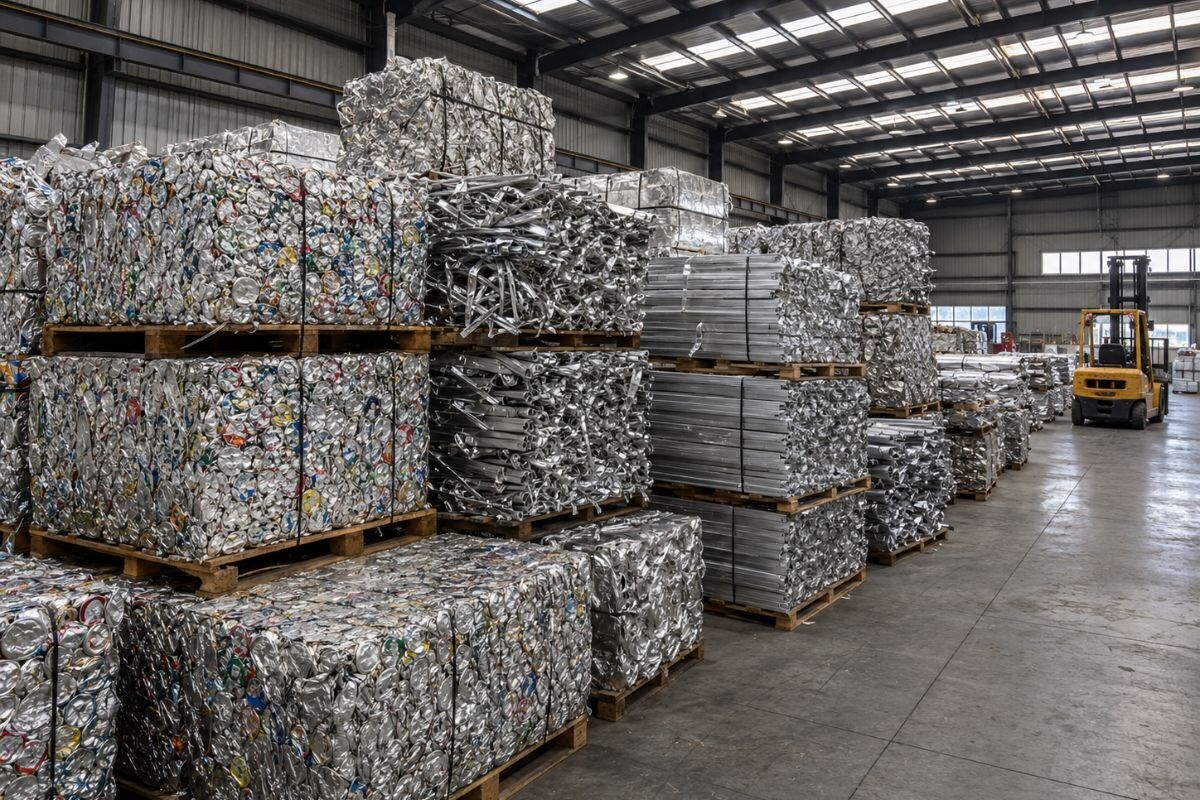
The image used in this article is generated with an AI tool and does not depict any real-time moment
June saw notable impacts on the secondary aluminium market from both lower primary aluminium prices and tighter scrap supply amid tax policy changes. The refined-to-scrap spread narrowed to RMB 412/tonne, a fresh year-to-date low, encouraging some consumers to replace scrap with A00 ingots. With ongoing tax inspections across regions, the spread is likely to narrow further.
{alcircleadd}Aluminium price
In June, China's aluminium prices pulled back after fluctuating at high levels, with the aluminium spot price trading in a range of RMB 23,800-24,330 per tonne. Since early June, prices have weakened in a sustained oscillation. The aluminium recyclers faced difficulty in restocking due to supply shortage, holding low inventories with most remaining stocks purchased at high prices, leading to reluctance to sell. As aluminium prices fell, secondary aluminium smelters actively sought to build inventories at lower levels, but tight aluminium scrap availability and elevated prices forced smelters to purchase aluminium scrap at high prices.
Supply constraints were exacerbated by tighter tax regulation. The rollout of the Golden Tax Phase IV system and implementation of the Value-Added Tax Law in 2026 have strengthened detection of disguised transactions, fictitious individual suppliers, and excessive "reverse invoicing"; non-compliant reverse invoicing has been blocked. Consequently, "reverse invoicing" has been suspended or strictly restricted in Hubei, Anhui, Jiangxi, and other provinces.
Refined-to-scrap spread
Due to aluminium scrap shortages in June, the refined-to-scrap spread continued to narrow. As of June 23, the price gap between A00 primary aluminium ingot and bright aluminium wire scrap stood at RMB 412 per tonne, near its lowest level of the year. With aluminium prices softening, circulation of bright aluminium wire scrap tightened and aluminium scrap prices remained stubbornly high.
Delve deeper into the recycled aluminium and secondary aluminium market with our World Recycled ALuminium Market Analysis Industry forecast to 2032
As the spread narrowed below the RMB 600 per tonne threshold (indicating aluminium scrap is relatively expensive and economically less attractive), some secondary aluminium producers began increasing the proportion of A00 ingot usage as a substitute for bright aluminium wire. (Note: A spread ≤ RMB 600 per tonne suggests considering A00 ingot over aluminium scrap; > RMB 600 per tonne favours aluminium scrap. Bright aluminium wire scrap has a 98 per cent recovery yield.)
Demand side
Secondary aluminium alloy ingots (ADC12)
Despite weaker primary aluminium, secondary aluminium alloy ingot prices rose counter-seasonally. In East China, ADC12 increased from RMB 23,200 per tonne to RMB 23,600 per tonne in June alongside broad production cuts. According to Mysteel surveys, with reverse invoicing largely suspended in many regions, alloy ingot producers can only source tax-invoiced aluminium scrap. Some plants that previously relied on imported aluminium scrap were unable to do so due to losses based on overseas aluminium scrap. The domestic tax-invoiced aluminium scrap in China, however, was both expensive and scarce.
Since May, numerous ADC12 smelters have cut output due to raw material shortages, with some halting production entirely. The smelters' June aluminium scrap procurement volumes and in-plant aluminium scrap inventories declined M-o-M. It is expected that more regions will suspend reverse invoicing, implying further expansion of alloy ingot production cuts.
Secondary aluminium bars
The secondary aluminium bar market remained broadly weak in June. Since Q2, scarce aluminium scrap supply and tepid downstream demand have forced many aluminium bar mills to curtail the production. Entering the traditional off-season in June, downstream profile mills slowed their offtake, mostly buying on dips. Falling prices of molten aluminium bars prompted some profile makers to switch from secondary bars to molten aluminium bars, further eroding demand for secondary bars. A near-term recovery appears unlikely.
Secondary aluminium plate, strip and foil
June marks the traditional low season, with notable divergence across segments, where orders for common plates and sheets were weak domestically due to sluggish construction demand. Export orders, however, remained robust. The suspension of reverse invoicing has had limited impact on plate/sheet/foil enterprises. As aluminium prices declined, plate/strip/foil mills showed stronger willingness to build inventories on dips.
Outlook
Going forward, ongoing nationwide tax inspections and likely broader restrictions on reverse invoicing will keep raw material shortages unresolved at alloy ingot plants, sustaining production cuts and making ADC12 prices prone to rise with limited downside. Accelerated aluminium price drop will further narrow the refined-to-scrap spread, prompting increased substitution of aluminium scrap with aluminium.
Secondary aluminium bars will remain under pressure from the traditional off-season and competition from molten aluminium bars, with limited demand recovery in the near term. The plate/strip/foil sector will continue its internal divergence. Large export margins and strong overseas orders will sustain export momentum, while mills actively restock on price dips.
Explore the position of aluminium at the intersection of sustainability and strategy in Sustainability & Recycling: Aluminium's Dual Commitment
Note: This news is published under a content and exchange agreement with Mysteel

Responses